

Now Reading: Gene-gun lettuce, tobacco yield meat protein myoglobin
-
01
Gene-gun lettuce, tobacco yield meat protein myoglobin



Scientists at Imperial College London have used a gene gun to insert pig and cattle myoglobin genes into lettuce and tobacco plants, achieving yields of up to 810 milligrams of the meat…
The Story in Brief
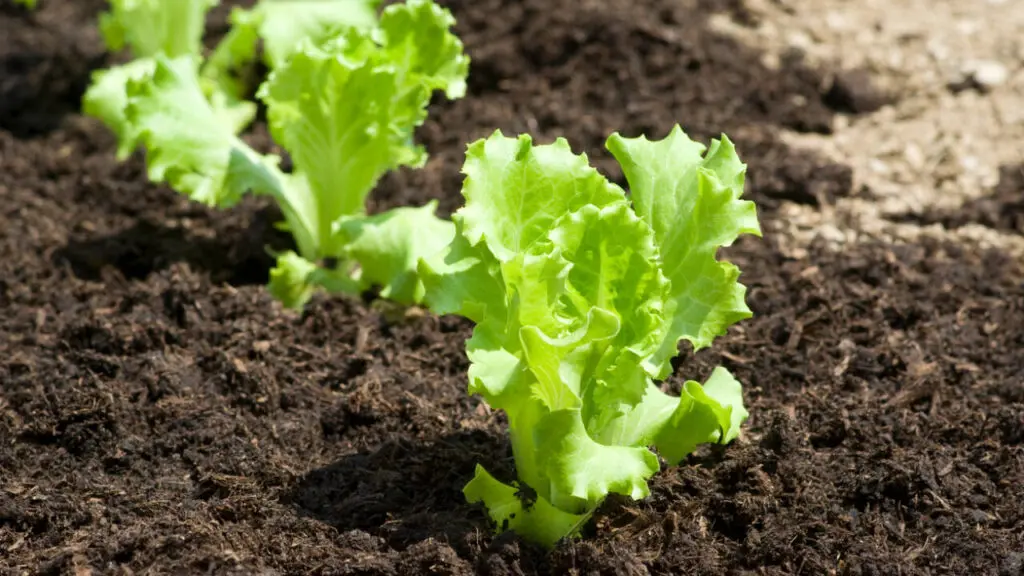
Scientists at Imperial College London have used a gene gun to insert pig and cattle myoglobin genes into lettuce and tobacco plants, achieving yields of up to 810 milligrams of the meat protein per kilogram of dry leaf. The findings, published in *Frontiers in Plant Science*, show that chloroplasts, the plant cell structures that carry out photosynthesis, produced three times more myoglobin than standard gene insertion into the plant's nuclear genome. Real meat contains roughly 8.1, 11.2 milligrams of myoglobin per gram of dry weight.
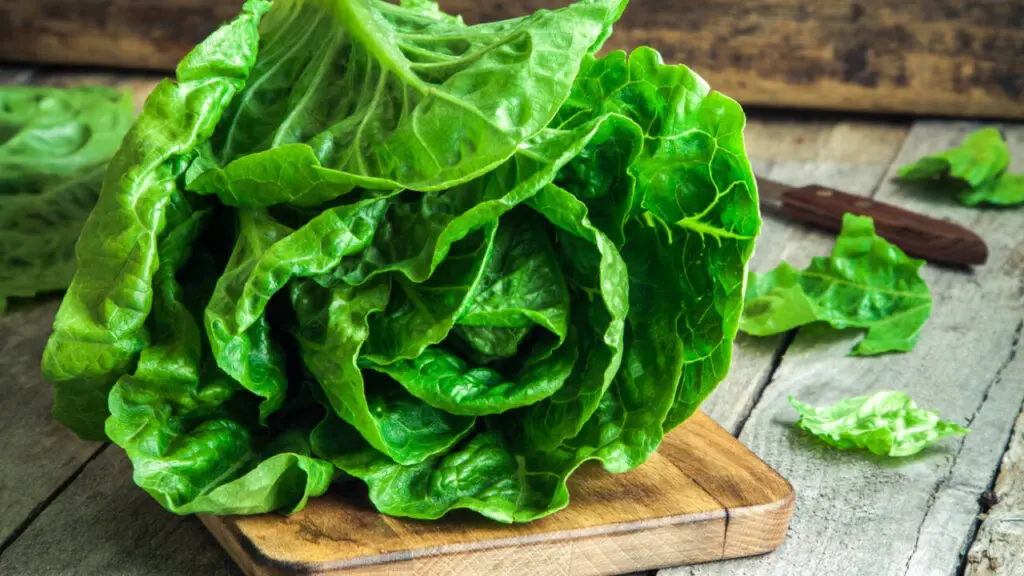
The global meat-alternative market is estimated at Rs 56,000, 68,000 crore (€6.7, 8.1 billion) and is projected to grow 8.1, 12.3 per cent annually over the next decade. The researchers describe the work as a proof of principle. Myoglobin gives meat its umami flavour and red colour. If the process can be scaled commercially, the purified protein could be added to plant-based meats or genetically engineered lettuce could itself be sold as an iron-enriched food, subject to regulatory approvals.
The Indian Opinion
This lab result is impressive but should not be mistaken for a ready dinner option. The popular narrative often swings between 'lab-grown meat will save the planet' and 'frankenfood will poison us.' Both positions ignore the enormous gap between a proof-of-principle yield of 0.08 per cent by dry weight and commercial viability. Land use and water savings mean little if extraction and purification costs remain high. The real test will be whether the technology can be scaled economically, and whether Indian regulators, who have yet to approve any gene-edited crop for sale, will ever allow a myoglobin-producing lettuce on the shelf.
Source: timesofindia.indiatimes.com
This story was synthesised by AI from the source linked above.
Updated: this story now draws on 1 sources.