












Now Reading: Seven high-risk glacial lakes threaten Tawang villages and Army camps
-
01
Seven high-risk glacial lakes threaten Tawang villages and Army camps


At least seven high-risk glacial lakes in the Mago Chu basin of Tawang district, Arunachal Pradesh, pose a flood threat to downstream villages and military camps, the Arunachal Pradesh State Disaster Management…
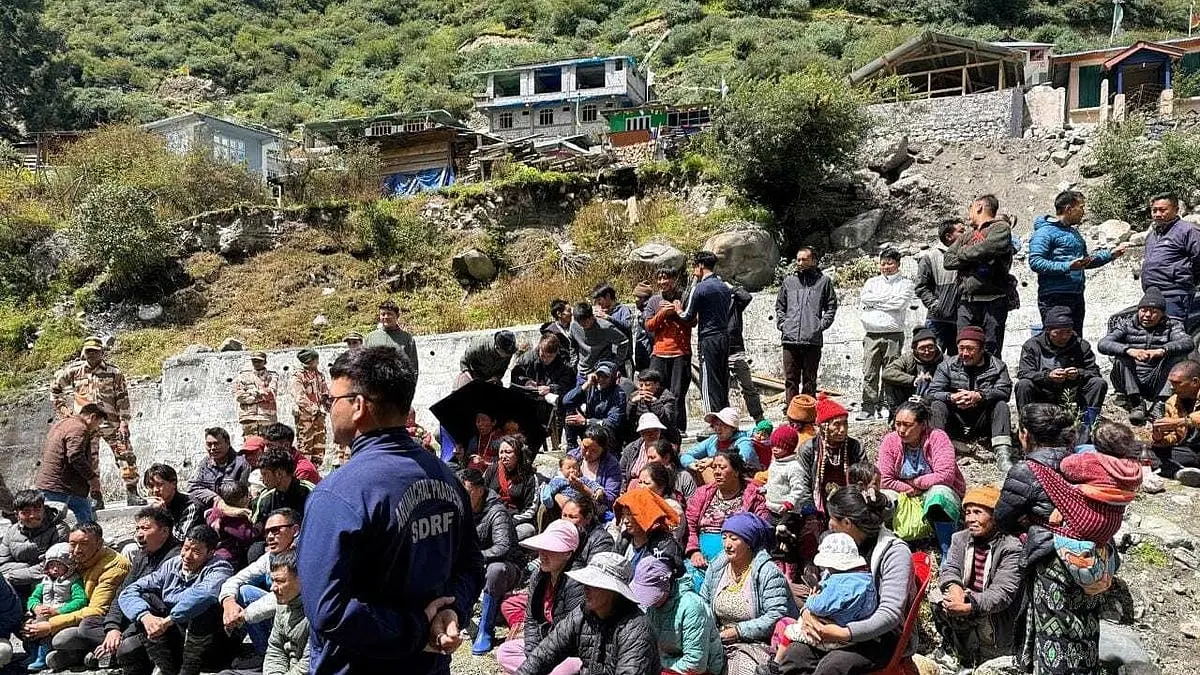
At least seven high-risk glacial lakes in the Mago Chu basin of Tawang district, Arunachal Pradesh, pose a flood threat to downstream villages and military camps, the Arunachal Pradesh State Disaster Management Authority (APSDMA) has warned. During a sensitisation drive launched at Mago village, authorities briefed residents and defence personnel on evacuation routes, safe locations, and community-level plans to minimise risk from a potential Glacial Lake Outburst Flood (GLOF).
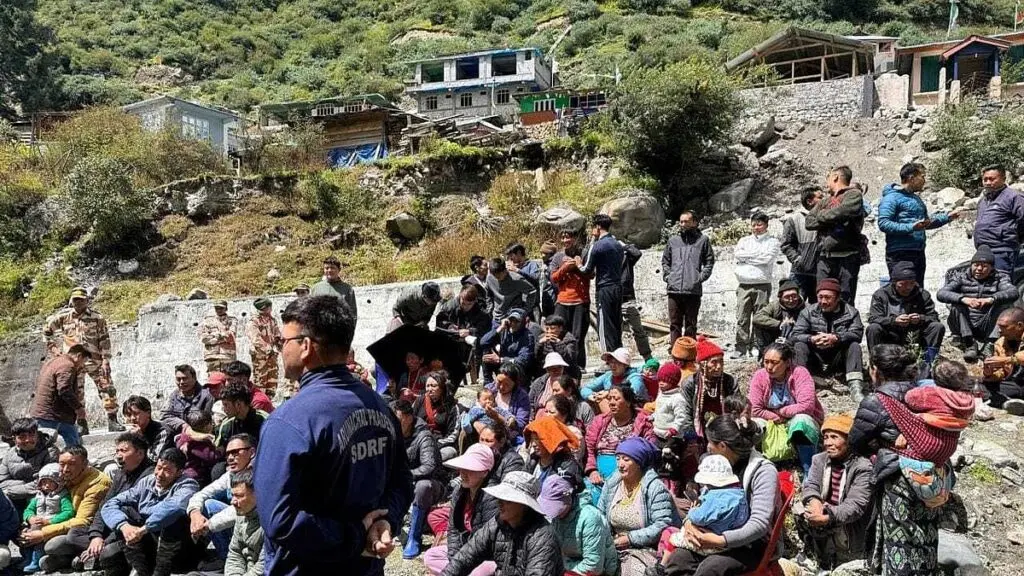
Deputy Director of APSDMA Dorjee Khandu said six of the seven lakes share a common drainage system passing through villages including Duri, which would be among the first settlements hit by floodwaters. He stressed the need for locally suitable early-warning mechanisms to ensure alerts reach every resident in time. Referring to recent devastating floods in Nepal, he urged vulnerable communities to remain prepared and gradually shift to safer locations where necessary.
The campaign has so far covered Mago village, Indian Army and Indo-Tibetan Border Police personnel at Mago, and residents of Thingbu Hydel area, New Maling and Tongsheng villages. It will be extended to other downstream settlements including Phonda, Chaksam, Grenkhar and Dungshengmang. At least five Army personnel died in a flash flood in Dibang Valley in August.
Indian Opinion Analysis
The Mago Chu basin lies close to the Line of Actual Control, where the Army maintains a significant presence. A GLOF here would threaten not only civilian lives but also military infrastructure critical to border security. The APSDMA's warning follows a pattern seen across the Himalayas: glacial lakes formed by retreating ice are growing in volume and number, with the state disaster authority having identified over 200 such lakes in Arunachal alone. The key variable is early warning: the district administration now has to convert awareness into functional alarm systems before the next monsoon, when most GLOF events occur. The Nepal floods that killed hundreds in October 2024 are the nearest recent precedent the state is trying to avoid.
Source: deccanherald.com
This brief was synthesised by AI from the source linked above.