













Now Reading: Sheikh Hasina vows return despite death penalty risk from enforced disappearance law
-
01
Sheikh Hasina vows return despite death penalty risk from enforced disappearance law

Sheikh Hasina vows return despite death penalty risk from enforced disappearance law

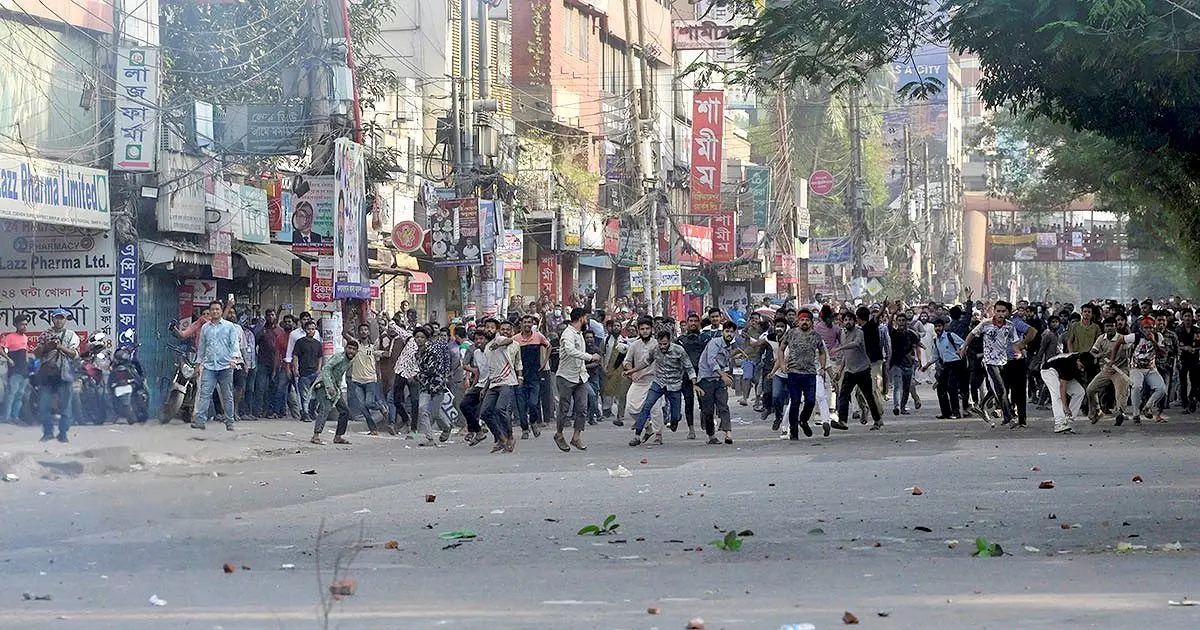
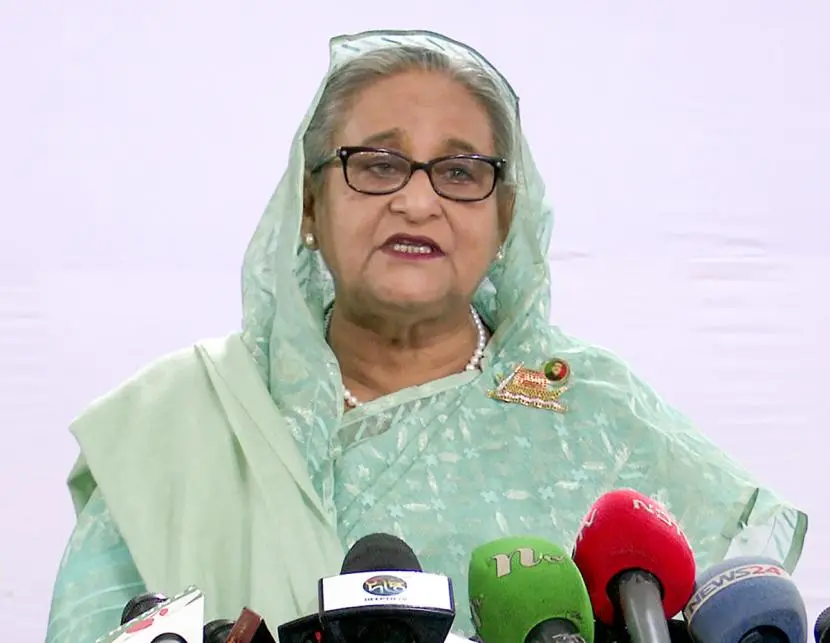
Deposed Bangladeshi prime minister Sheikh Hasina has broken nearly two years of silence with a virtual press conference from India, declaring her intent to return home despite facing a death sentence for…
The Story in Brief
Deposed Bangladeshi prime minister Sheikh Hasina has broken nearly two years of silence with a virtual press conference from India, declaring her intent to return home despite facing a death sentence for crimes against humanity. Her party, the Awami League, is barred from elections and most of its leadership is jailed or exiled. Bangladesh's interim government, led by Tarique Rahman of the BNP, has proposed a new Prevention and Remedies for Enforced Disappearance Act, prescribing the death penalty for such crimes. A commission recorded 1,569 enforced disappearances during Hasina’s 17-year rule, with 251 victims still missing. Hasina was convicted in absentia by a Dhaka court in 2025. Rights groups warn that political rivalries and weak law enforcement continue to drive violence. The student leaders who led the 2024 uprising against Hasina now express disillusionment, saying their July Uprising Declaration's goals remain unmet. Bangladesh's foreign ministry has protested Hasina's use of Indian soil for political activity.
The Indian Opinion
The narrative that Sheikh Hasina's return would spark immediate violence ignores how Bangladesh's young generation, disillusioned by unfulfilled promises of the July Uprising, may not rally behind old confrontations. A key test will be whether Tarique Rahman's government can hold free and fair elections under the new Prevention and Remedies for Enforced Disappearance Act, while credibly prosecuting past crimes without vengeful targeting.
Sources (2): rediff.com, thehindu.com
This story was synthesised by AI from the 2 sources linked above.
Updated: this story now draws on 2 sources.