













Now Reading: BRICS nations adopt Bhopal Declaration on cultural cooperation
-
01
BRICS nations adopt Bhopal Declaration on cultural cooperation


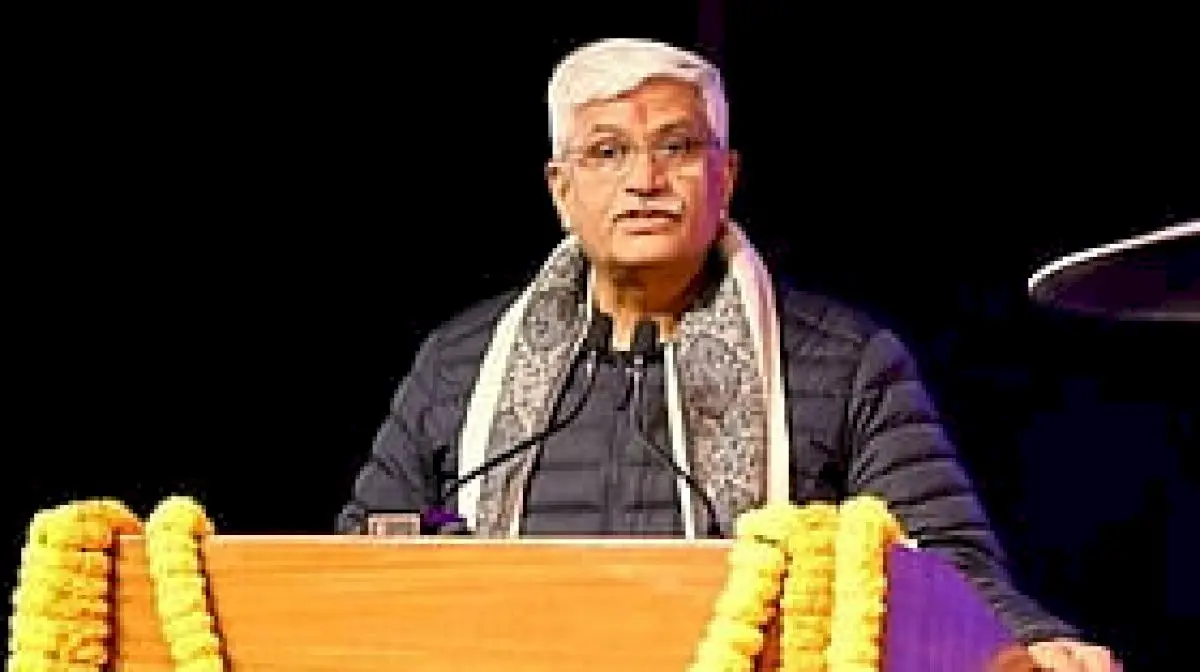
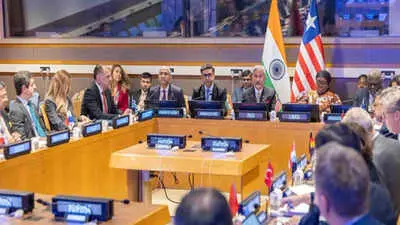
BRICS culture ministers adopted the Bhopal Declaration on Saturday at the 11th BRICS Culture Ministers' Meeting in Bhopal, Union Minister Gajendra Singh Shekhawat announced. The declaration aims to strengthen the institutional framework…
The Story in Brief
BRICS culture ministers adopted the Bhopal Declaration on Saturday at the 11th BRICS Culture Ministers' Meeting in Bhopal, Union Minister Gajendra Singh Shekhawat announced. The declaration aims to strengthen the institutional framework for cultural cooperation, covering heritage, creative industries, traditional knowledge and the use of AI in cultural governance.
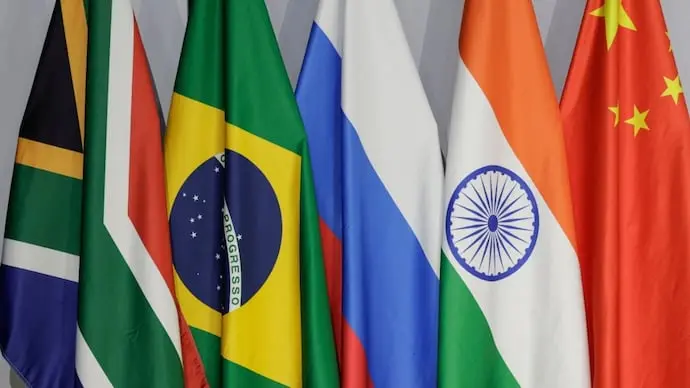
Shekhawat said the declaration includes cooperation on provenance research and restitution of cultural property, using AI-based tracing tools. It also seeks to enhance collaboration among museums, libraries and archives, and ensure fair remuneration for creators using copyright-protected works in AI systems. The meeting, attended by 55 delegates from 14 countries, including ministers from Indonesia, South Africa and the UAE, concluded the three-meeting consultation process under India's BRICS presidency. The previous evening, a cultural festival featuring the BRICS Peace Song was held at Ravindra Bhavan.
The Indian Opinion
The Bhopal Declaration is being sold as a triumph of shared values, but the real test will be whether it moves beyond rhetoric. India has pushed cultural soft power for years, yet BRICS remains a loose grouping with competing interests. The declaration's mention of AI-linked restitution and museum cooperation is concrete, but implementation depends on political will. Will member nations actually return artefacts or share tracing tools? Watch for the first follow-up working group meeting to see if pledges turn into action.
Sources (2): freepressjournal.in, indiatoday.in
This story was synthesised by AI from the 2 sources linked above.
Updated: this story now draws on 2 sources.