















Now Reading: Siberian moth outbreak fuels uncontrollable wildfires in Russia
-
01
Siberian moth outbreak fuels uncontrollable wildfires in Russia



The Siberian silk moth, Dendrolimus sibiricus, has killed millions of hectares of conifer forest in central Siberia by stripping needles over consecutive years, leaving dead trees standing that now fuel uncontrollable wildfires.…
The Story in Brief
The Siberian silk moth, Dendrolimus sibiricus, has killed millions of hectares of conifer forest in central Siberia by stripping needles over consecutive years, leaving dead trees standing that now fuel uncontrollable wildfires. In Krasnoyarsk, fire crews say moth-killed timber is a major factor in how fast this year's fires spread, alongside high temperatures. A study of satellite data from 2016 to 2020 documented the moth damaging 428,600 hectares in the Yenisei district alone from 2015 to 2018. Russian records show outbreaks have destroyed at least 4 million hectares over 90 years from 1855 to 1945. The outbreaks recur every 10 to 11 years, but the deadwood they leave behind persists for years, linking an insect event to a fire emergency.
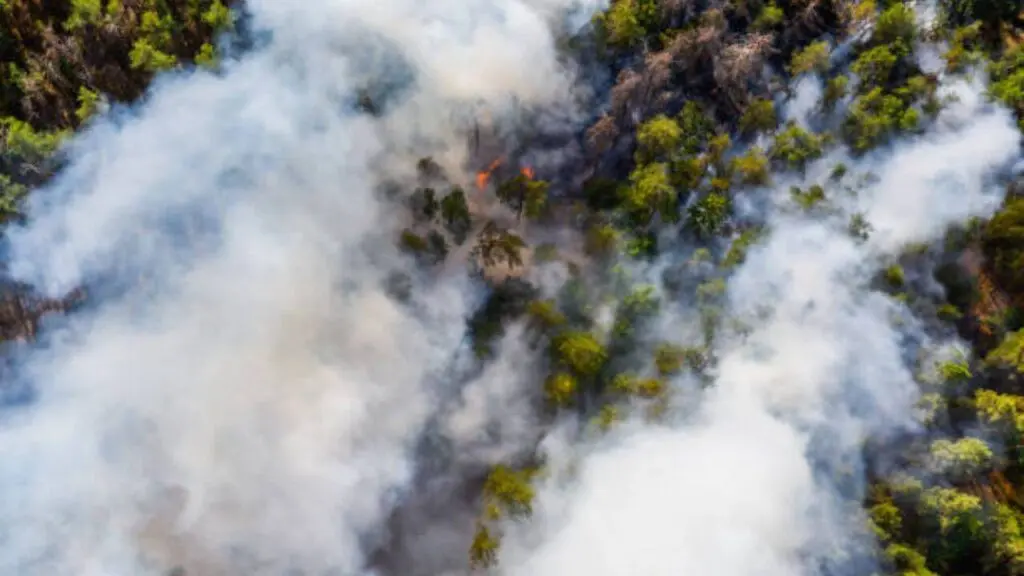
The moth's caterpillars eat needles, not wood, and a tree surviving one needle loss often dies after consecutive attacks. The gap in time and visibility between the outbreak and the fire season makes it easy to overlook the connection. Fire agencies fighting the current Krasnoyarsk fires have been explicit that moth-killed deadwood is a major factor in how fast this year's fires have spread, alongside the high temperatures driving the season generally.
The Indian Opinion
Those who blame only climate change for Siberia's fires miss the moth-killed deadwood that makes forests burn faster. The real test is whether Russia will invest in early detection of Dendrolimus sibiricus outbreaks across the region's vast taiga. Are fire agencies ready for the next outbreak cycle in a decade?
Source: timesofindia.indiatimes.com
This story was synthesised by AI from the source linked above.