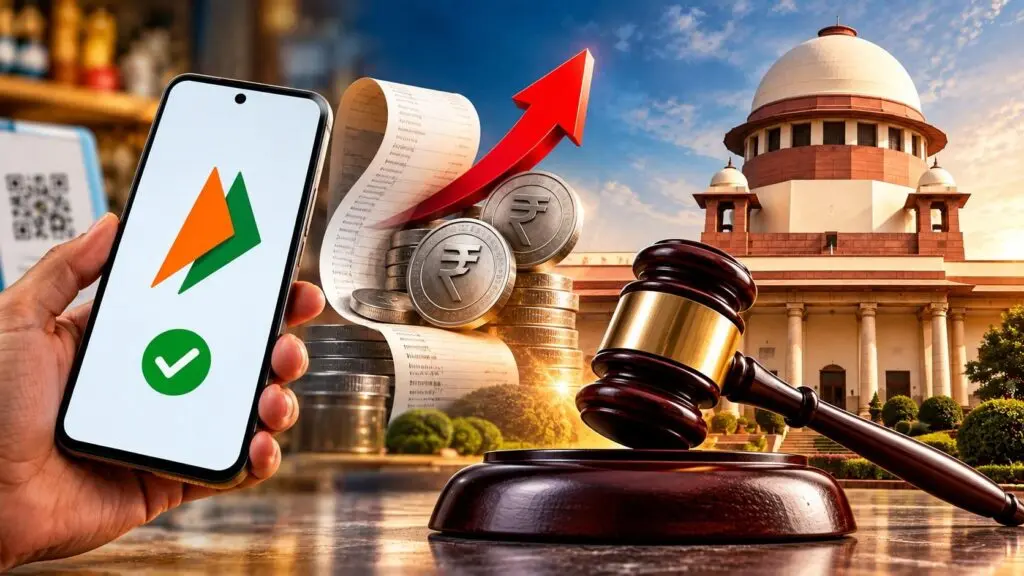













Now Reading: Lok Sabha Passes Bill Clearing Path For Possible UPI MDR
-
01
Lok Sabha Passes Bill Clearing Path For Possible UPI MDR



The Lok Sabha on August 6 passed the Taxation and Other Laws (Amendment) Bill, 2026, allowing the government to later modify the zero-MDR framework for UPI and RuPay transactions. The Bill now…
The Story in Brief
The Lok Sabha on August 6 passed the Taxation and Other Laws (Amendment) Bill, 2026, allowing the government to later modify the zero-MDR framework for UPI and RuPay transactions. The Bill now goes to the Rajya Sabha. Finance Minister Nirmala Sitharaman said MDR applies to merchants, not customers, and that no rate has been decided. She said an NPCI-headed committee will consider MDR after Parliament passes the legislation.
Inc42 reports that UPI transactions reached 23.66 billion in July, worth Rs 29.88 lakh crore. It also cited expectations of a 0.25% to 0.4% MDR on business transactions above Rs 2,000, while peer-to-peer payments may remain exempt. RBI Governor Sanjay Malhotra said consumers ultimately pay transaction costs in some form.
The Indian Opinion
The loudest claims are already too certain. Congress has treated a possible merchant charge as a confirmed fee for every UPI user, while the government presents merchant-only MDR as cost-free for the public. Neither position settles who bears the cost in practice. The Bill creates permission, not a rate. The useful test is the final notification: its percentage, transaction threshold, exemptions and whether merchants pass the charge to customers.
Sources (3): ndtvprofit.com, rediff.com, inc42.com
This story was synthesised by AI from the 3 sources linked above.
Updated: this story now draws on 3 sources.