











Now Reading: Study finds six-in-one vaccine could streamline India’s immunisation programme
-
01
Study finds six-in-one vaccine could streamline India’s immunisation programme

Study finds six-in-one vaccine could streamline India’s immunisation programme

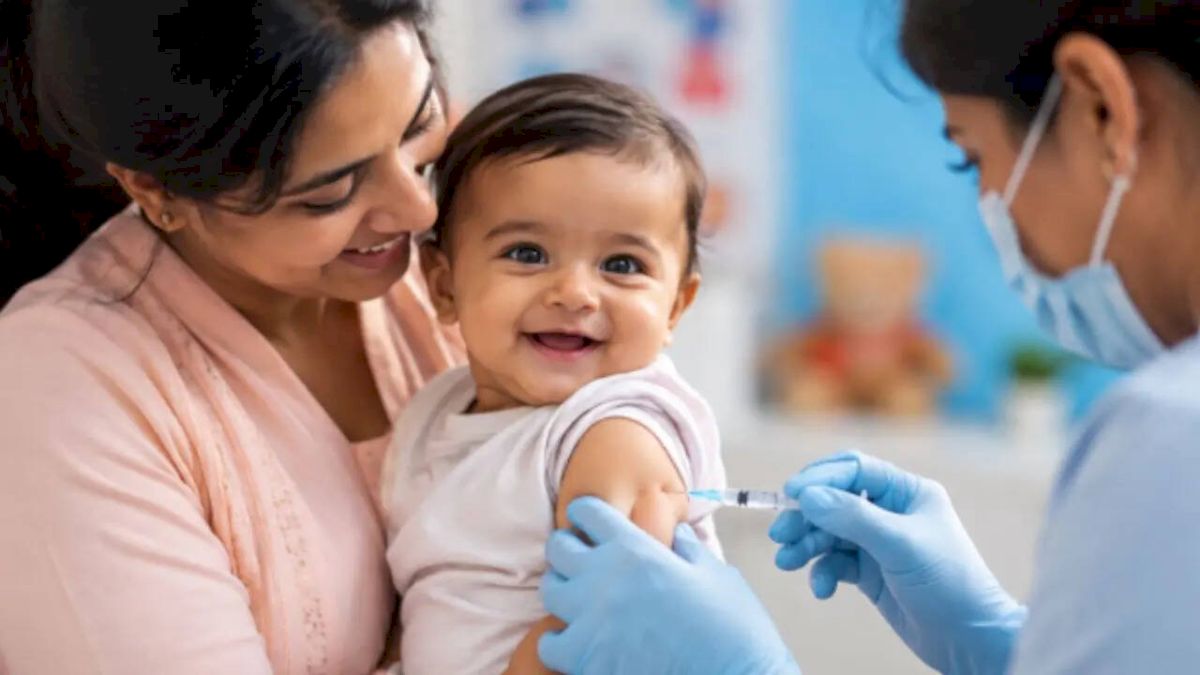
A peer-reviewed study published in Human Vaccines & Immunotherapeutics says adding a hexavalent vaccine to India’s Universal Immunisation Programme could reduce injections for infants and ease pressure on health workers and caregivers.…
The Story in Brief
A peer-reviewed study published in Human Vaccines & Immunotherapeutics says adding a hexavalent vaccine to India’s Universal Immunisation Programme could reduce injections for infants and ease pressure on health workers and caregivers. The vaccine protects against diphtheria, tetanus, pertussis, hepatitis B, Hib and polio in one shot. Nearly 26 million Indian babies receive vaccinations each year.
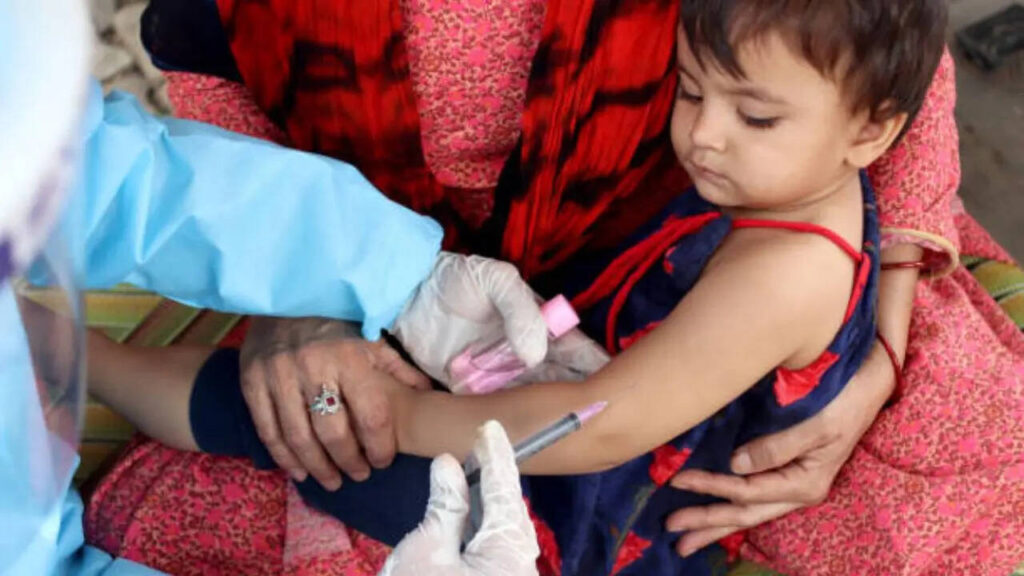
Researchers assessed replacing pentavalent and fractional IPV doses, with a separate scenario covering the DTP booster. The vaccine would reduce syringe use, cold-chain needs and staff time, but its higher purchase price remains the main barrier. The study estimates that a 50% price reduction could make logistics and operational savings exceed the additional acquisition cost.
The Indian Opinion
The claim that fewer injections alone justify an immediate nationwide switch is too simple. Equally, treating the higher upfront price as proof that the vaccine is unaffordable ignores savings in supplies, storage and staff time. The practical test is whether procurement can bring the price down by 50% while maintaining reliable supply and safety standards.
Sources (2): timesnownews.com, thehindu.com
This story was synthesised by AI from the 2 sources linked above.
Updated: this story now draws on 2 sources.