














Now Reading: AI chip boom reshapes South Korea, sparks debate on wealth sharing
-
01
AI chip boom reshapes South Korea, sparks debate on wealth sharing

AI chip boom reshapes South Korea, sparks debate on wealth sharing

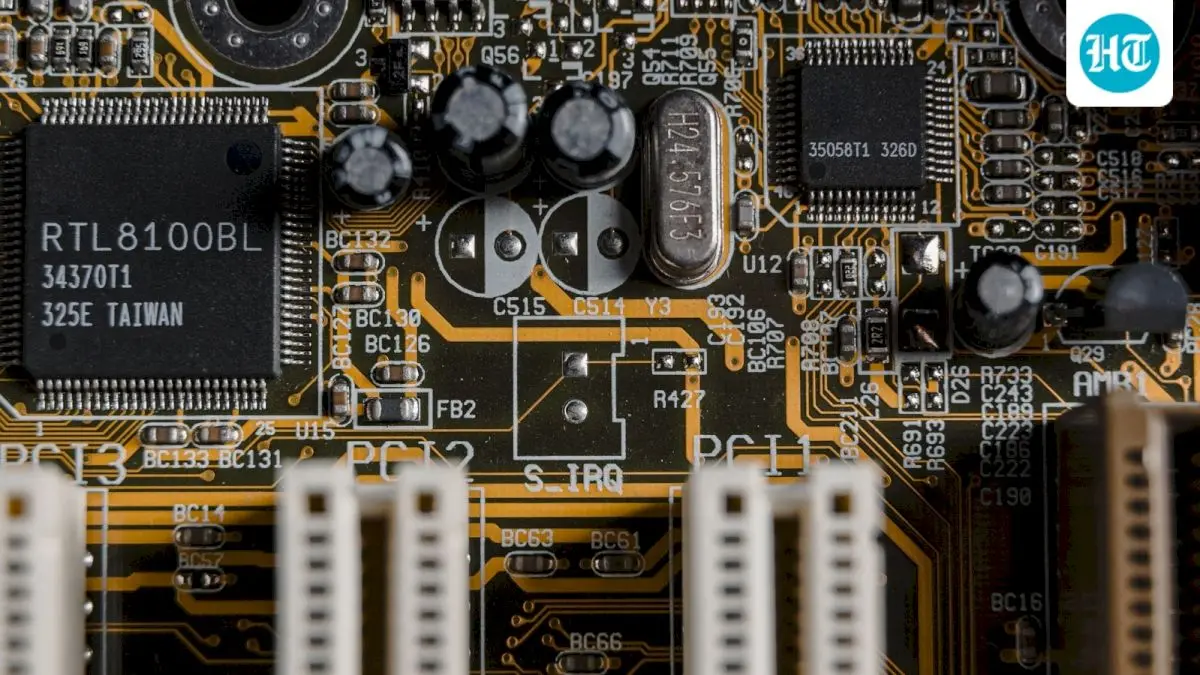
South Korea's semiconductor giants, Samsung Electronics and SK Hynix, are reaping record profits from the global AI boom, with operating profits surging over 500% year-on-year. This has created a new class of…
The Story in Brief
South Korea's semiconductor giants, Samsung Electronics and SK Hynix, are reaping record profits from the global AI boom, with operating profits surging over 500% year-on-year. This has created a new class of wealthy “silicon collar” workers and sparked a national debate on how to share the windfall, including proposals for a basic income funded by windfall taxes. However, the concentration of wealth and market power in a few chaebols, combined with heavy borrowing by individual investors, led to a sharp stock market correction in July, highlighting deep structural vulnerabilities in the economy.
The Indian Opinion
The narrative framing South Korea’s AI-driven chip boom as a simple windfall misses the deeper structural risks. While it is true that Samsung and SK Hynix profits have soared, the concentration of wealth in a few chaebols and the heavy borrowing by retail investors during the rally expose the economy’s fragility. The recent stock crash, triggered by a semiconductor sell-off, wiped out savings and reignited questions about corporate governance. Calling this just an AI story ignores the longstanding Korea Discount and the vulnerability of an economy so dependent on one sector. The real test is whether reforms like the Value-Up Programme can reduce that concentration without killing the golden goose.
Sources (2): hindustantimes.com, newindianexpress.com
This story was synthesised by AI from the 2 sources linked above.
Updated: this story now draws on 2 sources.