













Now Reading: Tighter delayed birth, death registration rules from October 1
-
01
Tighter delayed birth, death registration rules from October 1


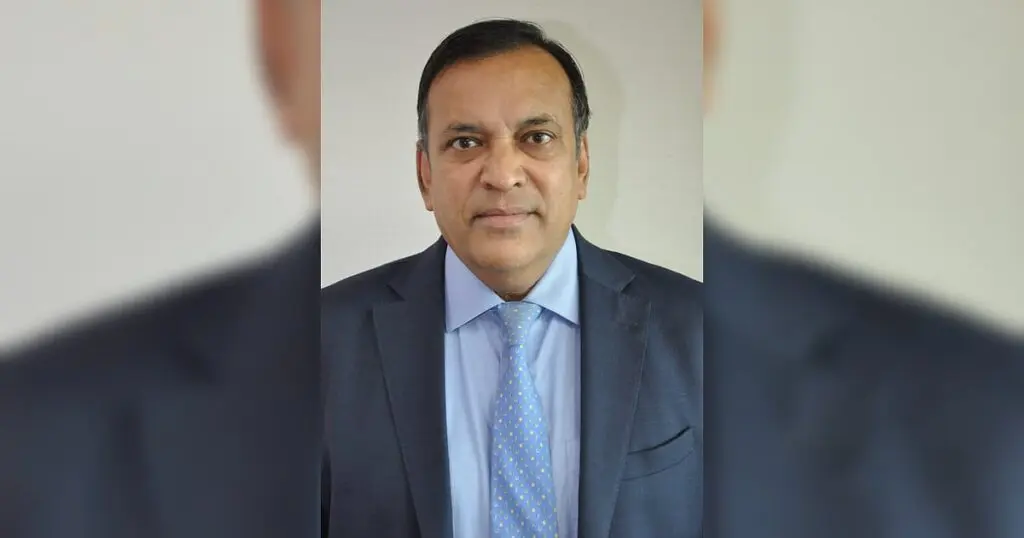
Tighter rules for delayed birth and death registration take effect from October 1, Registrar General of India Mrityunjay Kumar Narayan announced. The Registration of Births and Deaths (Amendment) Act, 2026, passed by…
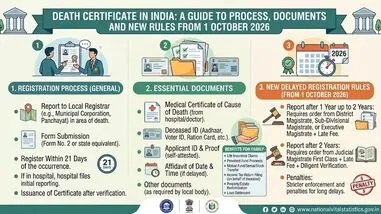
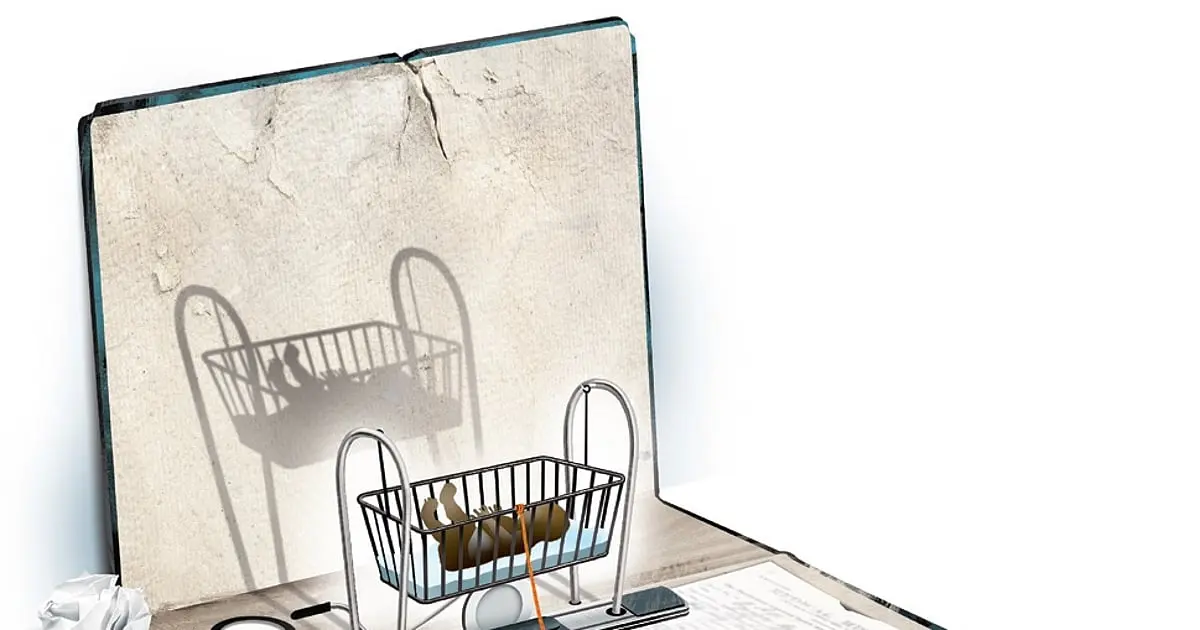
Tighter rules for delayed birth and death registration take effect from October 1, Registrar General of India Mrityunjay Kumar Narayan announced. The Registration of Births and Deaths (Amendment) Act, 2026, passed by Parliament and signed by the President last month, requires judicial intervention for applications filed more than two years after the event.
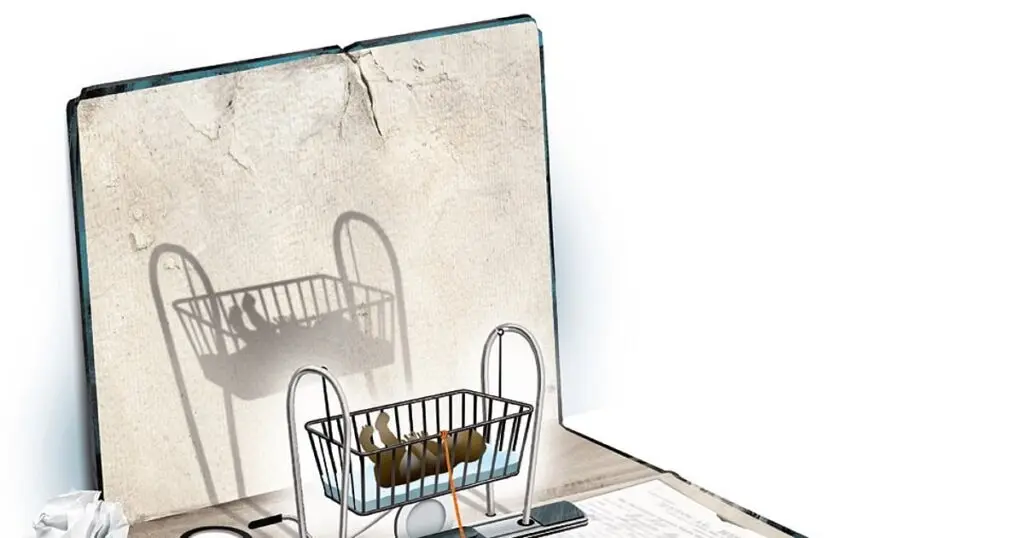
Under the amended law, applications made one to two years after a birth or death still need an order from a district magistrate or authorised executive magistrate, with a fee. After two years, the applicant must obtain an order from a judicial magistrate of the first class. The government said the amendments are intended to encourage timely reporting of vital events. The original 1969 Act was last amended in 2023.
Indian Opinion Analysis
Both sources carry the same PTI wire copy, so there is no stance divergence. The coverage is uniform straight reporting of the government notification. The substance is the bureaucratic tightening of a procedural law: requiring judicial scrutiny for late registrations is administrative, not ideological. The practical effect is that a person seeking to register a birth or death after two years must now obtain a judicial magistrate's order, adding a layer of legal cost and delay. The government frames it as encouraging timely reporting. The amendment takes effect on October 1, 2026.
Coverage: 2 sources, 2 neutral
Sources (2): newindianexpress.com (neutral report), thefederal.com (neutral report)
This brief was synthesised by AI from the 2 sources linked above, so one read covers every framing they carry.
Updated: this story now draws on 2 sources.