














Now Reading: Florida’s Indian River Lagoon gets 65 million super clams brought back from brink
-
01
Florida’s Indian River Lagoon gets 65 million super clams brought back from brink

Florida’s Indian River Lagoon gets 65 million super clams brought back from brink


Scientists have bred and released 65 million 'super clams' into Florida's Indian River Lagoon, sourced from just 39 survivors of an environmental collapse. University of Florida professor Todd Osborne found the last…
The Story in Brief
Scientists have bred and released 65 million 'super clams' into Florida's Indian River Lagoon, sourced from just 39 survivors of an environmental collapse. University of Florida professor Todd Osborne found the last 39 clams in 2018 after overharvesting and algal blooms wiped out the population. His team spawned them, producing 40 million larvae, and has since outplanted juvenile and adult clams.
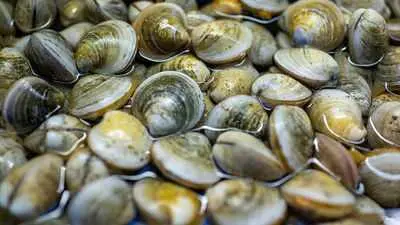
About half of adult clams survived two years, with 10-13% of seed clams alive after one year. The main threat remains freshwater influx from stormwater and agricultural runoff, which can kill clams by lowering salinity. Osborne's team identified higher-survival zones and placed 21 million clams near Stuart, Florida, with local governments exploring septic-to-sewer conversions.
The Indian Opinion
The 'super clam' story is hopeful, but Indian readers know environmental recovery is never this neat. The narrative of scientists heroically reversing a collapse risks downplaying the root cause: freshwater influx from unchecked runoff and septic leaks. The real test is whether local governments will match the clam project's scale with binding curbs on pollution. Without that, these 65 million clams are a stopgap, not a solution. How many counties will actually convert septic systems, and how fast?
Source: timesofindia.indiatimes.com
This story was synthesised by AI from the source linked above.
Updated: this story now draws on 1 sources.