









Now Reading: Supreme Court acquits two Gujarat staffers over Rs 20 bribe case
-
01
Supreme Court acquits two Gujarat staffers over Rs 20 bribe case


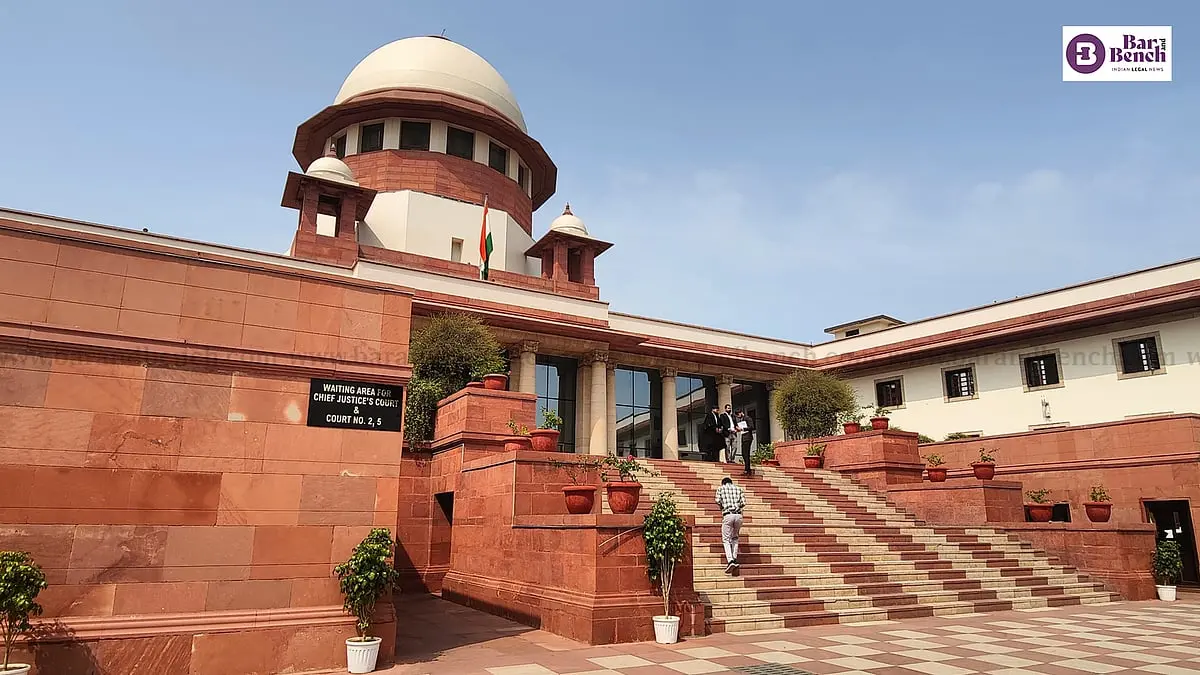
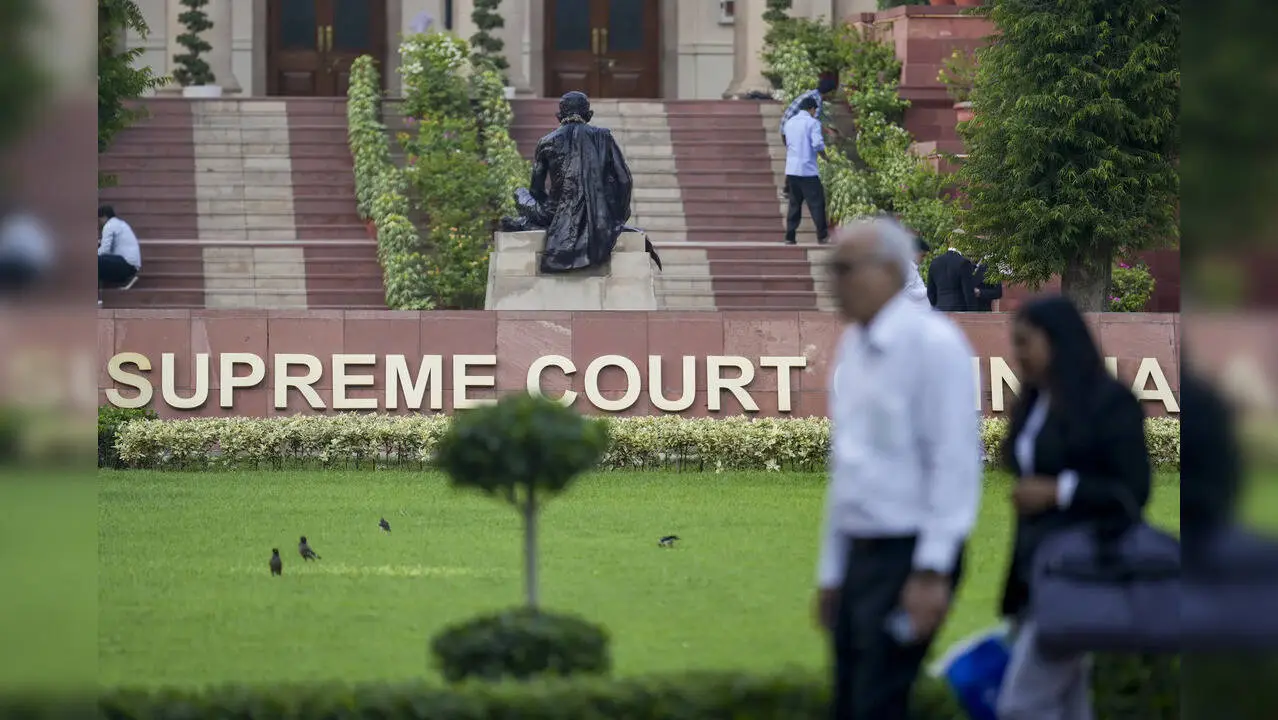
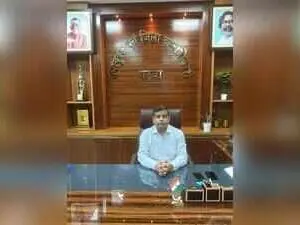
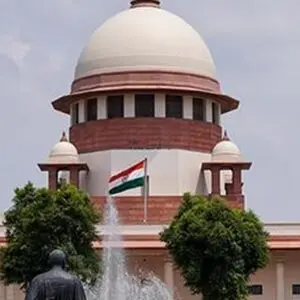
The Supreme Court on Wednesday acquitted two Gujarat government employees in a corruption case that began in 1996 over an alleged demand for a bribe of Rs 120, of which only Rs 20 was recovered. A bench of Justices Ujjal Bhuyan and Atul S Chandurkar set aside the conviction of a Talati-cum-Mantri (village revenue official) and a peon, noting that the prosecution failed to prove the initial demand for a bribe beyond reasonable doubt.

The case arose when a student approached the Bechri gram panchayat office for an income certificate in February 1996. The Anti-Corruption Bureau laid a trap, but the student handed only Rs 20 to the peon despite instructions to pay the full Rs 120. The court found that the peon never demanded any money and that the Talati-cum-Mantri was never found with any cash. It further held the sanction to prosecute the Talati-cum-Mantri was invalid, as the deputy district development officer who granted it lacked authority.
Indian Opinion Analysis
All three outlets gave the Supreme Court's core ruling the same weight: the demand for a bribe must be proven first, and recovery alone is not enough. The difference lies in what each leads with. NDTV front-loads the human angle, a 30-year case over Rs 20. Barandbench.com leads with the legal principle and then lays out the full procedural timeline. LiveLaw.in leads with the statutory citation, Section 20 of the PC Act, and the broader evidentiary rule. No outlet carries a pro-government or critical stance on this story, all are neutral-report. The careful reader should watch how this ruling tightens the evidentiary burden on anti-corruption agencies in trap cases, particularly where the demand is contested and the sanction to prosecute is itself defective.
Coverage: 3 sources, 3 neutral
Sources (3): ndtv.com (neutral report), barandbench.com (neutral report), livelaw.in (neutral report)
This story was synthesised by AI from the 3 sources linked above. Methodology and corrections.
Updated: this story now draws on 3 sources.