
















Now Reading: Supreme Court acquits two Gujarat staffers in Rs 20 bribe case after 30 years
-
01
Supreme Court acquits two Gujarat staffers in Rs 20 bribe case after 30 years

Supreme Court acquits two Gujarat staffers in Rs 20 bribe case after 30 years

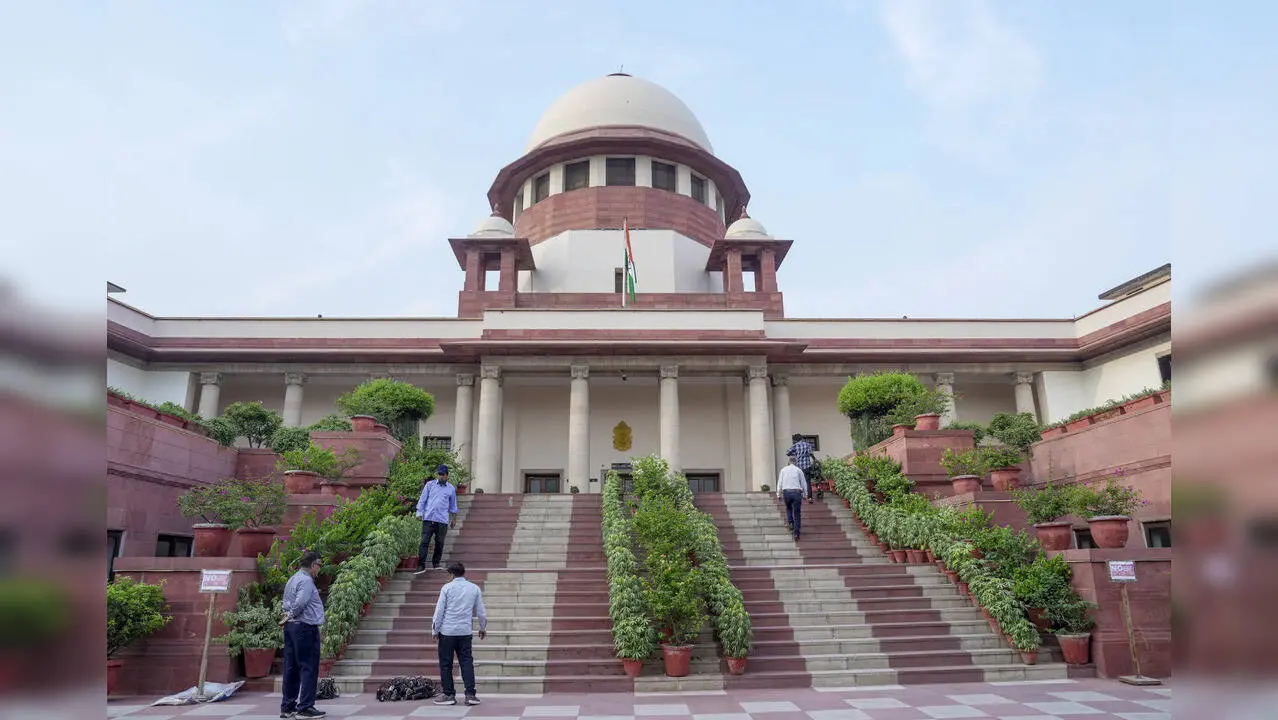
Nearly 30 years after being accused of taking a Rs 20 bribe, two Gujarat government employees have been acquitted by the Supreme Court. A bench of Justices Ujjal Bhuyan and Atul S Chandurkar held on March 28 that the prosecution had failed to prove the essential ingredient of demand of a bribe. The court noted that the recovery of a marked Rs 20 note from the peon's pocket alone was insufficient to sustain the conviction.

The case dates back to February 1996, when a student approached the Bechri Gram Panchayat office for an income certificate. The prosecution alleged that the Talati-cum-Mantri demanded Rs 120, of which Rs 20 was for the peon. A trap was laid by the Anti-Corruption Bureau, but the student handed only Rs 20 to the peon after receiving the certificate. The remaining Rs 100 was never recovered. Times Now reports that the Supreme Court also found the sanction to prosecute the Talati-cum-Mantri was invalid. Both accused, now senior citizens, had been sacked from government jobs after their 1999 conviction, which the Gujarat High Court had upheld in 2015.
Times of India notes that the court found the defence plausible: the peon had said the Rs 20 was given because Eid was the next day. The judgment, authored by Justice Ujjal Bhuyan, said the prosecution's case fell "woefully short" of proving the charge beyond reasonable doubt.
Indian Opinion Analysis
All three outlets report the same core facts without editorial slant, making this a uniform straight-reporting story. DNA India leads with the 30-year duration, Times Now and Times of India lead with the Supreme Court's legal reasoning on the need to prove demand. None of the sources mention the identity of the student or the current status of the accused's jobs post-acquittal. The case underscores how long delays can undermine the deterrent effect of anti-corruption law. The key takeaway: the Prevention of Corruption Act requires proof of demand, not just recovery of money.
(93 words)
Coverage: 3 sources, 3 neutral
Sources (3): dnaindia.com (neutral report), timesnownews.com (neutral report), timesofindia.indiatimes.com (neutral report)
This story was synthesised by AI from the 3 sources linked above. Methodology and corrections.
Updated: this story now draws on 3 sources.