Now Reading: Supreme Court dismisses final Bofors appeal, ends four-decade-old case
-
01
Supreme Court dismisses final Bofors appeal, ends four-decade-old case



The Supreme Court on Thursday dismissed the last surviving appeal in the Bofors pay-off case, closing a politically charged scandal that began in 1986. A bench of Justices JB Pardiwala and K…
The Story in Brief
The Supreme Court on Thursday dismissed the last surviving appeal in the Bofors pay-off case, closing a politically charged scandal that began in 1986. A bench of Justices JB Pardiwala and K Vinod Chandran rejected the plea of advocate Ajay Agrawal, who had sought four weeks to delete names of deceased respondents. The court said the 2018 matter could not be adjourned further. The Delhi High Court had quashed all criminal proceedings in 2005, ruling that the CBI failed to produce admissible evidence linking the accused to alleged kickbacks.
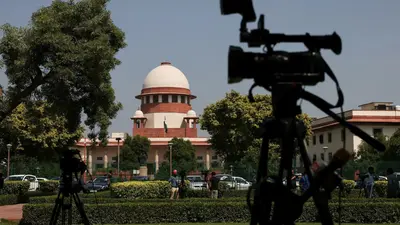
The CBI did not appeal that order because the then UPA government denied permission. Agrawal, who contested the 2014 Lok Sabha election from Rae Bareli against Sonia Gandhi, then filed a third-party petition. The investigation cost nearly Rs 250 crore but never reached a criminal trial. The case collapsed on procedural failures: key foreign documents could not be authenticated, and the limitation period for appeal expired.
The Indian Opinion
The Bofors case will be remembered as a scandal that toppled a government but could not deliver a judicial verdict. The narrative of a grand conspiracy shielding the accused is undercut by a simple fact: the CBI, with a decade of investigation and Rs 250 crore spent, could not prove the documents in court. Neither side can claim vindication. The test now is whether this closes the book or whether the unanswered questions about who received the money linger in public memory as a lesson in the limits of law and politics.
Sources (2): timesofindia.indiatimes.com, thefederal.com
This story was synthesised by AI from the 2 sources linked above.
Updated: this story now draws on 2 sources.