








Now Reading: Supreme Court orders police patrolling, cab driver checks in Delhi
-
01
Supreme Court orders police patrolling, cab driver checks in Delhi


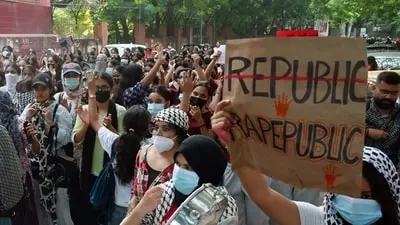
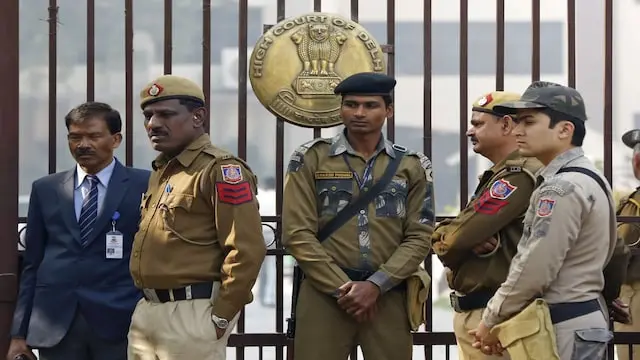
The Supreme Court on Thursday, 8 October 2026, ordered enhanced police patrolling around schools, colleges, universities and coaching centres across Delhi, mandated strict verification of drivers of public transport and app-based cabs including Ola and Uber, and directed authorities to set up dedicated command centres or 'war rooms' to monitor CCTV and patrolling in real time. A bench of justices JB Pardiwala and K Vinod Chandran invoked the 'Broken Windows' theory of policing, saying unattended streetlights and non-functional CCTV cameras collectively convey neglect. The court directed the Delhi chief secretary and police commissioner to file periodic compliance reports and made them personally answerable for implementation.
Indian Opinion Analysis
Hindustan Times leads with the SC directions themselves, foregrounding the court's order on patrolling, cab driver checks and command centres without querying the adequacy of existing policing. LawBeat frames the same hearing by foregrounding the 'Broken Windows' theory, the amicus curiae's emphasis on police staffing shortages and the multiplicity of helplines, and the court's concern that protocols may be 'confined to paperwork'. The difference is one of emphasis: Hindustan Times reports the measures as a court-driven upgrade, while LawBeat reports the same measures against evidence that earlier mechanisms were failing. The Solicitor General's assurance that agencies had begun joint deliberations appears in LawBeat's account, providing a government response. The common fact that ties the framings together is the court's October 8 deadline for the police chief and chief secretary to report on command centres: both outlets name that compliance date.
Coverage: 2 sources, 2 neutral
Sources (2): hindustantimes.com (neutral report), lawbeat.in (neutral report)
This brief was synthesised by AI from the 2 sources linked above, so one read covers every framing they carry. Methodology and corrections.