












Now Reading: Supreme Court reignites debate on whether English is an Indian language
-
01
Supreme Court reignites debate on whether English is an Indian language

Supreme Court reignites debate on whether English is an Indian language

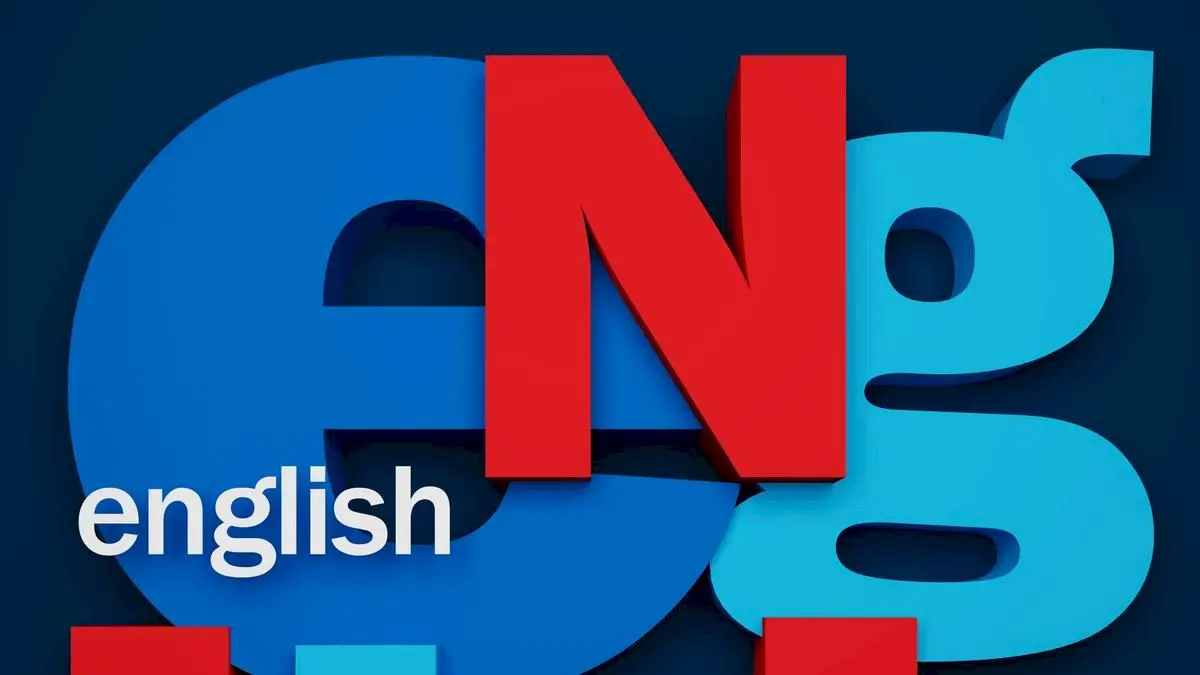
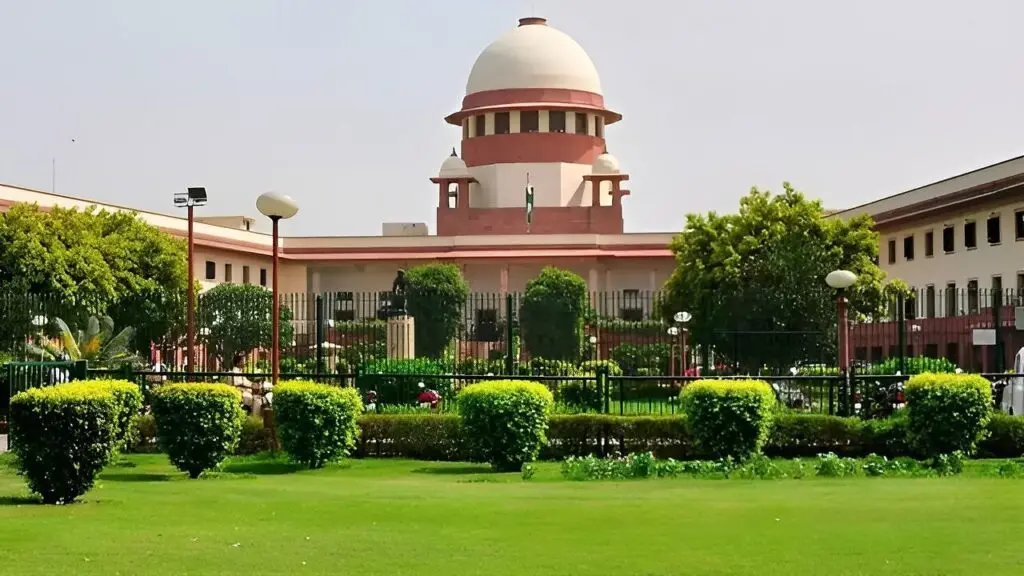
The Supreme Court has revived the question of whether English qualifies as an indigenous Indian language. The debate, often cast as a contest between English and Indian languages, is both historically misleading…
The Story in Brief
The Supreme Court has revived the question of whether English qualifies as an indigenous Indian language. The debate, often cast as a contest between English and Indian languages, is both historically misleading and politically unproductive, argues a recent analysis. English arrived with British colonialism but over two centuries has been transformed by its Indian speakers. Today, an estimated 129 million Indians claim English as a first, second or third language, according to the 2011 Census, with functional knowledge possibly reaching 180 million to 250 million. The Constitution retains English for official purposes alongside Hindi, and it remains the medium of instruction in all premier higher education institutions and about 31,000 CBSE-affiliated schools.
The Indian Opinion
The lazy binary that pits English against Indian languages ignores history. English was imposed by colonisers, but Indians have since wielded it as a tool for freedom, reform and global connection. Those who dismiss it as foreign forget that Indian writers, jurists and common citizens have made it their own. The real argument should not be about loyalty to one language over another. It should be about expanding access to all languages, including English, so that no child is denied opportunity by a closed door. The question is not whether English belongs here. The question is who gets to learn it.
Sources (2): thehindu.com, news.google.com
This story was synthesised by AI from the 2 sources linked above.
Updated: this story now draws on 2 sources.