
















Now Reading: Supreme Court suggests linking unpaid challans to electricity bills
-
01
Supreme Court suggests linking unpaid challans to electricity bills


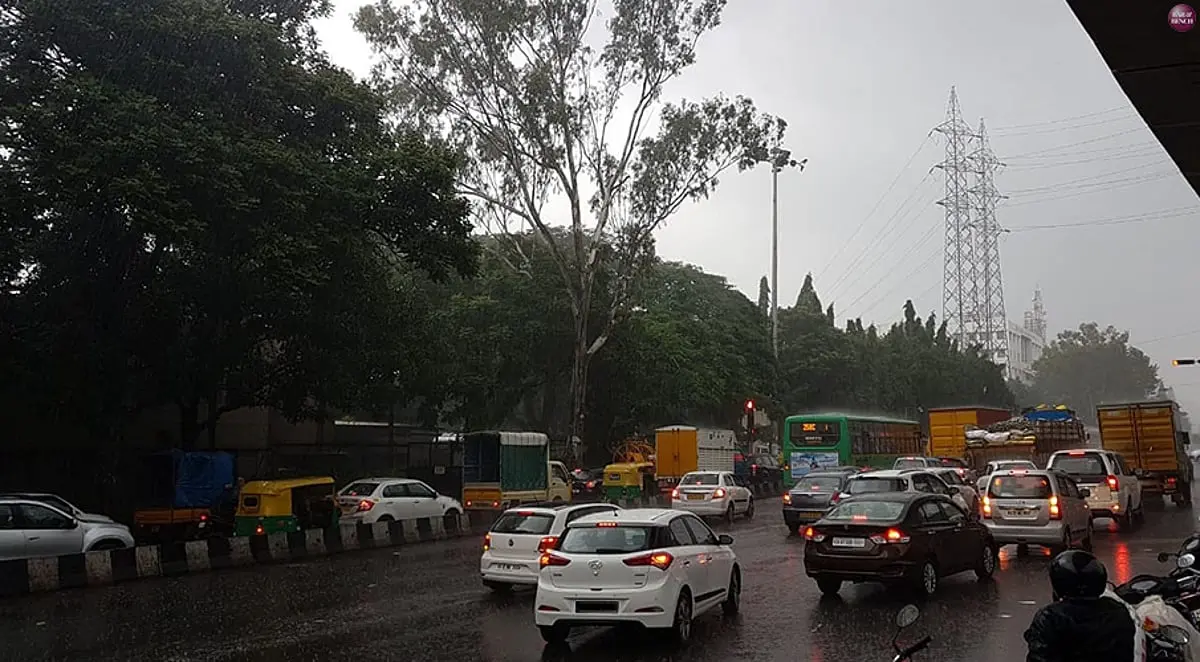
The Supreme Court on Monday suggested that states and union territories consider adding unpaid traffic e-challan fines to electricity bills to recover outstanding dues. A bench of Justice J B Pardiwala and…
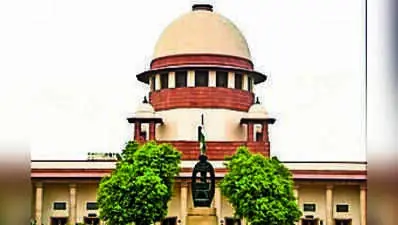
The Supreme Court on Monday suggested that states and union territories consider adding unpaid traffic e-challan fines to electricity bills to recover outstanding dues. A bench of Justice J B Pardiwala and Justice K V Viswanathan made the suggestion while hearing a plea on electronic enforcement of traffic violations in a long-running 2012 PIL on road safety filed by S Rajasekaran.
The court was told that states and UTs have to recover about Rs 45,000 crore in e-challans, of which roughly Rs 25,000 crore has been recovered so far. The court also discussed other measures including blocking renewal of vehicle registration, blacklisting vehicles on the Parivahan portal, and random checks that could lead to vehicle seizure. The court asked the amicus curiae to prepare a chart of its past directions and their compliance status, warning that strict action may follow if directions remain on paper.
Indian Opinion Analysis
Both outlets reported the court's suggestion and the Rs 45,000 crore figure identically, with no editorialising. Barandbench.com led with the court's warning about directions remaining on paper and the threat of stern action against officials, while New Indian Express ended on the same compliance-chart instruction. The difference is one of emphasis: Barandbench gave more space to the court's frustration with ground-level implementation, signalling judicial impatience. The core story is the court's push for a novel recovery mechanism and its escalating scrutiny of enforcement. The key date is the next hearing when the compliance chart is submitted.
The tribunal hears the appeal on 12 September.
Coverage: 2 sources, 2 neutral
Sources (2): barandbench.com (neutral report), newindianexpress.com (neutral report)
This brief was synthesised by AI from the 2 sources linked above, so one read covers every framing they carry.
Updated: this story now draws on 2 sources.