











Now Reading: Supreme Court to hear plea against facial recognition at protest
-
01
Supreme Court to hear plea against facial recognition at protest


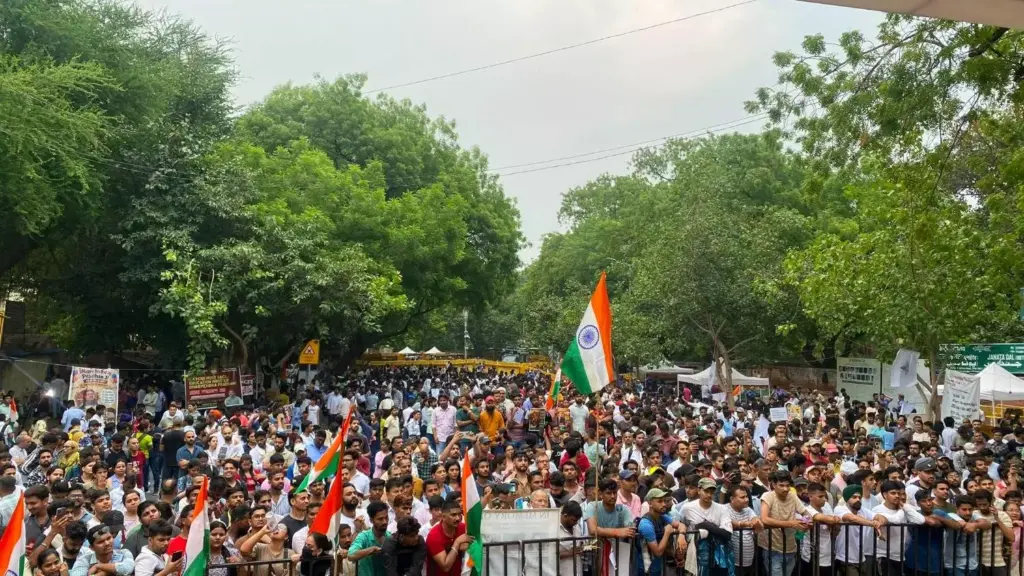
The Supreme Court has agreed to hear a plea challenging Delhi Police’s alleged use of facial recognition and other biometric surveillance during a student protest at Jantar Mantar. The petition, filed by…
The Story in Brief
The Supreme Court has agreed to hear a plea challenging Delhi Police’s alleged use of facial recognition and other biometric surveillance during a student protest at Jantar Mantar. The petition, filed by Rajya Sabha MP AA Rahim, alleges that protesters, journalists and members of the public were monitored through CCTV cameras, drones and a mobile command vehicle. It claims biometric data was matched with permanent criminal databases without legal authorisation or a privacy impact assessment. The bench directed that the case be heard with related petitions. The plea seeks disclosure of the technologies and vendors involved, along with safeguards for access and deletion of data.
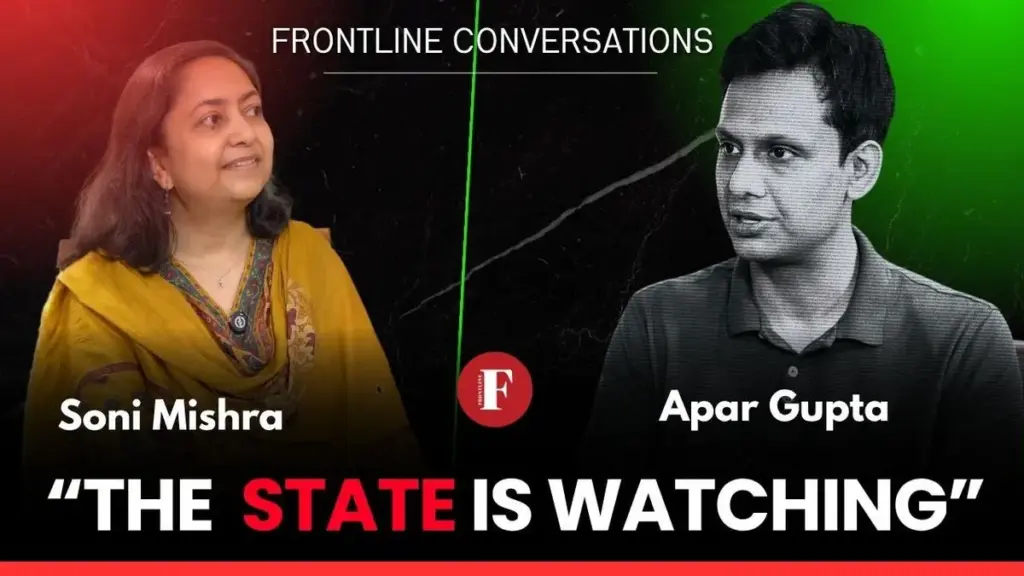
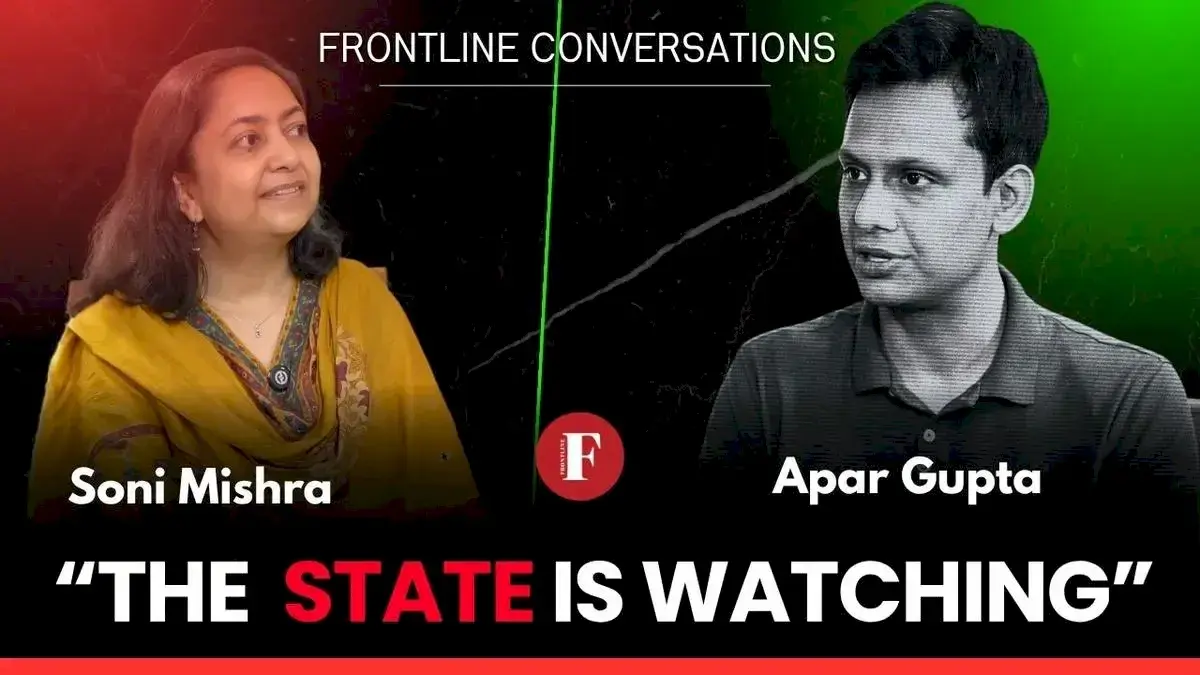
In a Frontline interview, digital rights lawyer Apar Gupta said surveillance, censorship and restrictions on social media can deter people from exercising their right to protest. He also questioned facial recognition’s legal basis and accuracy. These allegations will now be tested in court.
The Indian Opinion
The lazy narrative is that anyone filmed at a protest must have something to hide. The opposite exaggeration, that every police camera is automatically unlawful, is also unhelpful. The real test is narrower: was collection authorised, necessary and proportionate, and were people told how their data would be used? The court should demand the records, vendor details and deletion policy. A clear finding on whether biometric matches were made, and how many, would settle much of the argument.
Sources (2): frontline.thehindu.com, thefederal.com
This story was synthesised by AI from the 2 sources linked above.
Updated: this story now draws on 2 sources.