


















Now Reading: Surayya and Badruddin Tyabji shaped India’s national flag
-
01
Surayya and Badruddin Tyabji shaped India’s national flag


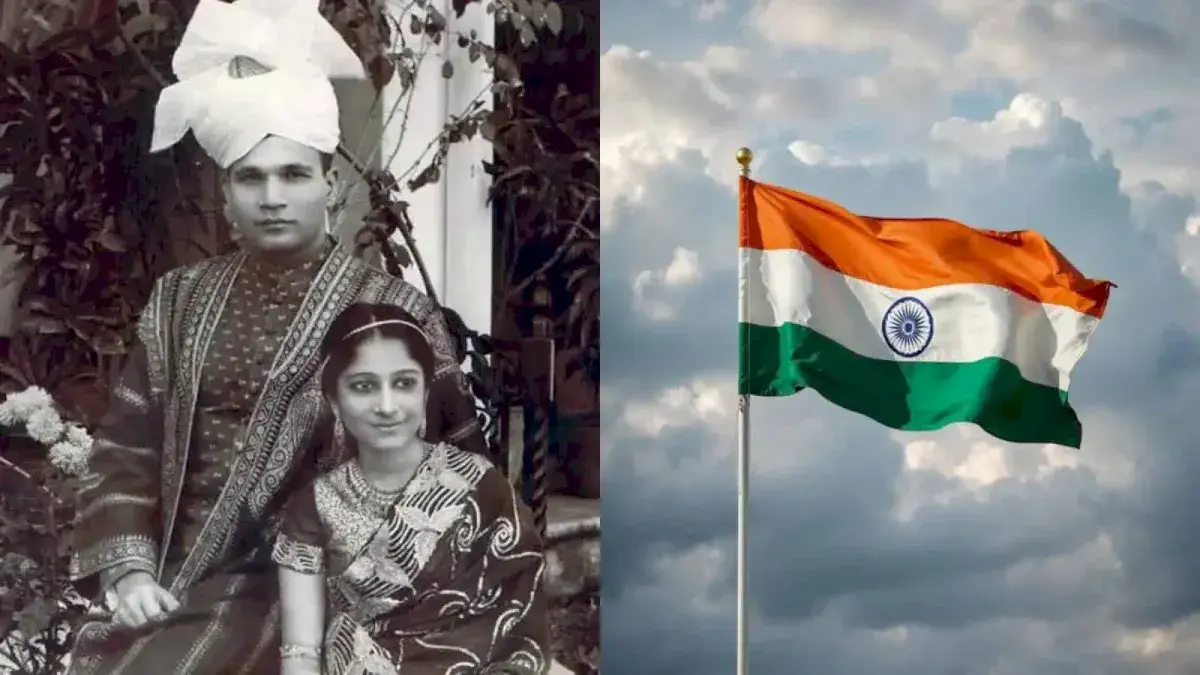
Surayya Tyabji, a Hyderabad-born artist, and her husband Badruddin Tyabji played a key role in adapting India’s flag before Independence in 1947, Siasat.com reports. The couple replaced the Congress flag’s charkha with…
The Story in Brief
Surayya Tyabji, a Hyderabad-born artist, and her husband Badruddin Tyabji played a key role in adapting India’s flag before Independence in 1947, Siasat.com reports. The couple replaced the Congress flag’s charkha with the 24-spoked Ashoka Chakra, creating a symbol intended to represent the whole country. Surayya redesigned the emblem for hand-woven Khadi, supervised test flags in Delhi and helped ensure the correct proportions and colours. The first sample was fitted to Jawaharlal Nehru’s car on the night of August 14-15, according to historian Trevor Royle.

Siasat.com, citing an essay by their daughter Laila Tyabji in The Wire, says accounts often present the work as Surayya’s solo achievement. Laila argues that Badruddin, who led the Flag Committee’s work after Nehru’s request, has been left out. The couple also worked on the national emblem, with Surayya producing a graphic version of the Sarnath Lion Capital. The account adds that Gandhi objected to a black Chakra, leading to the navy blue design used today.

The Indian Opinion
The popular story of a lone Hyderabadi Muslim woman designing the flag is attractive, but it is incomplete. The source itself records a joint effort involving Surayya, Badruddin, the committee and earlier work by Pingali Venkayya. Nor should a family account alone settle every question of credit. A fair history should preserve both Surayya’s practical design contribution and Badruddin’s institutional role. The useful test is whether official histories name all contributors, not just the most memorable one.
Source: siasat.com
This story was synthesised by AI from the source linked above.