


















Now Reading: TATA.ev expands Battery-as-a-Service to full EV range
-
01
TATA.ev expands Battery-as-a-Service to full EV range


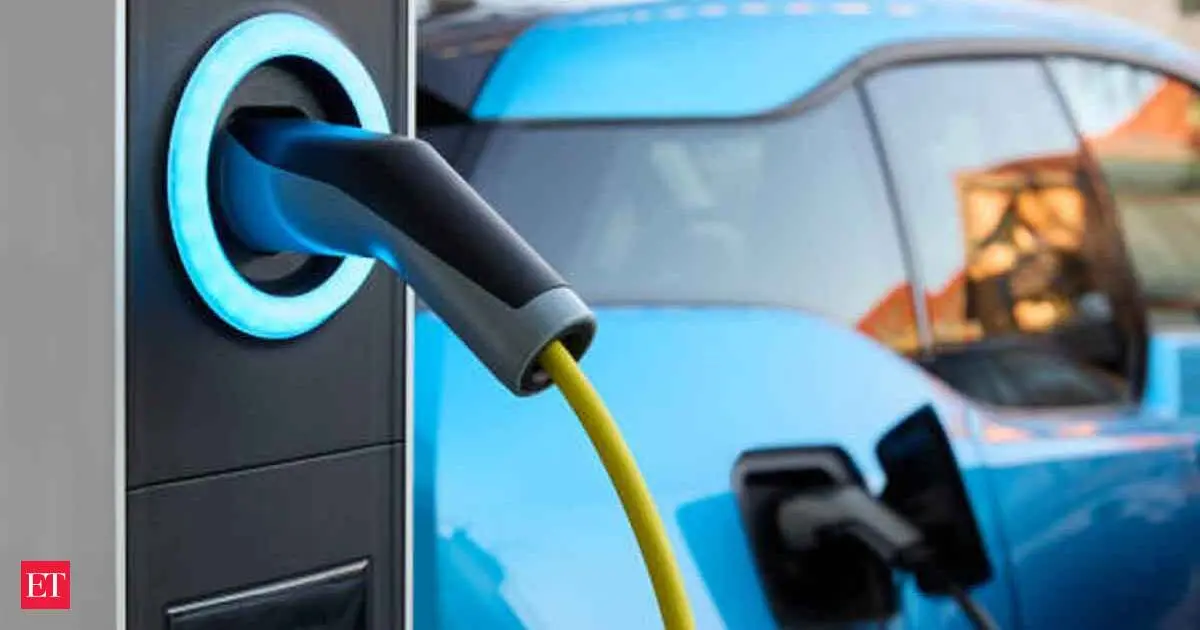
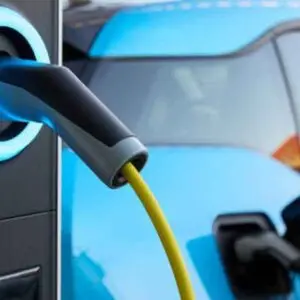
TATA.ev has extended its Battery-as-a-Service (BaaS) offering across its entire electric vehicle portfolio, the company announced on Monday, 28 September. The scheme, previously limited to the Tiago.ev and Punch.ev, now covers the Nexon.ev, Curvv.ev, Sierra.ev and Harrier.ev. Under BaaS, the battery cost is separated from the upfront vehicle price and financed through a separate loan, lowering the initial acquisition cost. Battery EMI varies by battery size, down payment and tenure, and excludes charging, maintenance and repairs.
The expansion sharpens competition in India's EV market, where BaaS still accounts for only 4 to 6 per cent of sales, Business Line reported on 2 October. Mahindra offers the lowest advertised entry price in the ₹19-lakh segment and the cheapest quoted battery financing at ₹3.75 per kilometre for the BE 6 Sporteq, versus Tata's ₹5.50 per km for the Sierra.ev and MG's ₹4.90 per km for the Tomahawk. In the mid-market, Maruti Suzuki's e Vitara, Tata's Curvv.ev and Hyundai's Creta Electric can all be advertised at ₹10.99 lakh under BaaS, but financing costs range from Hyundai's ₹3.90 per km to Tata's ₹5 per km. For consumers, the real cost comparison begins after the showroom visit.
Indian Opinion Analysis
Economic Times reports TATA.ev's BaaS expansion as a straight company announcement, leading with the commercial logic and Vivek Srivatsa's quote about customer choice. The Hindu Business Line frames the same move as the trigger for a competitive market comparison, naming rival models and publishing per-kilometre battery-financing rates from Mahindra, MG, Maruti and Hyundai. The two outlets differ on emphasis: one on the new option, the other on the cost differences the option reveals. What neither dwells on is that BaaS still accounts for only 4 to 6 per cent of EV sales. The practical takeaway for a buyer is that advertised prices under BaaS hide wide variation in battery EMIs and specs, and the quoted per-kilometre costs shown by Business Line will be the next metric consumers compare across showroom floors.
Coverage: 2 sources, 2 neutral
Sources (2): economictimes.indiatimes.com (neutral report), thehindubusinessline.com (neutral report)
This brief was synthesised by AI from the 2 sources linked above, so one read covers every framing they carry. Methodology and corrections.