











Now Reading: Teacher stress demands systemic work-life balance solutions
-
01
Teacher stress demands systemic work-life balance solutions


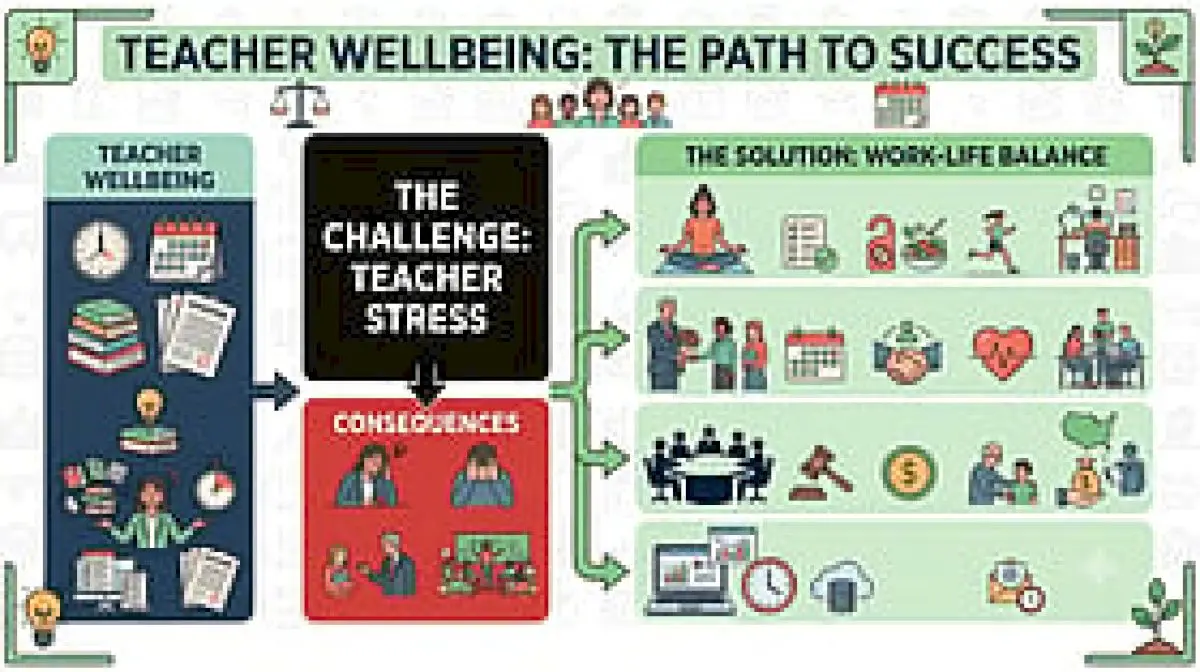
Teaching in India is inherently stressful, with workload, research publication pressure, and policy volatility being primary sources. Freepressjournal.in reports that chronic stress leads to burnout, reduced teaching quality, and high attrition rates,…
The Story in Brief
Teaching in India is inherently stressful, with workload, research publication pressure, and policy volatility being primary sources. Freepressjournal.in reports that chronic stress leads to burnout, reduced teaching quality, and high attrition rates, harming student outcomes and institutional stability.
The article argues that work-life balance is a systemic necessity, not just personal welfare. Individual strategies like time management and boundaries help, but institutional support and policy changes are essential to mitigate stress and sustain education quality.
The Indian Opinion
The narrative often blames teachers for not managing stress, ignoring systemic overload like research publication mandates and policy churn. The article rightly points to institutional responsibility. The real test will be whether education authorities invest in smaller classes, mentoring, and realistic workloads, or leave teachers to burn out alone.
Source: freepressjournal.in
This story was synthesised by AI from the source linked above.