









Now Reading: Supreme Court To Examine RTE Act For Madrasas, Vedic Pathshalas
-
01
Supreme Court To Examine RTE Act For Madrasas, Vedic Pathshalas


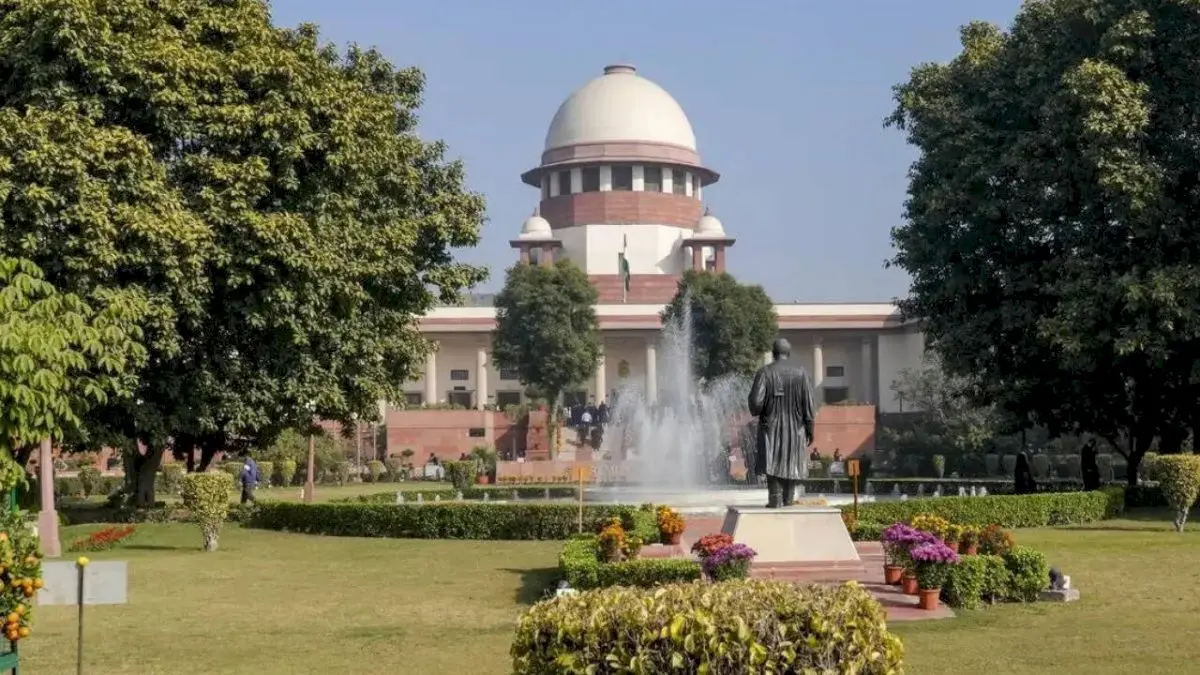
The Supreme Court will examine whether the Right to Education (RTE) Act applies to minority educational institutions, including madrasas, Vedic pathshalas, and other centres of religious instruction. A Bench of Justices Dipankar…
The Story in Brief
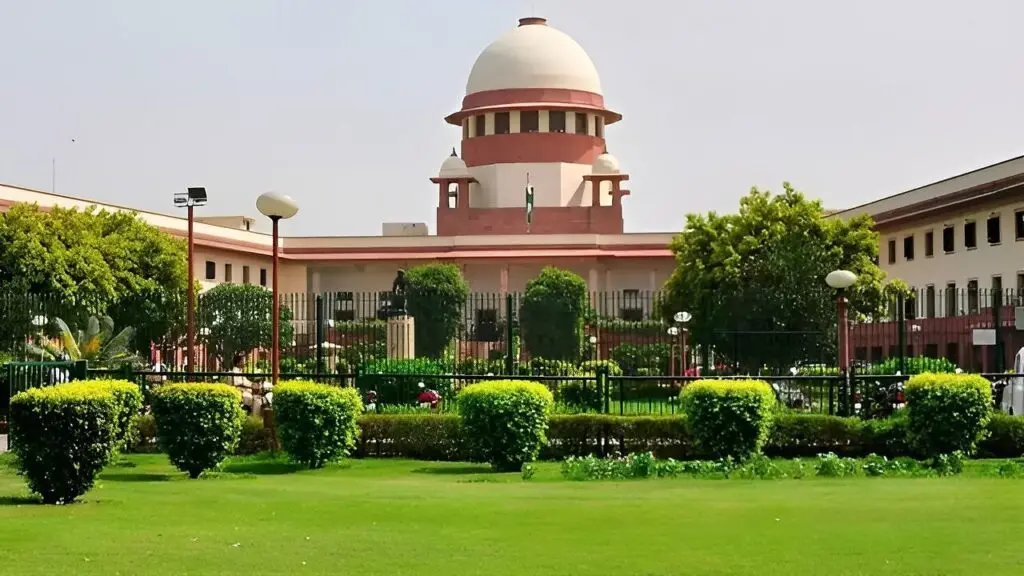
The Supreme Court will examine whether the Right to Education (RTE) Act applies to minority educational institutions, including madrasas, Vedic pathshalas, and other centres of religious instruction. A Bench of Justices Dipankar Datta and Sheel Nagu has ordered a public interest litigation filed by Maharashtra State Minority Commission Chairman Pyare Zia Khan to be heard alongside an existing case on the RTE Act and Teacher Eligibility Test for minority institutions.
The court had earlier, in a 2014 judgment, exempted minority institutions from the RTE Act. It has since questioned that ruling and sought consideration by a larger Bench. The new plea seeks scrutiny of whether institutions that primarily impart religious instruction can remain outside the RTE framework.
The Indian Opinion
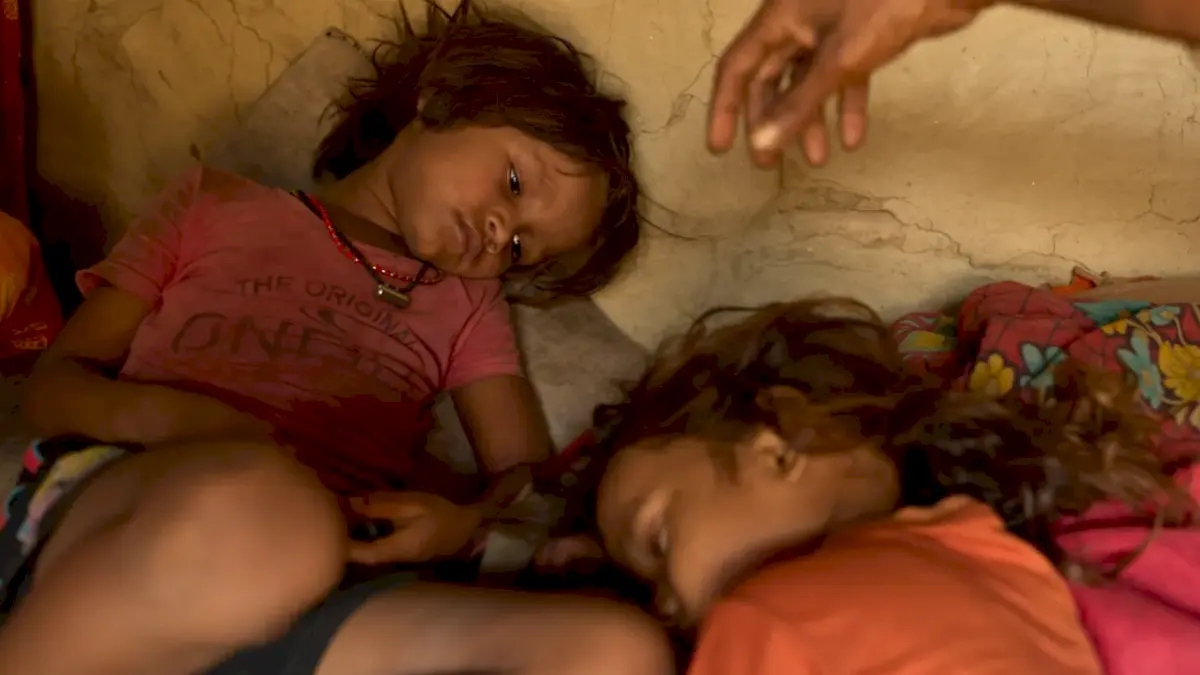
This case risks being framed as a clash between secular uniformity and religious freedom. But the real issue is simpler: can lakhs of children in madrasas and pathshalas be denied basic literacy and numeracy while the state funds them? Exempting minority institutions from the RTE Act does not have to mean exempting them from minimum learning outcomes. The court's job will be to draw a line that protects genuine religious instruction without creating a parallel, substandard education system. Watch whether the Bench questions the actual curriculum and teacher qualifications in these schools.
Source: timesnownews.com
This story was synthesised by AI from the source linked above.