











Now Reading: Tharoor challenges ‘invader’ label for Indian Muslims in history debate
-
01
Tharoor challenges ‘invader’ label for Indian Muslims in history debate

Tharoor challenges ‘invader’ label for Indian Muslims in history debate

Congress MP Shashi Tharoor has argued that India's Muslim community should not be defined through the lens of medieval conquest, calling instead for a more nuanced reading of history. Speaking at an…
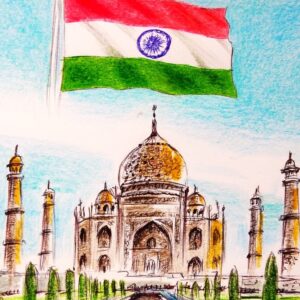
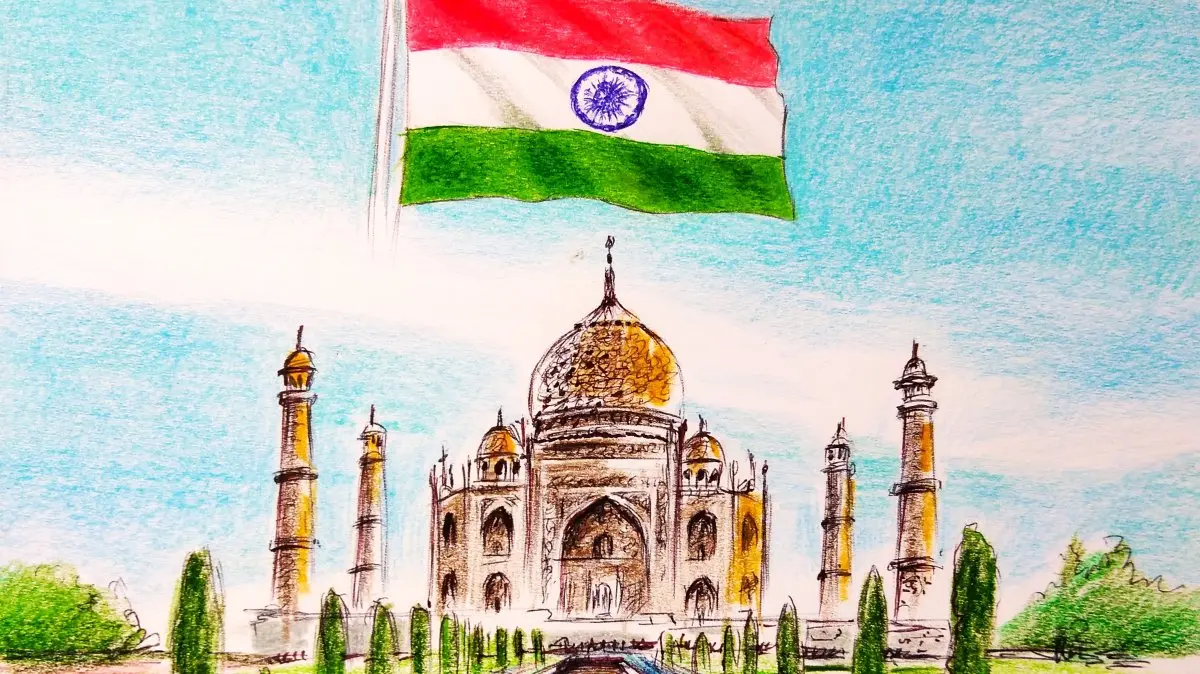
Congress MP Shashi Tharoor has argued that India's Muslim community should not be defined through the lens of medieval conquest, calling instead for a more nuanced reading of history. Speaking at an April conference on Muslim contributions to Indian civilisation, Tharoor noted that Islam arrived on India's southern coast through Arab traders, 'as news, not sword.' He cited the Qutb Complex, Humayun's Tomb and the Taj Mahal as evidence of a civilisation in conversation with itself.
Tharoor's remarks come amid a wider political struggle over how India's past is taught and remembered. A prominent Hindutva narrative, articulated by the Rashtriya Swayamsevak Sangh, holds that Islam came to Bharat with invaders. While no historian denies that Muslim rulers conquered parts of the subcontinent, critics argue that characterising an entire community as descendants of invaders undermines its cultural belonging in the present.
Indian Opinion Analysis
The debate over whether Muslims are 'invaders' or citizens is older than the current textbook controversy. The NCERT's Class VIII social science syllabus, which describes Central Asian invaders spreading religion by force, has already been challenged in courts and by state governments. At stake is not just historical accuracy but the social standing of India's 200 million Muslims. The real measure will be how this framing affects policy: the Citizenship Amendment Act of 2019 already distinguishes between religious communities on the basis of origin. The next flashpoint could be the textbook revision cycle scheduled for 2025-26, when the NCERT is expected to update school syllabi again.
Source: dailysabah.com
This brief was synthesised by AI from the source linked above.