












Now Reading: Two MP temples celebrate Independence Day four days early
-
01
Two MP temples celebrate Independence Day four days early


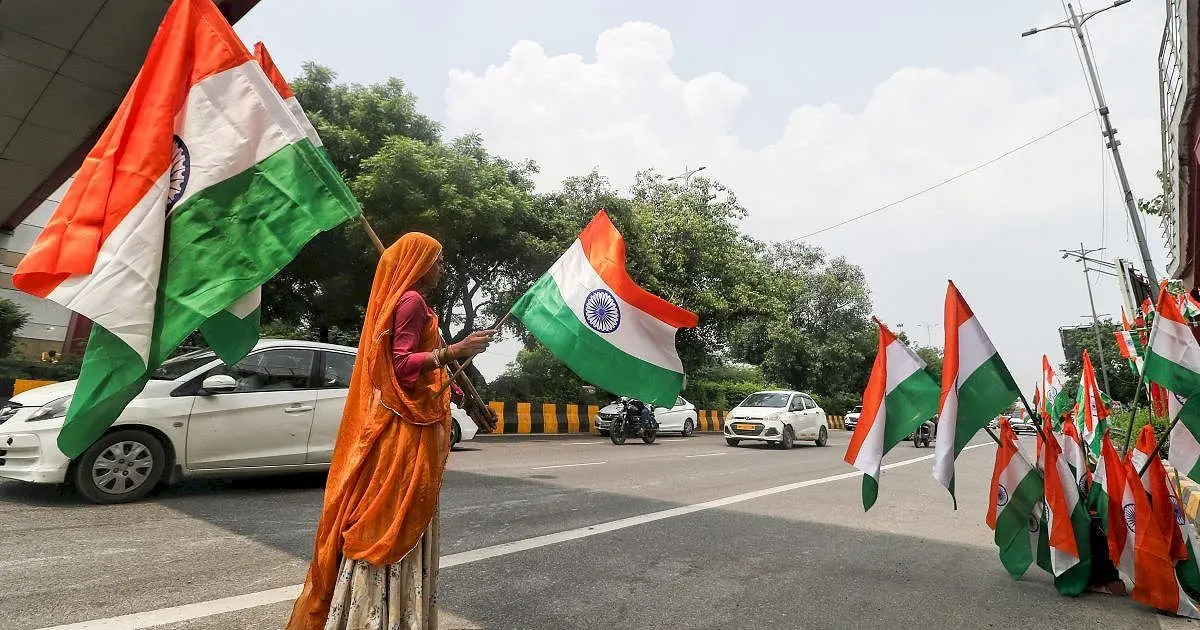
Two ancient temples in Madhya Pradesh celebrated Independence Day on August 11, four days before the national date, following a Hindu calendar tradition. The Pashupatinath Temple in Mandsaur and the Bade Ganesh…
The Story in Brief
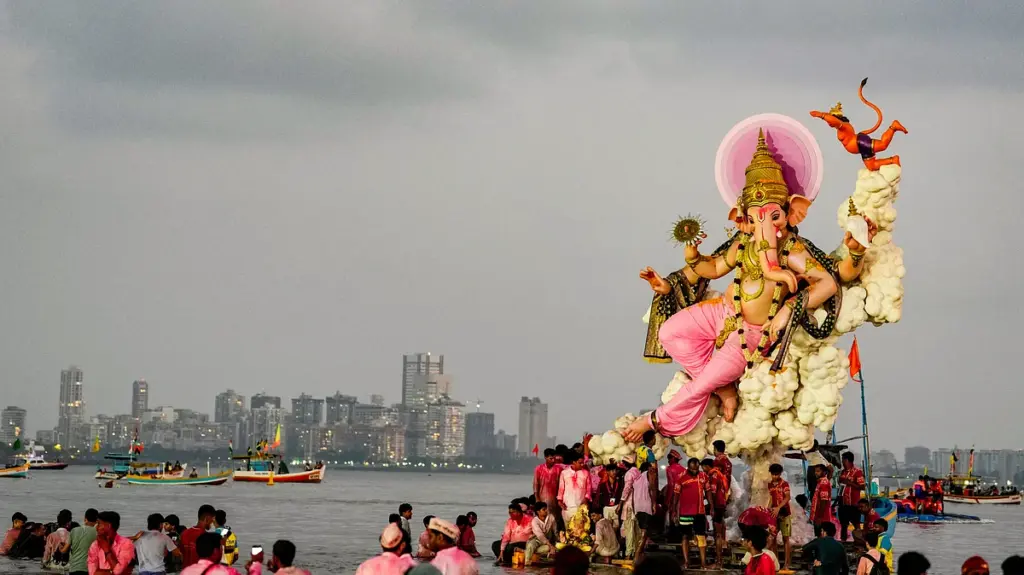
Two ancient temples in Madhya Pradesh celebrated Independence Day on August 11, four days before the national date, following a Hindu calendar tradition. The Pashupatinath Temple in Mandsaur and the Bade Ganesh Temple in Ujjain observe the festival on Shravan Krishna Chaturdashi, the lunar date that corresponded to August 15, 1947, when India gained freedom.
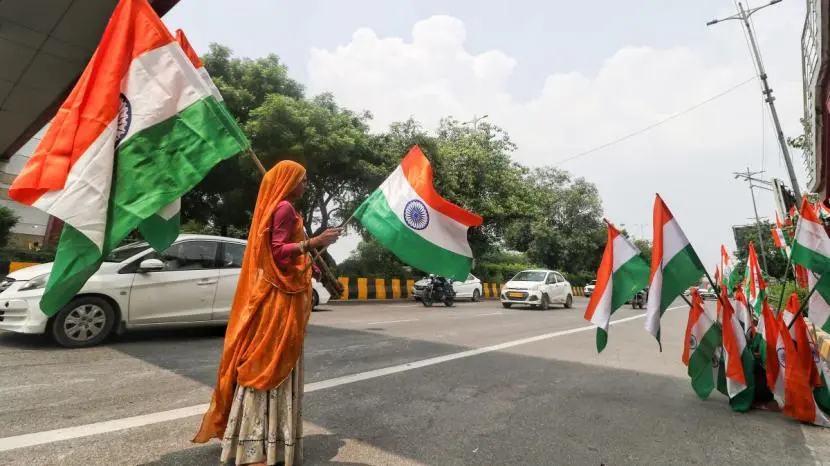
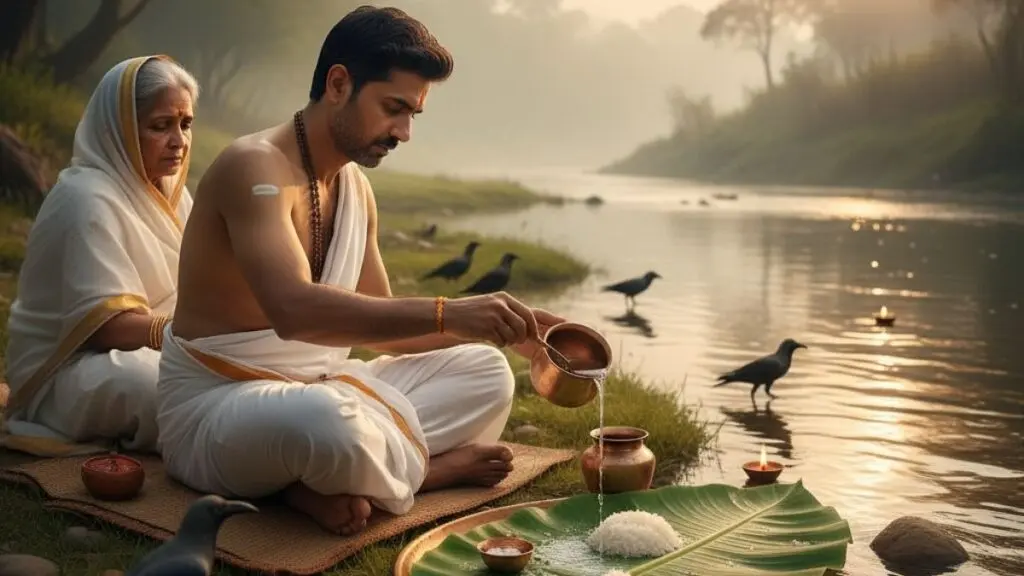
At Pashupatinath, priests performed an abhishek of the eight-faced Shivling with durva grass and Vedic hymns. A Tiranga Yatra and flag hoisting marked the event at Bade Ganesh Temple. The Pashupatinath tradition has been continuous since 1985.
The Indian Opinion
The early celebration is not eccentric but a genuine effort to honour national pride through indigenous timekeeping. Critics may dismiss it as ritualism, but the modest turnout of 250 devotees at Mandsaur suggests a grassroots rather than a political phenomenon. The temple committees are not rejecting August 15; they are adding a parallel observance. Will other shrines across India start matching national holidays to the Hindu calendar? That is the real test of how deep this cultural assertion runs.
Sources (2): rediff.com, businesstoday.in
This story was synthesised by AI from the 2 sources linked above.
Updated: this story now draws on 2 sources.