











Now Reading: Two states launch women-led rural service schemes
-
01
Two states launch women-led rural service schemes



Two state-level initiatives are enabling rural women to deliver essential services in their villages while earning incomes. In Bihar, the Bihar State Milk Co-operative Federation has launched ‘Sudha Sakhis’ to provide basic veterinary first aid, artificial insemination and scientific dairy farming guidance to livestock owners across all 8,053 panchayats by 2027. Women from all 38 districts underwent a six-day residential training programme from 31 August to 5 September. They will work as commission-based local service providers, not government employees, under the state’s Sahkar Se Samriddhi programme.
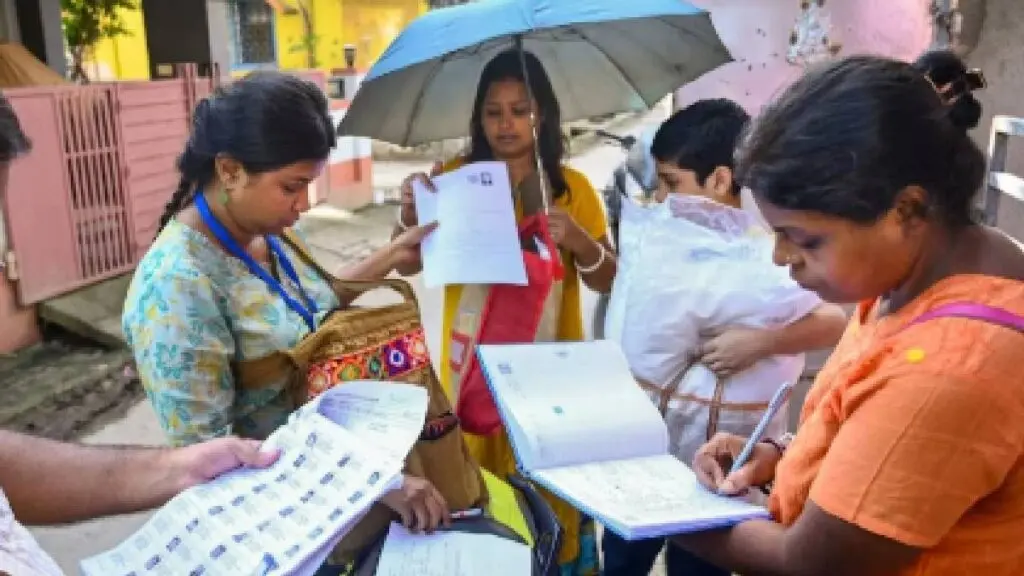
Separately, in Chandauli district, Uttar Pradesh, women working as ‘Bank Correspondent Sakhis’ under the National Rural Livelihoods Mission are delivering banking services such as cash deposits and withdrawals from panchayat buildings and through home visits for elderly or disabled residents. Participants like Jyoti Vishwakarma and Nasreen Bano report increased financial independence, community recognition and the ability to pay children’s school fees. The programmes aim to expand women’s economic participation in the dairy and banking sectors respectively.
Indian Opinion Analysis
The two sources report entirely different initiatives in different states, making direct framing comparison unnecessary. Both outlets deliver straight, neutral coverage of government programmes aimed at rural women’s economic participation. Times of India reports Bihar’s Sudha Sakhis veterinary training programme, while India Today profiles the BC Sakhi banking correspondent scheme in Chandauli, Uttar Pradesh. Neither article adopts a critical or partisan tone. The uniform reporting style across both outlets reflects wire-copy or press-release based coverage that foregrounds government aims and beneficiary quotes without independent scrutiny of implementation challenges. Readers should note that the stories share a structural similarity, both describe women becoming local service delivery agents for state-backed schemes, but cover separate geographies and sectors.
Coverage: 2 sources, 2 neutral
Sources (2): timesofindia.indiatimes.com (neutral report), indiatoday.in (neutral report)
This brief was synthesised by AI from the 2 sources linked above, so one read covers every framing they carry. Methodology and corrections.