

















Now Reading: Unpaid women’s work worth debated in cash transfer book
-
01
Unpaid women’s work worth debated in cash transfer book


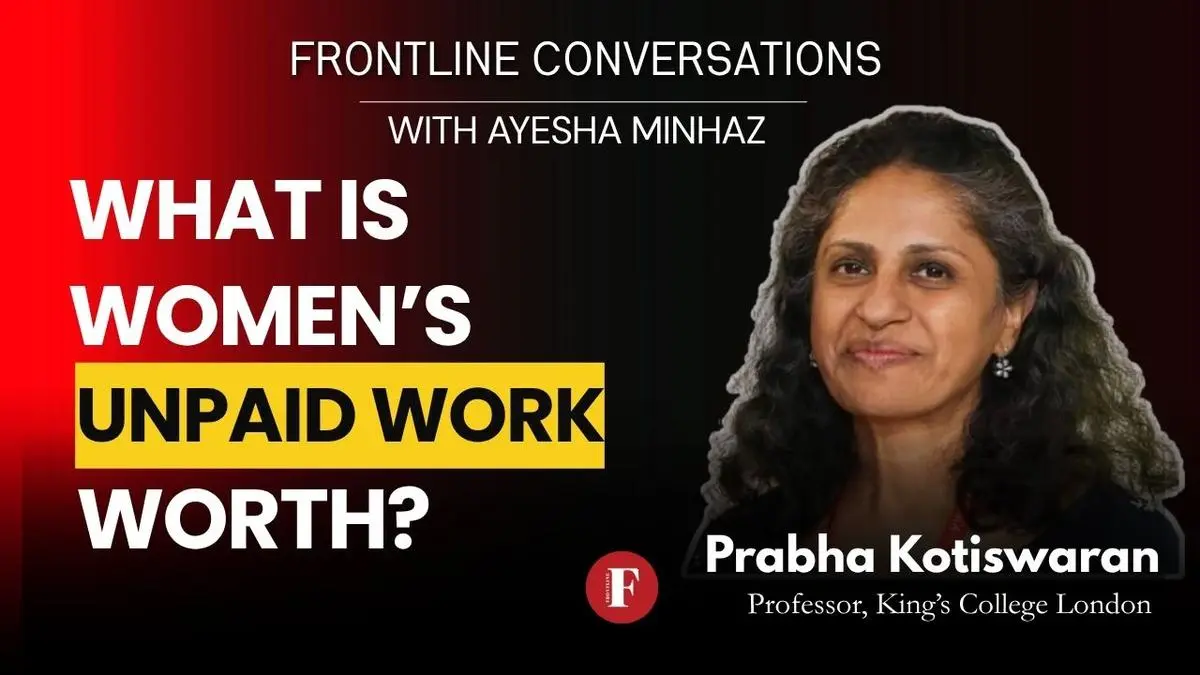
Frontline reports on a conversation with Prabha Kotiswaran, Professor of Law and Social Justice at King's College London, about her book 'Wages for Housework: India's Experiment with Unconditional Cash Transfers to Women'. The book examines India's use of unconditional cash transfers to women through feminist social reproduction theory, with field research in Goa, Assam, and West Bengal.
Kotiswaran discusses the feminist history behind 'wages for housework' and argues that recognising women's unpaid domestic and care work does not necessarily mean reinforcing it. She says unconditional cash transfers can be redistributive even when not fully transformative, especially for women with little control over household finances or those excluded from paid employment.
Addressing criticism that such schemes are electoral tools, Kotiswaran argues that women beneficiaries exercise agency in understanding welfare, the state, and their voting choices. She calls for feminist participation in designing cash transfer programmes, which must remain part of a broader agenda for gender equality and transforming the care economy.
Source: frontline.thehindu.com
This story was synthesised by AI from the source linked above. Methodology and corrections.