Now Reading: Anganwadi and ASHA workers become face of rural governance
-
01
Anganwadi and ASHA workers become face of rural governance



ASHA workers and Anganwadi didis are now the most visible face of governance in rural India, often the first point of contact between the state and remote households. Their work goes beyond…
The Story in Brief
ASHA workers and Anganwadi didis are now the most visible face of governance in rural India, often the first point of contact between the state and remote households. Their work goes beyond healthcare and nutrition to include counselling, behaviour change and tracking beneficiaries of welfare schemes. The Times of India reports that these frontline workers connect government programmes with the country's most isolated communities.
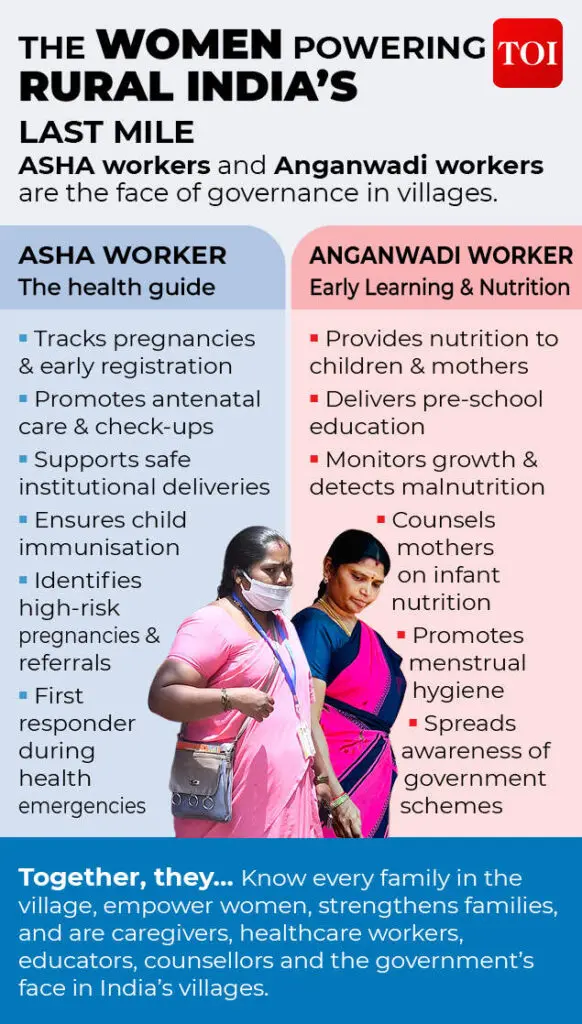
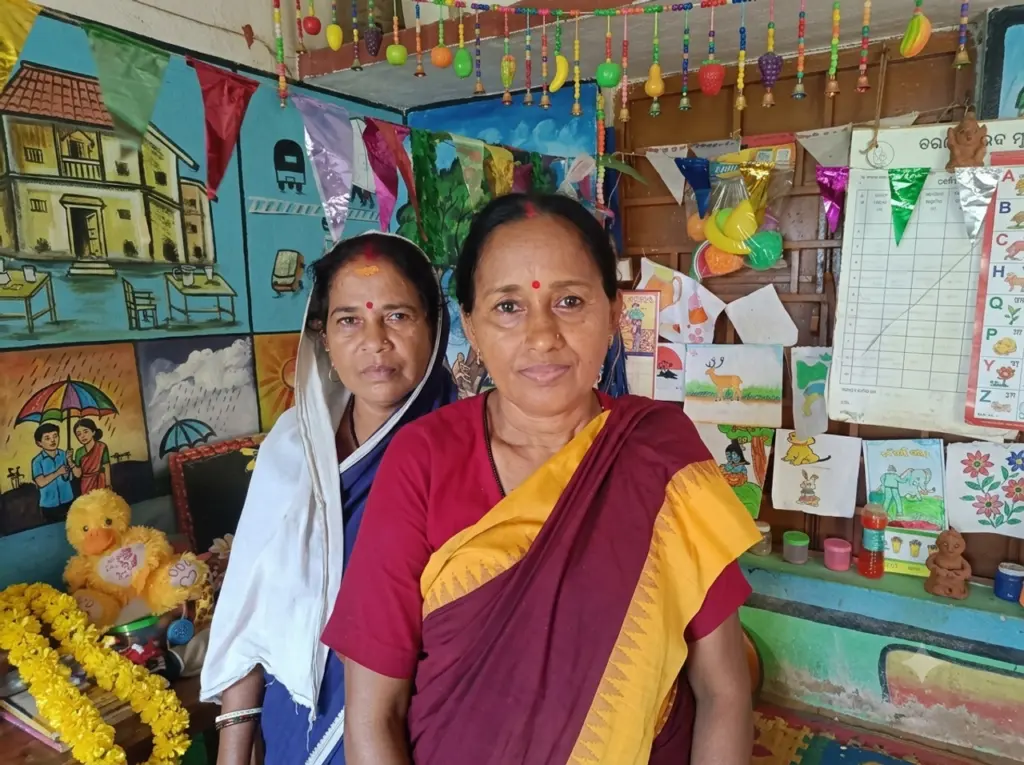
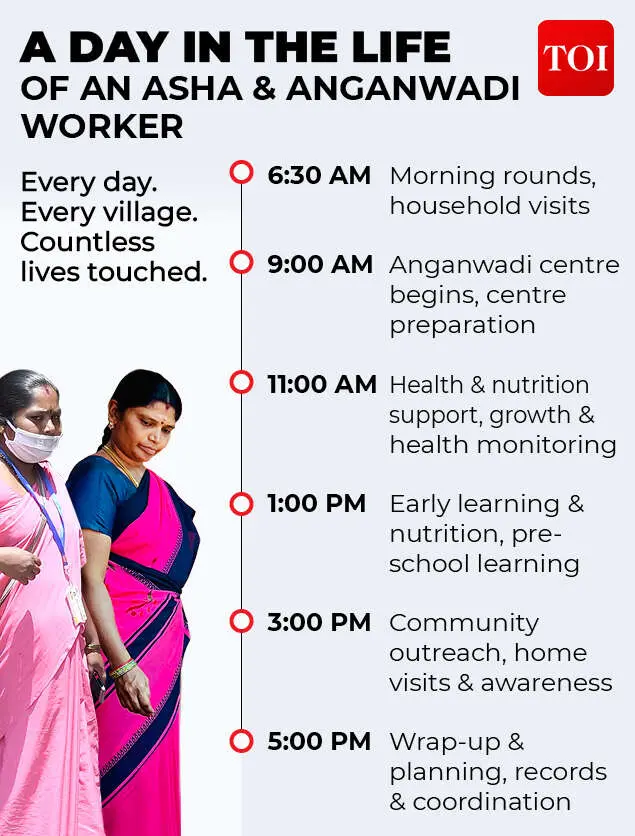
Vimla Kumari, an ASHA worker in Madhya Pradesh, describes days that start at five in the morning, involving home visits, vaccinations, and escorting women in labour to hospitals, sometimes travelling kilometres on foot. Shyama Devi, an Anganwadi worker, manages a centre with nutrition counselling and growth monitoring. Their daily work, often unnoticed nationally, shapes healthier mothers and better-nourished children.
The Indian Opinion
The romanticised image of these workers as selfless saviours hides a harder truth. They are paid modest honorariums, not proper salaries, and their workload keeps swelling with every new scheme. The Times of India story celebrates their dedication but skips a pointed question: when will the state fund them like the frontline workers they are? Watch for the next budget allocation to ASHA and Anganwadi workers. That number, not another feel-good profile, will show whether India's women-led development is real or rhetoric.
Source: timesofindia.indiatimes.com
This story was synthesised by AI from the source linked above.
Updated: this story now draws on 1 sources.