




















Now Reading: Housing the Republic review: biography of India’s Parliament and its democratic soul
-
01
Housing the Republic review: biography of India’s Parliament and its democratic soul

Housing the Republic review: biography of India’s Parliament and its democratic soul

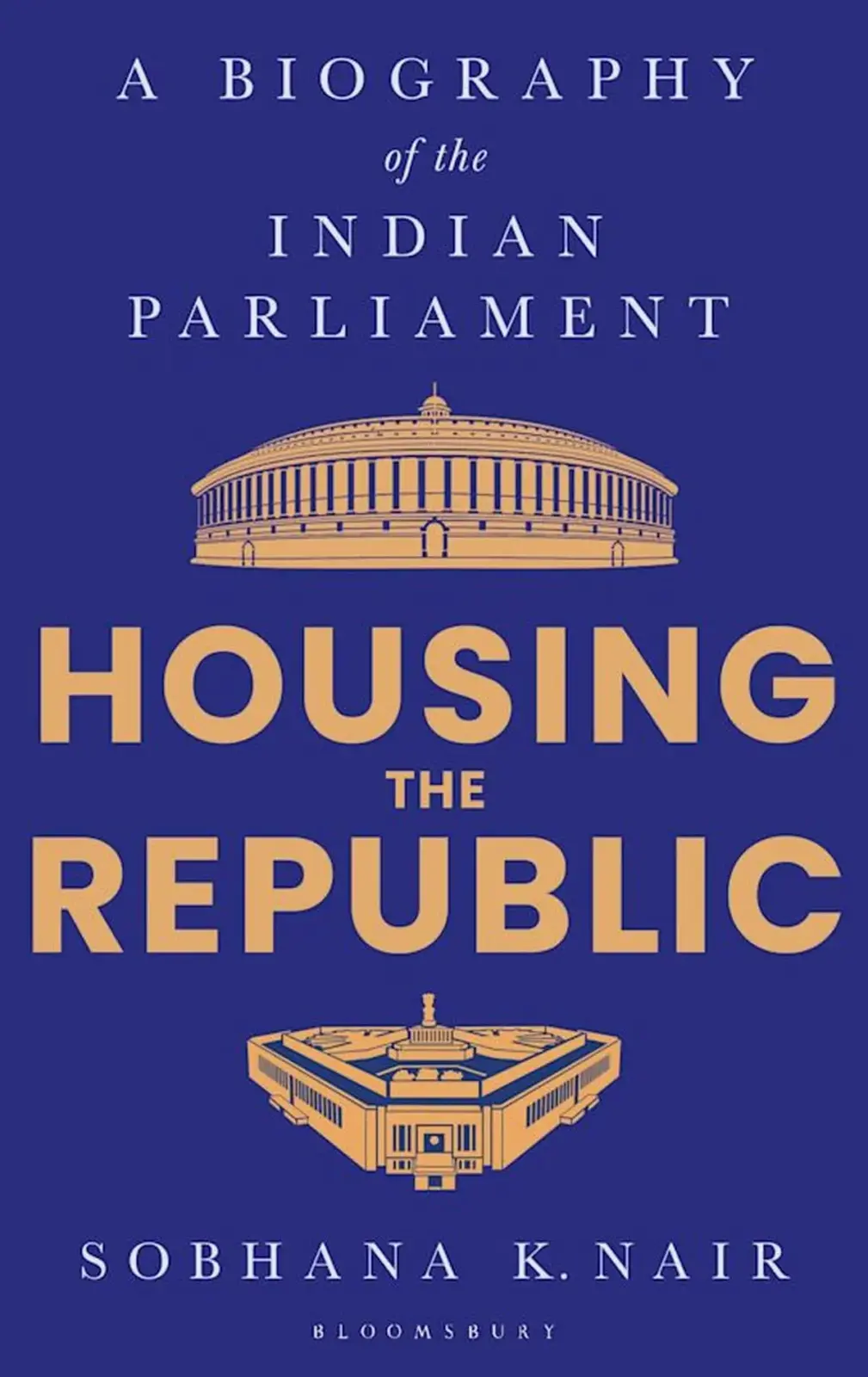
Sobhana K. Nair's book "Housing the Republic: A Biography of the Indian Parliament" has been reviewed in Frontline as a rare work that treats the building itself as a living witness to India's democratic journey. The review describes the book as an inquiry into whether a republic can survive merely by preserving institutions or must continually renew the ethical imagination that gave birth to them.
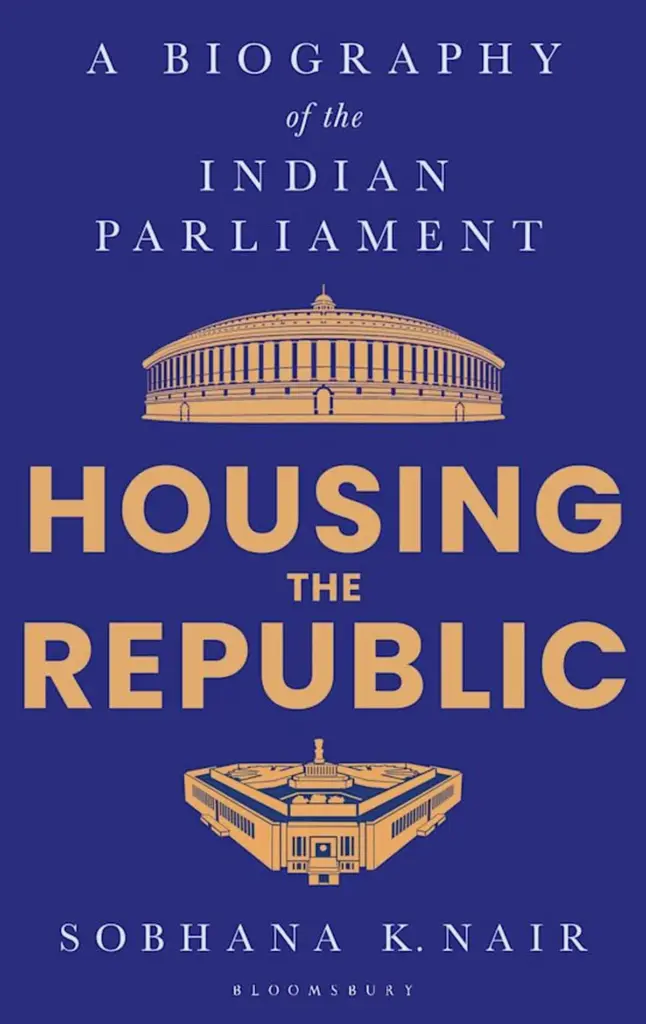
The review notes that Parliament is presented not as a monument but as a living organism that has absorbed eloquence of statesmanship and noise of political expediency. The book begins with what the author calls 'anticipatory grief', mourning a building before it disappears, reflecting on how replacing physical symbols risks rewriting moral memories. Nair argues that institutions derive authority not from constitutional provisions alone but from accumulated public trust built through continuity and shared meaning.
The book is published by Bloomsbury India, has 256 pages and is priced at Rs. 699. It is described as a meditation on memory, warning that modern political life often mistakes novelty for progress. The review draws parallels with Hannah Arendt's distinction between power and violence, emphasising that Parliament matters not because of its domes or columns but because it embodies the possibility of public reasoning over political domination.
Source: frontline.thehindu.com
This story was synthesised by AI from the source linked above. Methodology and corrections.