










Now Reading: UPI to levy MDR on merchant payments above Rs 2,000 from Oct 15
-
01
UPI to levy MDR on merchant payments above Rs 2,000 from Oct 15



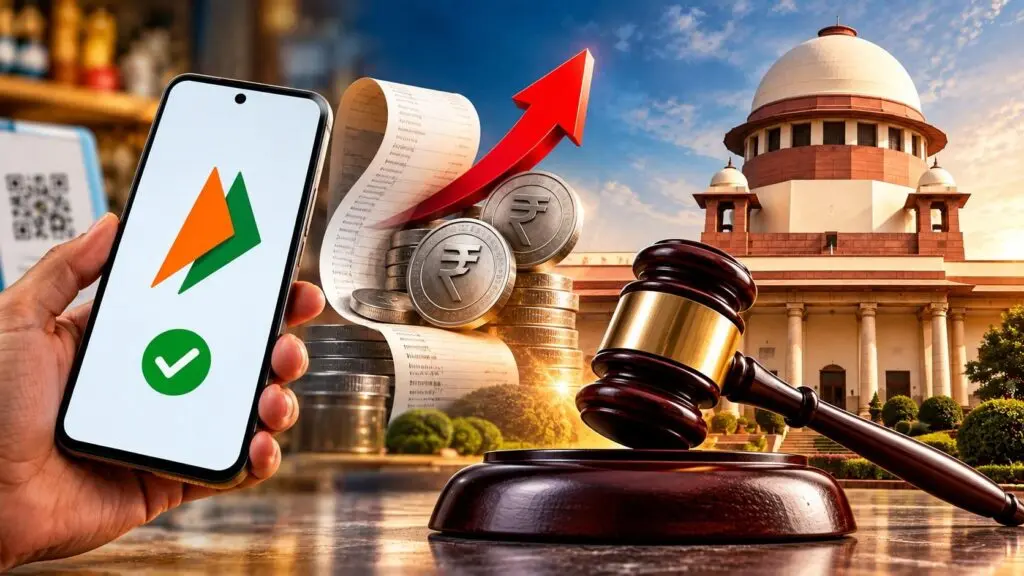
The government will introduce a Merchant Discount Rate (MDR) on certain UPI merchant transactions above Rs 2,000 from October 15, the National Payments Corporation of India announced. Merchants will pay 0.4% on…
The government will introduce a Merchant Discount Rate (MDR) on certain UPI merchant transactions above Rs 2,000 from October 15, the National Payments Corporation of India announced. Merchants will pay 0.4% on transactions above Rs 2,000, capped at Rs 300 for payments of Rs 75,000 or more. Consumers will not be charged, and person-to-person transfers remain free. Small merchants receiving up to Rs 1 lakh a month via UPI QR codes are exempt.

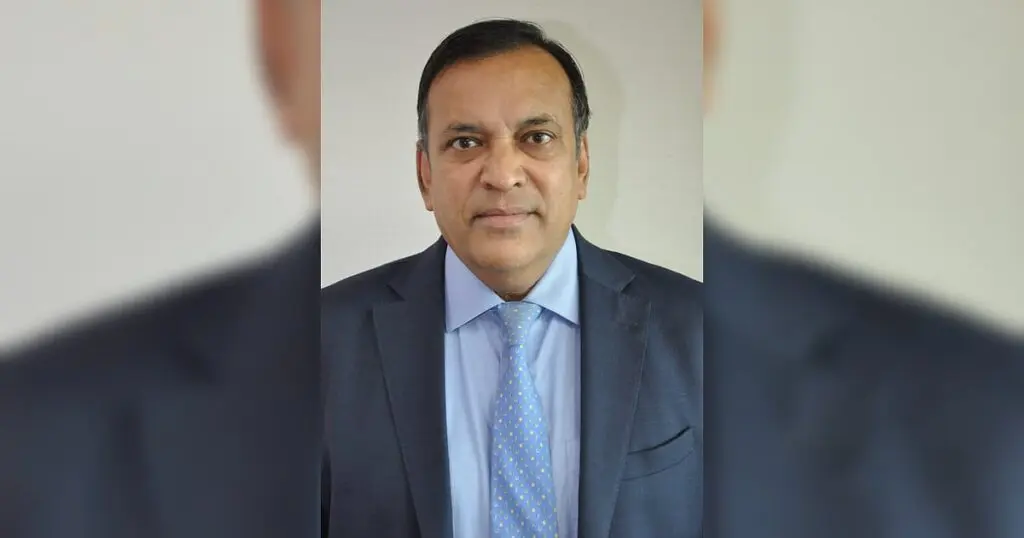
The move has sparked political debate. The Congress party accused the government of bowing to US pressure, which the finance ministry denied, calling the decision independent and aimed at a self-sustaining ecosystem. Brokerages raised target prices for Paytm, with Emkay Global projecting Rs 1,120 crore in UPI MDR revenue for Paytm in FY28. Former Infosys CFO Mohandas Pai said 96% of UPI transactions will not be affected by the charge.
Indian Opinion Analysis
The coverage splits along commercial and political lines. Livemint and Business Today focus on market upside and sustainability, emphasising broker upgrades and the argument that infrastructure costs must be covered. Hindustan Times leads with the government's denial of foreign influence and publishes detailed Q&A clarifications. Deccan Herald and NDTV Profit offer neutral straight reporting. The critical frame from Congress, calling the MDR a 'Modi tax', appears only in Hindustan Times, which gives it space but balances it with the government's rebuttal. The key test is merchant behaviour: if enough merchants revert to cash, the revenue projections for Paytm and the ecosystem will not materialise.
The first day of MDR collection, October 15, will show whether the carve-outs keep the volume shift minimal.
Coverage: 7 sources, 7 neutral
Sources (7): deccanherald.com (neutral report), livemint.com (neutral report), businesstoday.in (neutral report), businesstoday.in (2) (neutral report), ndtvprofit.com (neutral report), hindustantimes.com (neutral report), hindustantimes.com (2) (neutral report)
This brief was synthesised by AI from the 7 sources linked above, so one read covers every framing they carry.
Updated: this story now draws on 7 sources.