











Now Reading: UPI merchant fee of 0.4% on big payments from 15 October
-
01
UPI merchant fee of 0.4% on big payments from 15 October


The government will apply a 0.4 per cent Merchant Discount Rate on UPI payments above ₹2,000 from 15 October, but only on merchants whose monthly UPI collections exceed ₹1 lakh. The charge,…
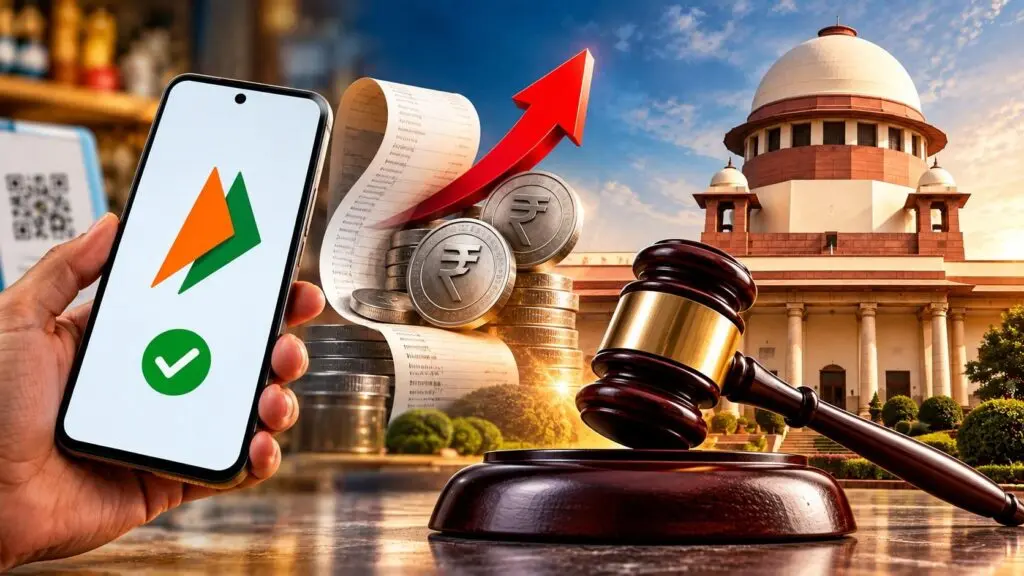
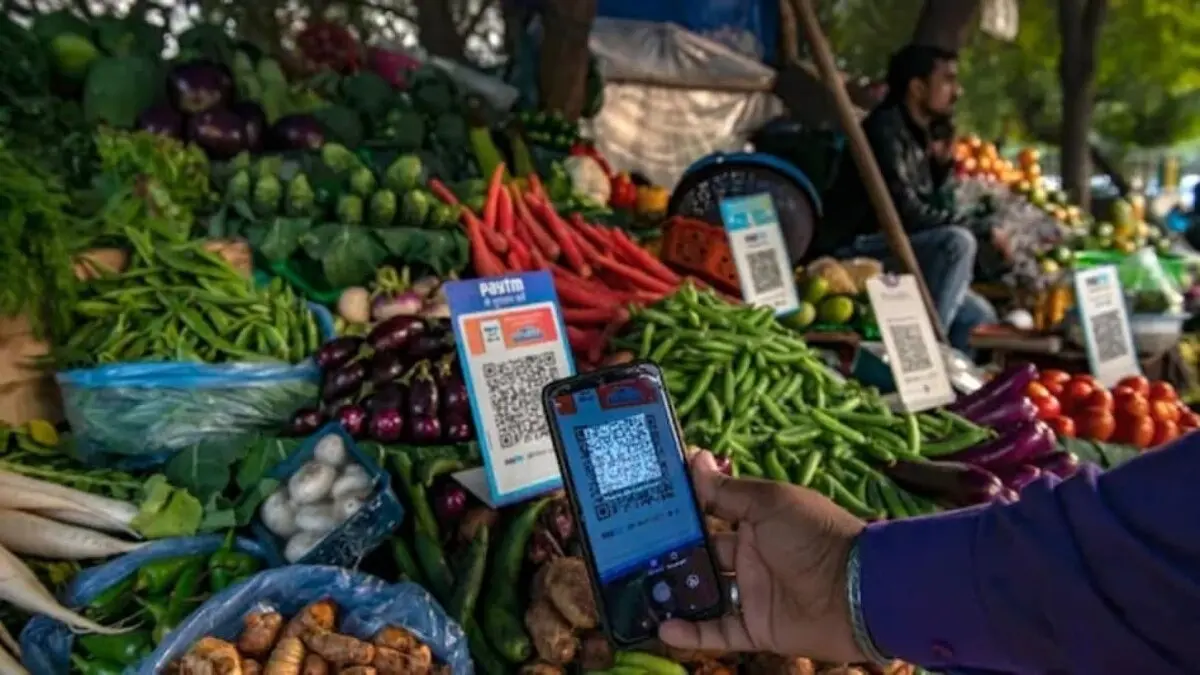
The government will apply a 0.4 per cent Merchant Discount Rate on UPI payments above ₹2,000 from 15 October, but only on merchants whose monthly UPI collections exceed ₹1 lakh. The charge, capped at ₹300 per transaction, must be borne by the merchant, not the customer. Person-to-person transfers and all payments up to ₹2,000 remain free.
Aaj Tak reports the government says over 96 per cent of small vendors, chai stalls, street vendors, grocery shops, will pay no fee because their daily bills rarely exceed ₹2,000. Small merchants with monthly UPI receipts of ₹1 lakh or less are exempt regardless of transaction size. The fee aims to bring informal trade into the formal banking and tax net, the government says.
Business Today notes that the new UPI MDR is lower than debit-card MDR for large merchants (up to 0.90 per cent) and less than variable credit-card charges. A Public Interest Litigation has been filed in the Supreme Court challenging the notification as unconstitutional, citing lack of public consultation. The new rule takes effect 15 October unless the court intervenes.
Indian Opinion Analysis
All four sources report the UPI MDR rule from 15 October factually, a uniform straight-reporting treatment. None question the government's claim that 96 per cent of small vendors will face no fee, and none test the burden on the borderline merchant whose monthly collection crosses the ₹1-lakh threshold. The Supreme Court challenge, noted by only one source, is the concrete fork ahead. That petition's hearing schedule will determine whether the rule holds or stalls.
Coverage: 4 sources, 4 neutral
Sources (4): aajtak.in (neutral report), aajtak.in (2) (neutral report), aajtak.in (3) (neutral report), bazaar.businesstoday.in (neutral report)
This brief was synthesised by AI from the 4 sources linked above, so one read covers every framing they carry.
Updated: this story now draws on 4 sources.