











Now Reading: UPI Stays Free for Users, MDR Only on Select Merchant Deals
-
01
UPI Stays Free for Users, MDR Only on Select Merchant Deals


The government has clarified that UPI transactions will remain free for users, with any future merchant discount rate (MDR) applying only to a limited set of high-value merchant payments above a certain…
The Story in Brief
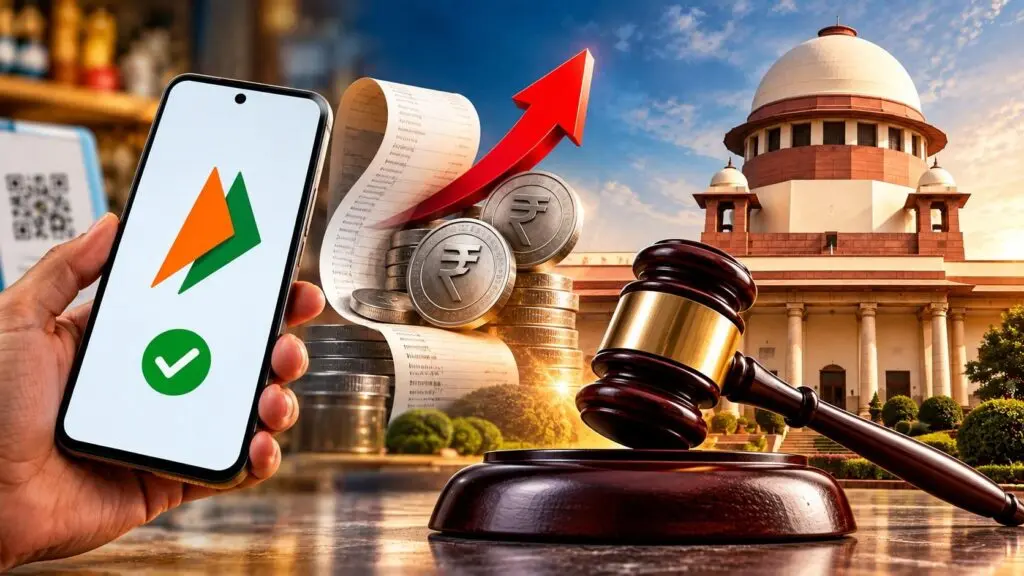
The government has clarified that UPI transactions will remain free for users, with any future merchant discount rate (MDR) applying only to a limited set of high-value merchant payments above a certain threshold. The Ministry of Finance said person-to-person transfers would continue to be charge-free, and any MDR levied would be at a nominal rate lower than debit or credit card MDRs.
The clarification follows the Lok Sabha passing the Taxation and Other Laws (Amendment) Bill, 2026, which amends the Payment and Settlement Systems Act, 2007. The government called the change an enabling provision, not an immediate imposition of charges. Any MDR will be decided by the UPI and Services Steering Committee headed by NPCI. UPI processed 2,366 crore transactions worth Rs 29.9 lakh crore in July 2026 alone.
The Indian Opinion
Fears that UPI will become costly for ordinary users are overblown. The government has said person-to-person transactions remain free, and any MDR would apply only to large merchants above a yet-unspecified turnover. But the industry’s claim that zero-MDR is unsustainable ignores that the same model drove UPI's explosive adoption. The real test will be the threshold and rate the NPCI committee sets. If MDR is kept below 0.1% and exempts most small merchants, the ecosystem can become self-funding without killing the habit that made UPI India's default payment rail.
Sources (3): timesnownews.com, thefederal.com, inc42.com
This story was synthesised by AI from the 3 sources linked above.
Updated: this story now draws on 3 sources.