Now Reading: Government clarifies UPI charges only for large merchant transactions
-
01
Government clarifies UPI charges only for large merchant transactions



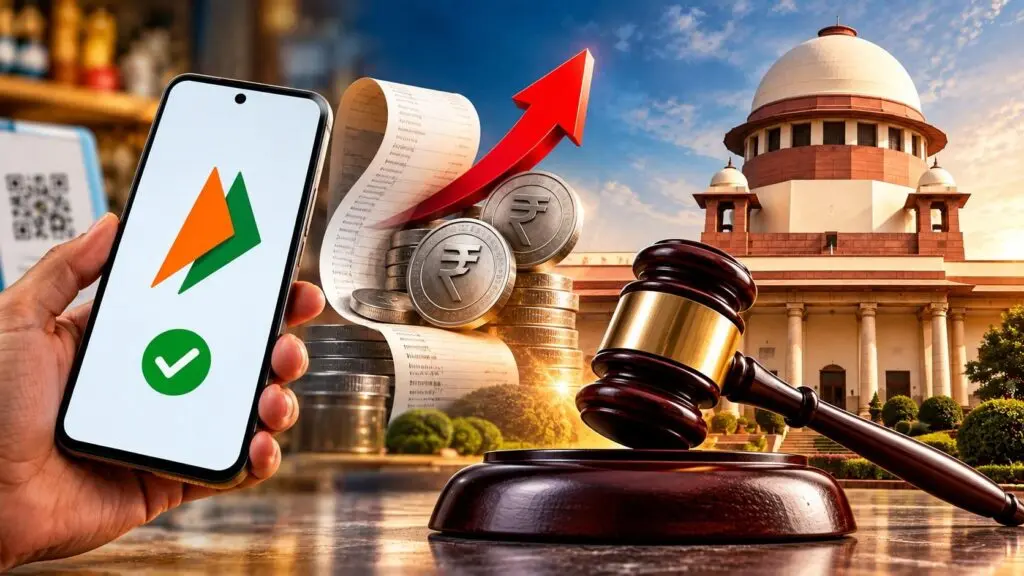
The government has clarified that UPI users will not be charged under a proposed Merchant Discount Rate (MDR), which will apply only to select merchant transactions above a certain threshold. Finance minister…
The Story in Brief
The government has clarified that UPI users will not be charged under a proposed Merchant Discount Rate (MDR), which will apply only to select merchant transactions above a certain threshold. Finance minister Nirmala Sitharaman said person-to-person transfers will remain free. The clarification follows the Lok Sabha's passage of the Taxation and Other Laws (Amendment) Bill, 2026, which removes the legal ban on levying MDR on electronic payments, Deccan Chronicle reports.
According to Deccan Chronicle, the MDR could be set at 0.5 to 0.75 per cent, lower than the one to three per cent charged by Visa and Mastercard. Only four per cent of UPI transactions exceed Rs 2,000, but these account for two-thirds of UPI payments by value. Experts warn merchants may pass on the charge to customers by embedding it in product prices or calling it a 'platform fee', though the government says it will prevent such practices.
The Indian Opinion
The MDR debate is a classic case of the left hand not knowing what the right is doing. The government wants a less-cash economy, yet it is giving banks a reason to make digital payments costlier. If even a fraction of merchants sneak a 'convenience fee' into the bill, customers will flee back to cash, killing the whole UPI miracle. The test is not what the law says but what happens at the next chai stall. Will the RBI's guard rails hold, or will the MDR become just another hidden tax on the common man? Watch for the fine print on platform fees.
Sources (3): deccanchronicle.com, deccanchronicle.com (2), ndtvprofit.com
This story was synthesised by AI from the 3 sources linked above.
Updated: this story now draws on 3 sources.