










Now Reading: US court clears way for 3,000 addiction lawsuits against Meta, Google, TikTok
-
01
US court clears way for 3,000 addiction lawsuits against Meta, Google, TikTok

US court clears way for 3,000 addiction lawsuits against Meta, Google, TikTok

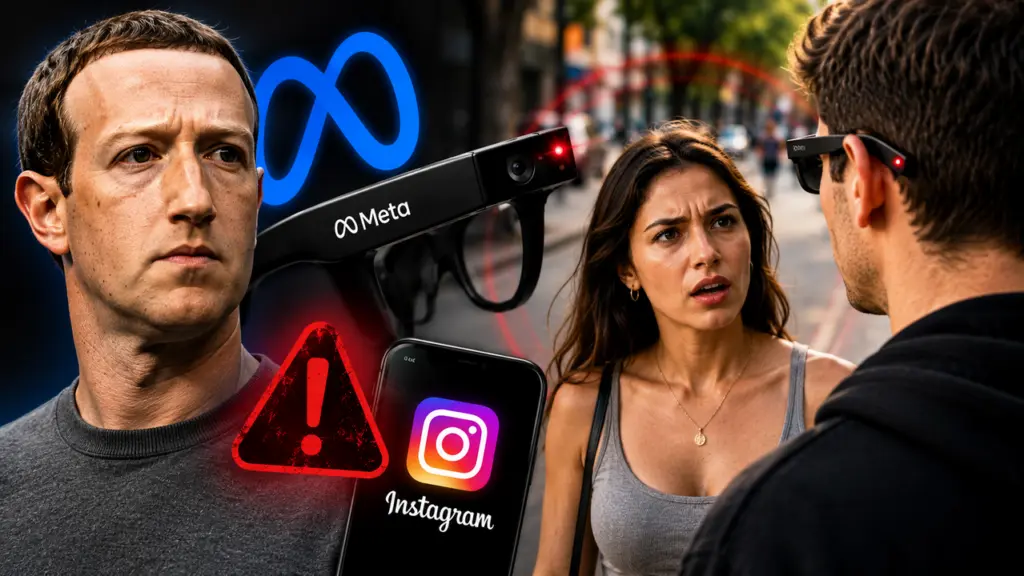
The 9th U.S. Circuit Court of Appeals has rejected an early appeal from Meta, Google, TikTok and Snap, allowing more than 3,000 lawsuits accusing them of designing addictive products for young users…
The Story in Brief
The 9th U.S. Circuit Court of Appeals has rejected an early appeal from Meta, Google, TikTok and Snap, allowing more than 3,000 lawsuits accusing them of designing addictive products for young users to proceed. The court ruled that Section 230 of the Communications Decency Act provides a defence against liability, not immunity from being sued, so the appeal was premature. The ruling clears the way for a trial brought by 29 state attorneys general against Meta, scheduled to start on 18 August in Oakland. Meta has called the states’ claims “unsubstantiated” and warned that damages could reach $1.4 trillion, while the states seek billions and app changes such as removing infinite scrolling. The Hindu reports that a New Mexico judge recently ordered Meta to pay $567 million into a teen mental health fund. Meta and Google have denied wrongdoing in related cases.
The Indian Opinion
The industry likes to paint Section 230 as a shield against any responsibility for harm its algorithms cause, while campaigners imply the companies knew everything and hid it. Both sides overreach. The law protects platforms from being sued over user content, not from lawsuits about how they designed their own products to hook children. The real test is what evidence emerges at trial. Meta’s internal research, if it shows designers deliberately exploited teenage psychology, will decide the case more than any legal doctrine.
Sources (2): thehindu.com, livemint.com
This story was synthesised by AI from the 2 sources linked above.
Updated: this story now draws on 2 sources.