















Now Reading: California turned sewage marshes into 307-acre bird sanctuary
-
01
California turned sewage marshes into 307-acre bird sanctuary



More than 300 bird species have been recorded at the Arcata Marsh and Wildlife Sanctuary in northern California, a 307-acre wetland that was built in 1986 to treat the city's sewage using…
The Story in Brief
More than 300 bird species have been recorded at the Arcata Marsh and Wildlife Sanctuary in northern California, a 307-acre wetland that was built in 1986 to treat the city's sewage using natural processes. The system replaced a costly regional treatment plant that would have required underwater pipelines, and instead created freshwater marshes, salt marshes, and tidal sloughs on a former lumber mill site and landfill.
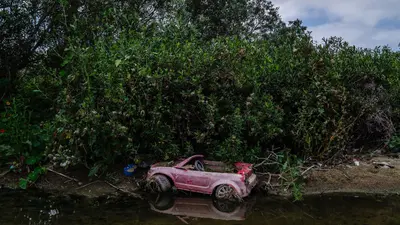
Constructed wetlands now treat about 50 lakh litres of sewage daily through a series of oxidation ponds and marshes planted with native bulrush. The project also provides habitat along the Pacific Flyway and has turned a heavily disturbed waterfront into a thriving ecosystem, showing how wastewater can be managed as a resource.
The Indian Opinion
The story of Arcata is often held up as proof that wealthy countries alone can afford green infrastructure. But the city built this on a modest budget, rejecting a costly central plant. The real lesson is about political will and local experimentation. Indian cities, drowning in untreated sewage, rarely pilot such decentralised wetland systems. The question is not whether it works, but whether our municipal bodies are willing to learn from a small town in California.
Source: timesofindia.indiatimes.com
This story was synthesised by AI from the source linked above.
Updated: this story now draws on 1 sources.