














Now Reading: US House advances bill allowing 100% tariffs on India over Russian oil
-
01
US House advances bill allowing 100% tariffs on India over Russian oil

US House advances bill allowing 100% tariffs on India over Russian oil

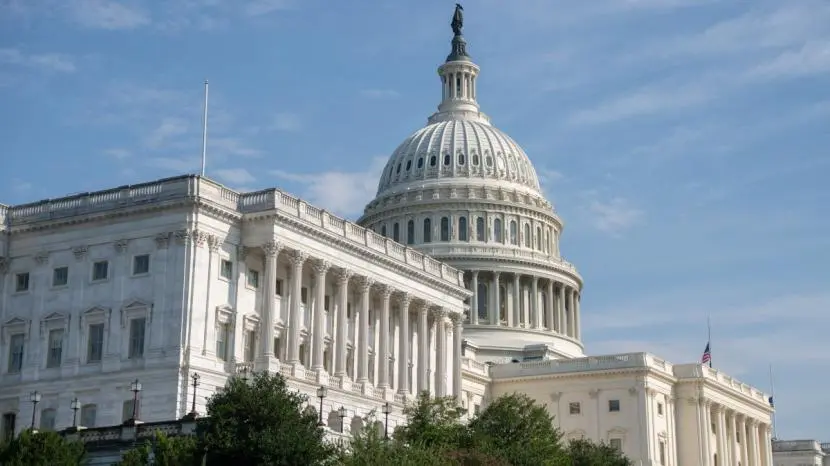
The US House of Representatives voted 214-211 to advance a bill that could authorise President Donald Trump to impose 100 per cent tariffs on India and other large buyers of Russian oil…
The US House of Representatives voted 214-211 to advance a bill that could authorise President Donald Trump to impose 100 per cent tariffs on India and other large buyers of Russian oil and gas. The Lindsey O Graham Sanctioning Russia and Iran Act of 2026 cleared a procedural hurdle on Tuesday evening after two Democratic lawmakers voted with the Republicans. The bill, which the Senate passed 86-11 in August, is expected for a final House vote on Wednesday.
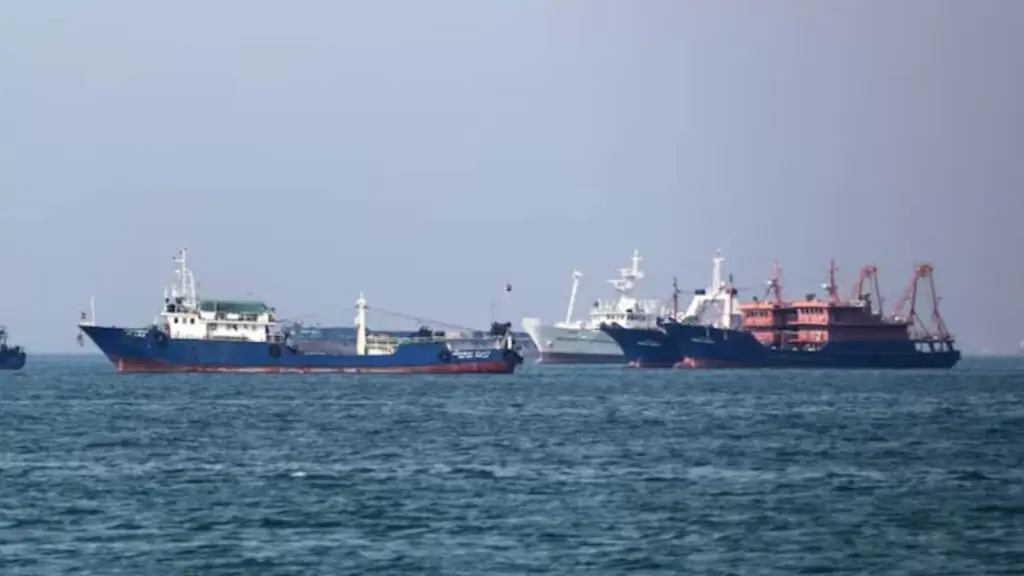
The legislation would impose sanctions on Russia's energy sector, officials, and the shadow fleet used to evade oil delivery limits. It also extends the Iran Sanctions Act. Democratic opposition has warned the bill grants unchecked tariff authority. If passed by the House and signed by the President, India's exports to the US could face a 100 per cent tariff. The House enters early recess on Thursday.
Indian Opinion Analysis
All three outlets cover the Russia sanctions bill as straight news, reporting the procedural House vote on Tuesday that cleared the bill for a final vote expected Wednesday. Rediff.com adds the detail that two Democrats broke ranks to vote with Republicans, while NDTV and India Today focus on the 100 per cent tariff threat to India. No outlet gives the bill a partisan or ideological slant. The uniform framing means the key question is not about media bias but about legislative probability: the House is expected to pass a bill the Senate already approved 86-11. If it does, President Trump would have authority to impose 100 per cent tariffs on India's exports. The House vote on Wednesday is the next concrete juncture.
Coverage: 3 sources, 3 neutral
Sources (3): ndtv.com (neutral report), rediff.com (neutral report), indiatoday.in (neutral report)
This brief was synthesised by AI from the 3 sources linked above, so one read covers every framing they carry.
Updated: this story now draws on 3 sources.