










Now Reading: US Senate passes bill allowing 100% tariffs on India, China
-
01
US Senate passes bill allowing 100% tariffs on India, China


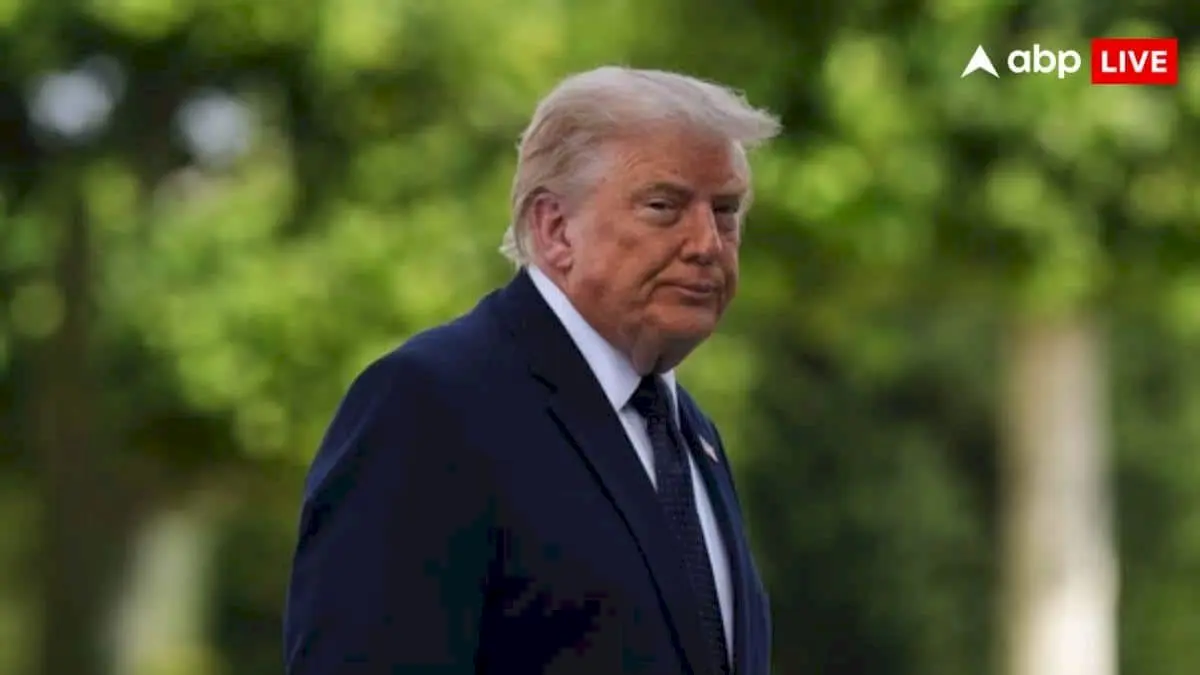
The US Senate passed the Lindsey O. Graham Sanctioning Russia and Iran Act of 2026 by an 86-11 vote, allowing President Donald Trump to impose 100% tariffs on goods from the top…
The Story in Brief
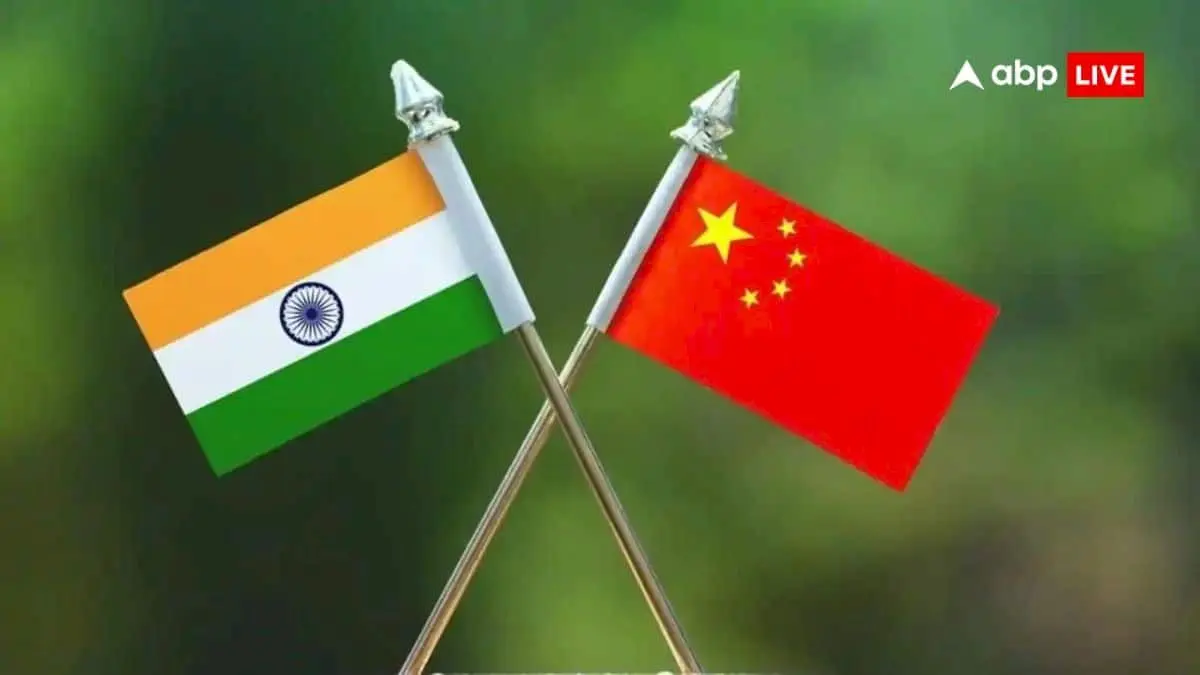
The US Senate passed the Lindsey O. Graham Sanctioning Russia and Iran Act of 2026 by an 86-11 vote, allowing President Donald Trump to impose 100% tariffs on goods from the top five importers of Russian oil and gas: China, India, Azerbaijan, Hungary and Slovakia. The bill also extends the Iran Sanctions Act of 1996 until 2031 and imposes sanctions on Russian leaders and financial institutions. It now moves to the House of Representatives for approval when it reconvenes on August 31.
Senator Ron Wyden opposed the bill, calling it a 'dangerous mistake' that grants Trump sweeping tariff powers, raises US consumer prices, and harms allies. Democratic Congressmen Gregory Meeks and Don Beyer criticised the legislation for creating 'sweeping new tariff authorities that the president could weaponise with abandon'. However, Trump retains discretion to waive, delay or modify the penalties, meaning India would not automatically face tariffs, and the broader India-US strategic partnership could influence any final decision.
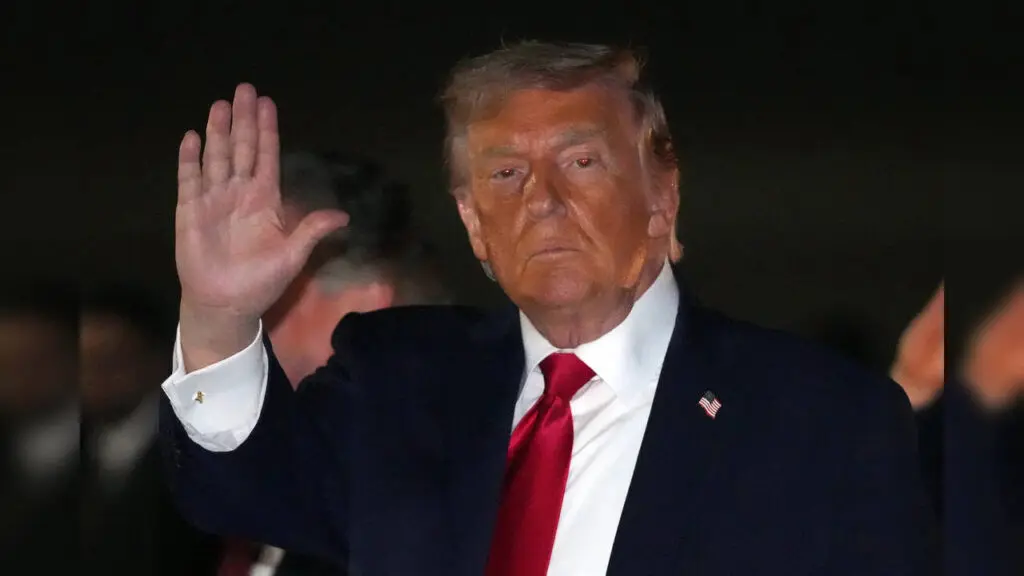
The Indian Opinion
The narrative that India is being singled out for its Russian oil purchases ignores the bill's broader targeting of all top five importers, including EU allies Hungary and Slovakia. Equally exaggerated is the claim of an automatic tariff, President Trump retains full discretion to waive penalties, and India’s strategic ties on defence and Indo-Pacific cooperation offer strong leverage. The real test will be whether the House amends the bill to require mandatory tariffs, stripping that waiver power and forcing a hard choice between Russian energy and American market access.
Sources (4): news.abplive.com, timesnownews.com, businesstoday.in, thefederal.com
This story was synthesised by AI from the 4 sources linked above.
Updated: this story now draws on 4 sources.