













Now Reading: USCIS Can Deny Incomplete Immigration Applications Without Seeking More Evidence
-
01
USCIS Can Deny Incomplete Immigration Applications Without Seeking More Evidence

USCIS Can Deny Incomplete Immigration Applications Without Seeking More Evidence

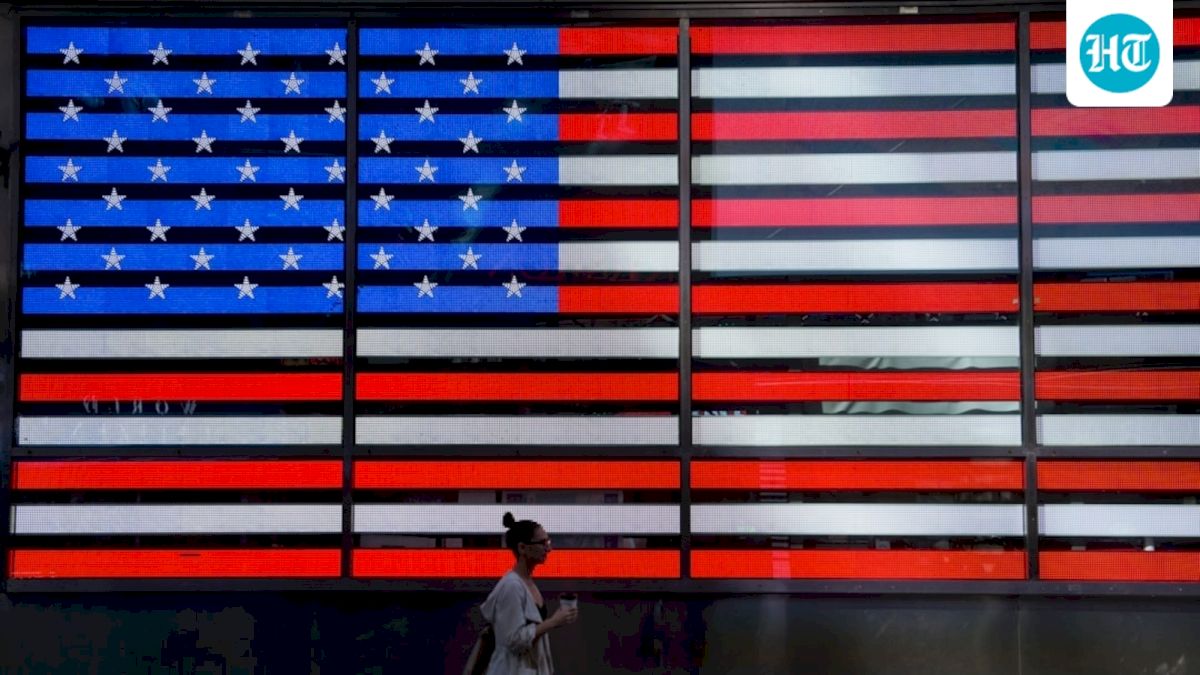
US Citizenship and Immigration Services changed its policy on 5 August 2026, allowing officers to deny immigration benefit applications that lack required documents or proof of eligibility without first seeking additional evidence.…
The Story in Brief
US Citizenship and Immigration Services changed its policy on 5 August 2026, allowing officers to deny immigration benefit applications that lack required documents or proof of eligibility without first seeking additional evidence. Requests for Evidence or Notices of Intent to Deny may still be issued where appropriate. The rule applies to pending applications and filings made from that date, unless other regulations or USCIS policy apply.
The agency said the move will curb frivolous or placeholder filings, improve processing and restore officer discretion. It could affect thousands of Indian applicants in categories including H-1B, L-1, EB-1, EB-2 and EB-3. Former Biden adviser Ajay Bhutoria, cited by Mint through ANI, called the policy unfair to genuine applicants and said minor errors could lead to outright rejection.
The Indian Opinion
The loudest claims are that every incomplete form will now be rejected, or that the rule targets Indians. Neither follows from the sources. USCIS retains the option to issue an RFE or NOID, while the agency and its critics disagree on whether faster denials or more re-filings will reduce delays. Applicants should focus on complete initial evidence. Future denial rates and processing times will show whether the policy improves administration or merely shifts work to applicants and lawyers.
Sources (2): hindustantimes.com, livemint.com
This story was synthesised by AI from the 2 sources linked above.
Updated: this story now draws on 2 sources.