












Now Reading: Sai Paranjpye remembers Bombay of chawls, mill workers, shared lives
-
01
Sai Paranjpye remembers Bombay of chawls, mill workers, shared lives

Sai Paranjpye remembers Bombay of chawls, mill workers, shared lives

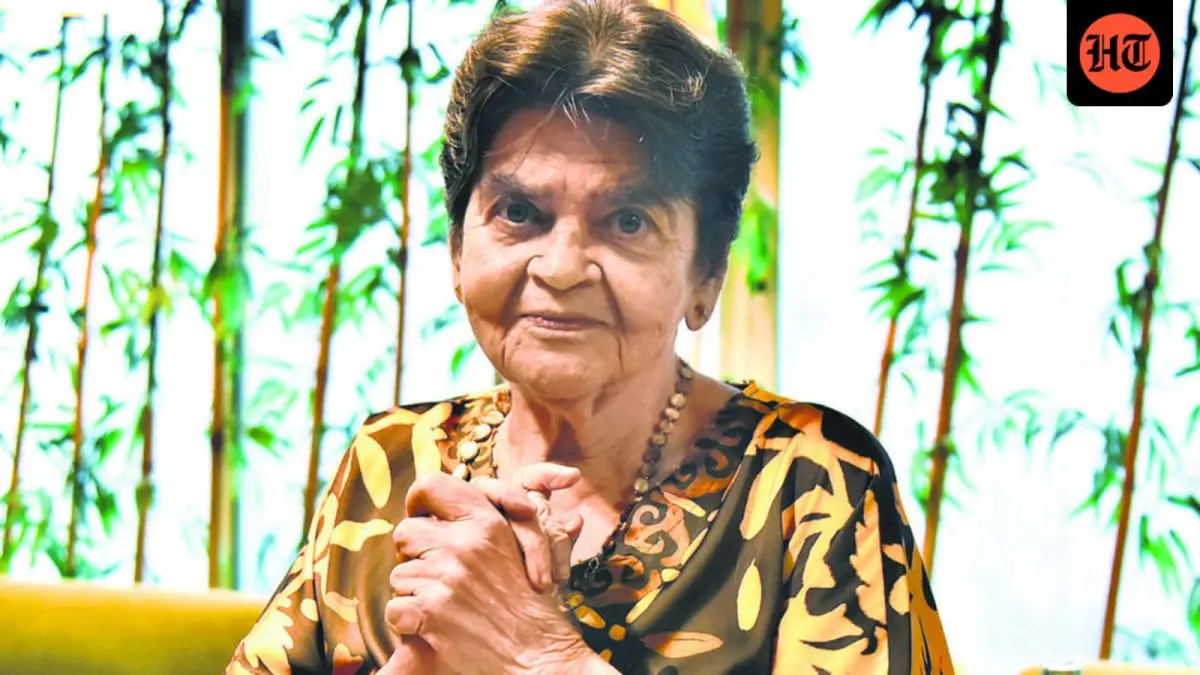
Filmmaker Sai Paranjpye, 88, recalls that the Bombay she carries in memory smells of kerosene and wet cotton, not the sea or Marine Drive. She remembers the now-vanished Girangaon mill district with…
The Story in Brief
Filmmaker Sai Paranjpye, 88, recalls that the Bombay she carries in memory smells of kerosene and wet cotton, not the sea or Marine Drive. She remembers the now-vanished Girangaon mill district with its chawls, gaalas and BDD neighbourhoods where workers returned from shifts, washed clothes at common taps and shared weak yellow bulbs. For Paranjpye, Bombay was not a city of landmarks but a fragile emotional ecosystem of ordinary lives, quarrels through thin walls, pressure cookers in chorus, and exhausted office-goers discussing politics at bus stops. She says the city’s enforced intimacy shaped her creative process more than any style or movement.
The Indian Opinion
The lazy narrative around Sai Paranjpye is that she was a filmmaker caught between mainstream and parallel cinema. But her own words show she simply chose to be truthful to ordinary people. That is a different kind of courage. Her Bombay was not Marine Drive but the smell of wet cotton and kerosene in Girangaon. The question that lingers: will today’s vertical, anonymous city still produce artists who notice the ordinary, or will efficiency kill that intimate, horizontal solidarity she calls essential?
Source: hindustantimes.com
This story was synthesised by AI from the source linked above.
Updated: this story now draws on 1 sources.