









Now Reading: What psychiatric genetics can and cannot tell Indian families
-
01
What psychiatric genetics can and cannot tell Indian families


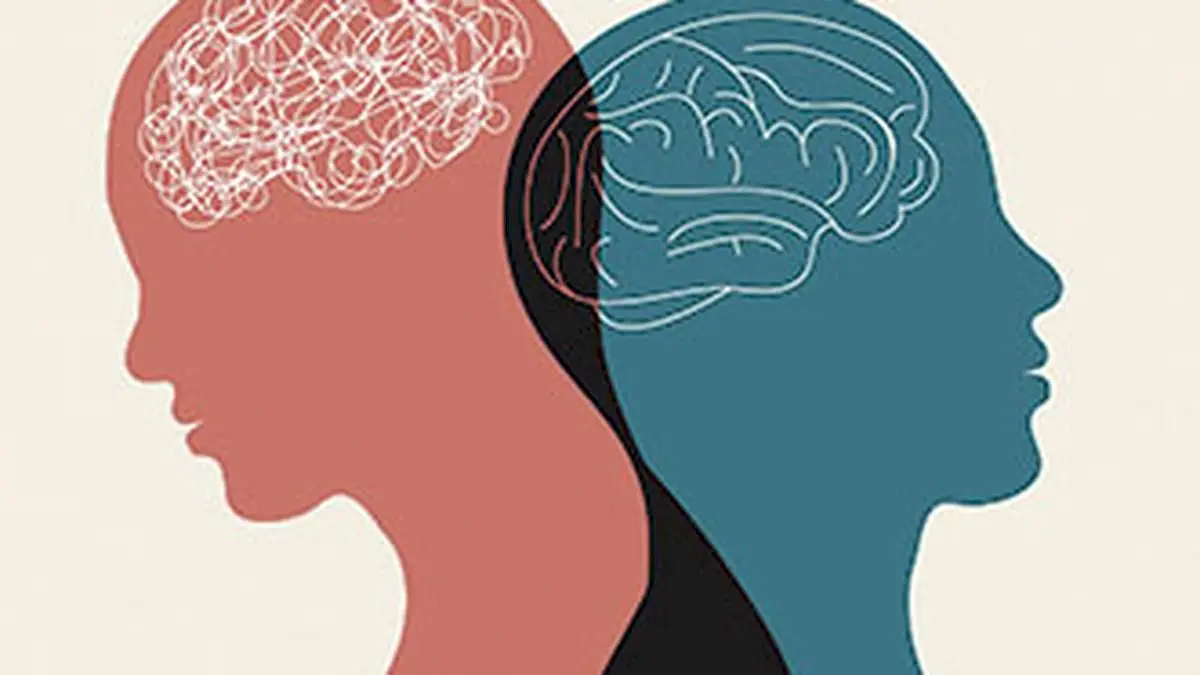
When a young man had his first psychosis episode, his parents asked if their bloodline caused it. The Hindu reports that families rarely seek psychiatric genetics out of curiosity but for relief…
The Story in Brief
When a young man had his first psychosis episode, his parents asked if their bloodline caused it. The Hindu reports that families rarely seek psychiatric genetics out of curiosity but for relief from blame. Genome-wide association studies (GWAS) have made progress, identifying 287 genomic regions linked to schizophrenia in a 2022 study and 64 for bipolar disorder in 2021, but risk is polygenic, combining thousands of variants with environment and chance.
Polygenic risk scores, compressing small effects into one number, cannot predict if someone will become ill or how severe it will be. The International Society of Psychiatric Genetics warns they are not accurate enough for clinical prediction. Indian psychiatrists face added caution: most genomic databases are based on European ancestry, and the GenomeIndia project found vast diversity across 83 groups, making imported scores unreliable.
The Indian Opinion
This report pushes back against the lazy narrative that a simple genetic test can predict mental illness. Indian families, often burdened by stigma about 'bloodline' defects, should not be sold false certainty by polygenic risk scores. The real test is whether doctors will properly communicate the uncertainty: genes are not destiny, and a score cannot capture childhood adversity or access to care. Will regulators ensure such tests are not marketed directly to anxious parents before they are validated for Indian genomes?
Source: thehindu.com
This story was synthesised by AI from the source linked above.