















Now Reading: Study finds human gene knockouts widespread across populations
-
01
Study finds human gene knockouts widespread across populations



A large study from Pakistan, published in Nature, has found that about one in five people carry at least one gene where both copies are naturally switched off. Among 1,73,303 participants, researchers…
The Story in Brief
A large study from Pakistan, published in Nature, has found that about one in five people carry at least one gene where both copies are naturally switched off. Among 1,73,303 participants, researchers identified such 'human knockouts' across 6,476 genes, nearly a third of all protein-coding genes in humans. The Pakistan Genome Resource, analysed in June 2026, revealed that 47% of coding variants found were not previously seen in non-South-Asian populations.
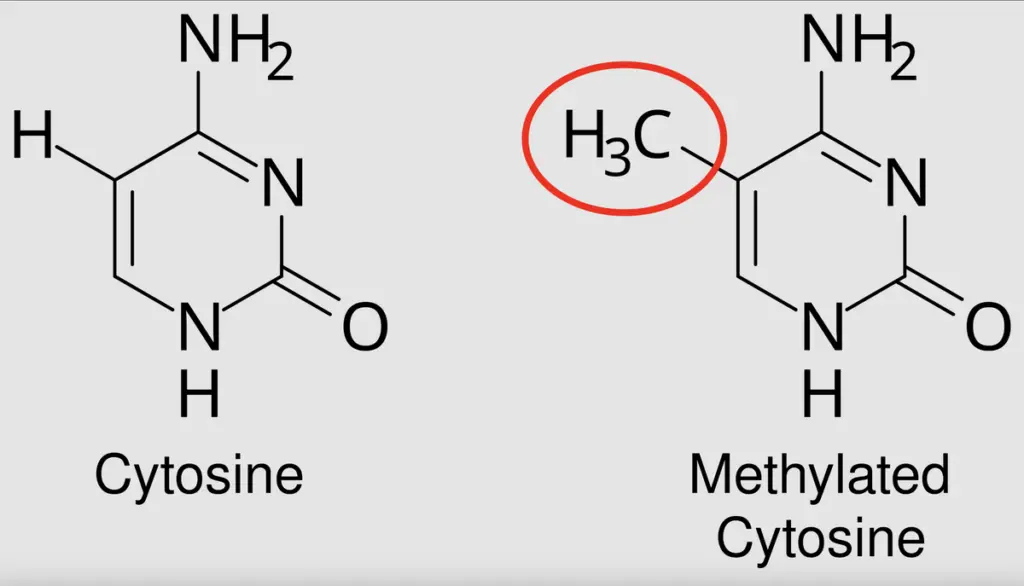
The study builds on earlier work from 2017, which showed that individuals lacking functional copies of the APOC3 gene had lower triglyceride levels, later helping develop the drug olezarsen. Separately, researchers at Johns Hopkins School of Medicine found in mice that epigenetic modifications, chemical changes that switch genes on or off without altering DNA sequence, can break Mendelian inheritance rules, with implications for human health.
The Indian Opinion
The hype around 'gene knockout' studies often sells a fantasy of designer medicine arriving tomorrow. This Pakistani study is more useful: it shows that losing a gene does not always mean disease, and sometimes a missing protein is harmless or even helpful. That should quiet the breathless coverage of every new gene variant as a 'discovery of the cause' of something. The real test is whether drugmakers will now invest in targets this study validates for common Indians, or only chase the same few markets. Watch for trials of medicines based on APOC3 or PLA2G7 knockouts in South Asian populations within five years.
Sources (2): thehindu.com, thehindu.com (2)
This story was synthesised by AI from the 2 sources linked above.
Updated: this story now draws on 2 sources.