












Now Reading: Why Commercial Ketchup Can Stay Safe Beyond Its Printed Date
-
01
Why Commercial Ketchup Can Stay Safe Beyond Its Printed Date


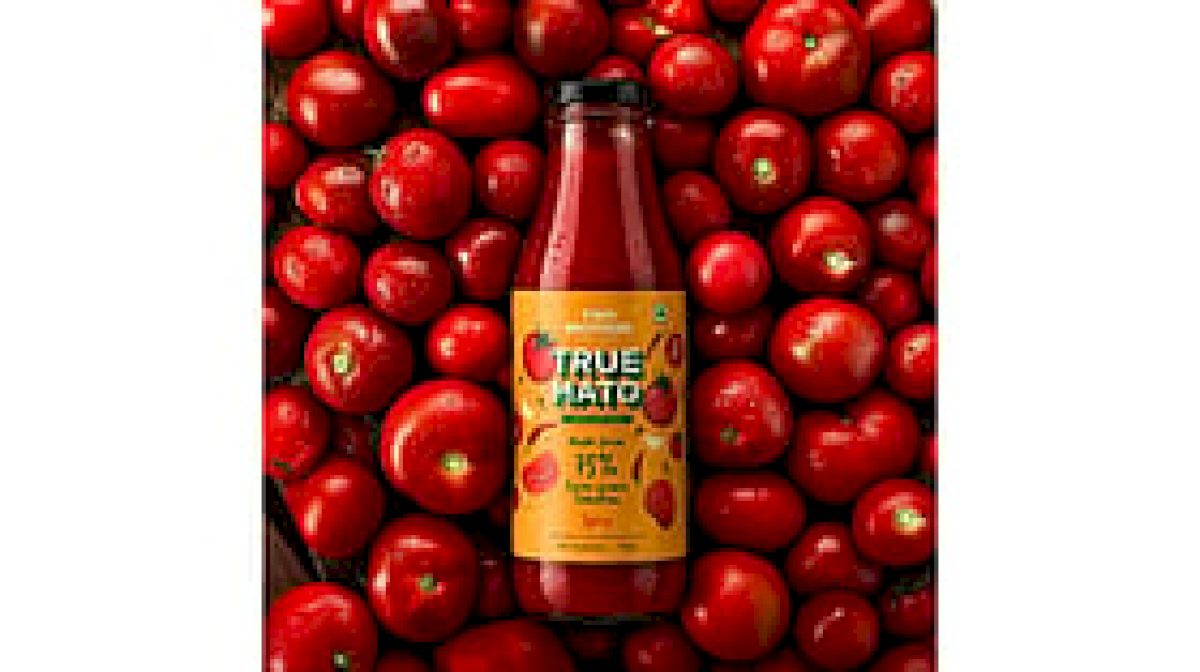
Unopened commercial ketchup can remain safe for a year or two beyond its printed date, Deccan Herald reports. Its durability comes from several safeguards working together: vinegar creates acidity, concentrated tomato solids…
The Story in Brief
Unopened commercial ketchup can remain safe for a year or two beyond its printed date, Deccan Herald reports. Its durability comes from several safeguards working together: vinegar creates acidity, concentrated tomato solids reduce moisture, while sugar, salt, heat processing and protective packaging limit bacterial growth. Ketchup typically has a pH of about 3.3 to 4.0.
Deccan Herald says Heinz chemists in the late 1800s increased tomato pulp and balanced it with sugar and vinegar to avoid sodium benzoate. Many Indian brands still use the permitted preservative. Under heat or light, sodium benzoate and vitamin C can form small amounts of benzene. Preservative-free ketchup needs tight pH, acidity and microbiological controls because tomato paste varies.
The Indian Opinion
Claims that ketchup is either entirely harmless or dangerously chemical oversimplify the issue. The article explains several barriers to bacterial growth, but gives no measured benzene levels or evidence of typical exposure during storage and use. Nor does preservative-free automatically mean safer, since consistent control is technically demanding. Consumers should check storage conditions and manufacturers should publish testing data. The useful number to watch is the measured benzene level, not the word “natural” on a label.
Source: deccanherald.com
This story was synthesised by AI from the source linked above.