




















Now Reading: Monsoon food safety: leafy greens, mushrooms to avoid
-
01
Monsoon food safety: leafy greens, mushrooms to avoid


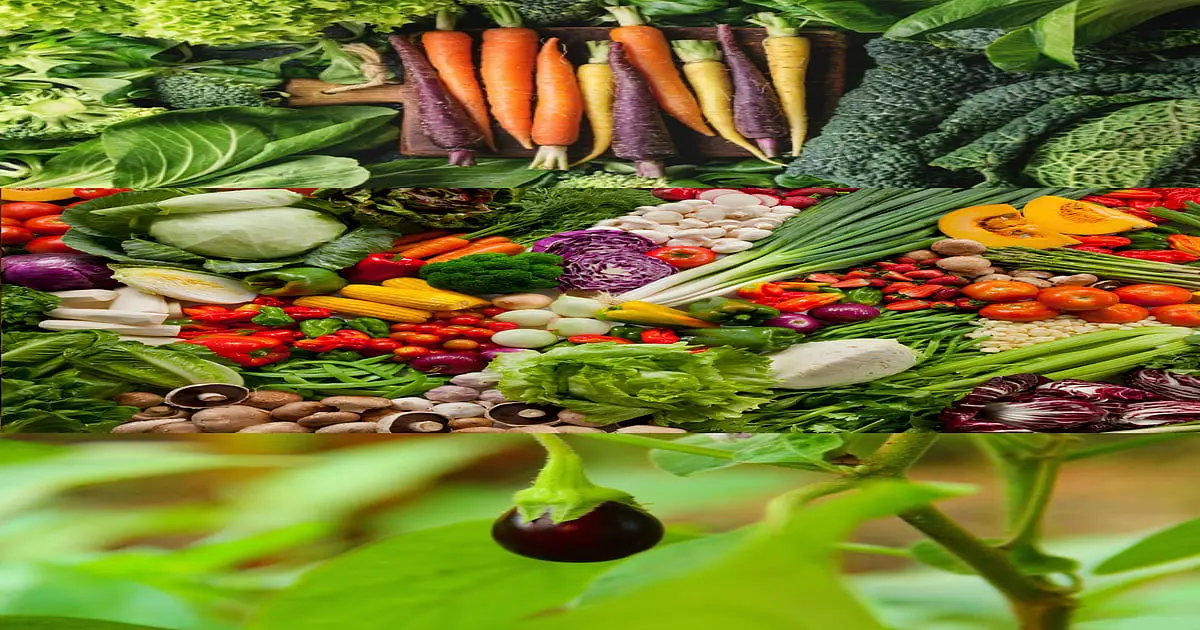
High humidity and moist soil during the monsoon season promote rapid growth of germs, bacteria, and fungi, making certain vegetables risky to consume. Chaulai (amaranth or rajgira) should be avoided because insect larvae grow rapidly on its leaves, raising the risk of stomach infections and food poisoning. Mushrooms are also not recommended as moist conditions lead to rapid spoilage, mold growth, and harmful bacteria retention.
Brinjal can cause digestive issues like gas and bloating due to insects common during this season. Cauliflower may harbour tapeworms invisible to the naked eye, which can reach the brain and stomach and be deadly. Cabbage's tight leaves create hiding spots for tiny insects, worm eggs, and dirt. Root vegetables such as radish, carrot, and potato develop underground in water-saturated conditions and should be restricted.
Indian Opinion Analysis
This guide reflects standard monsoon food safety advice in India, where humidity and rain increase microbial and pest activity. The warnings target vegetables with crevices or porous surfaces that trap moisture and contaminants. Leafy greens and underground crops are especially vulnerable. Consumers should wash produce thoroughly and consider cooking vegetables to reduce risk. The Mumbai health alert referenced in the source notes a rise in malaria and H1N1 cases, underscoring the broader seasonal health challenge. The next update on local disease trends is expected from civic health authorities as the monsoon progresses.
Source: freepressjournal.in
This story was synthesised by AI from the source linked above. Methodology and corrections.