










Now Reading: Why India’s independence came at midnight: astrologers and Mountbatten
-
01
Why India’s independence came at midnight: astrologers and Mountbatten


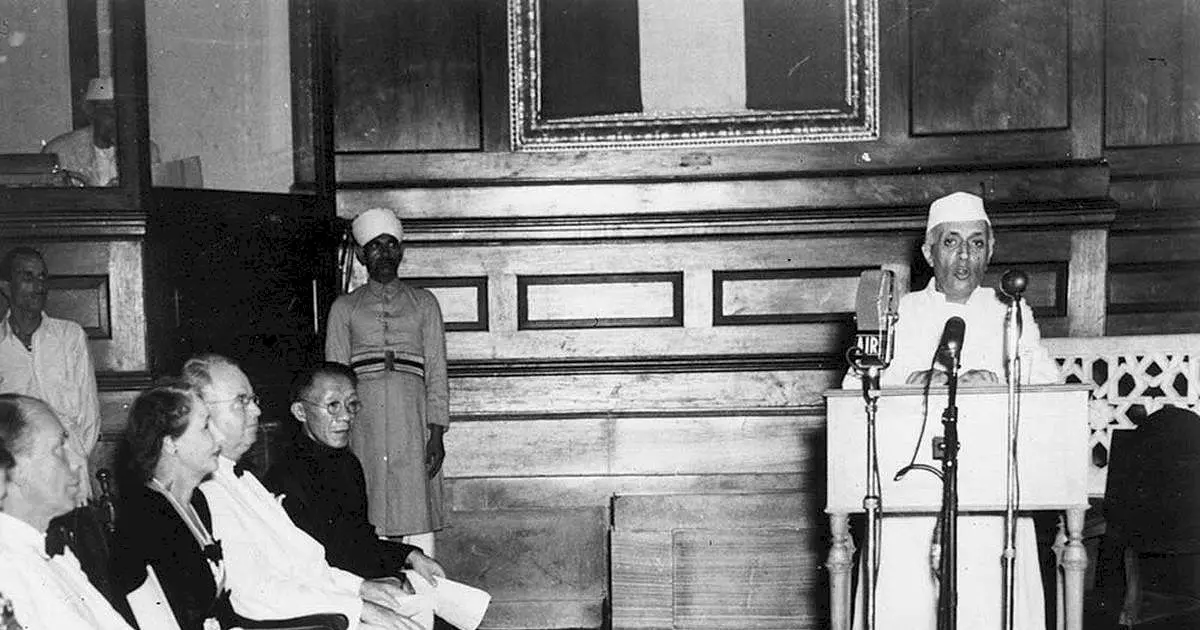
Astrologers warned rediff.com that August 15, 1947, was cursed by Saturn and Rahu. Lord Mountbatten had chosen that date for personal vanity, it marked his victory as supreme allied commander in 1945.…
The Story in Brief
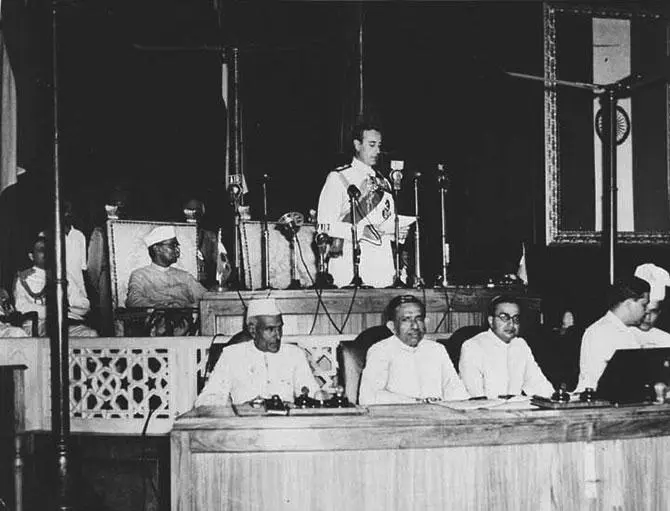
Astrologers warned rediff.com that August 15, 1947, was cursed by Saturn and Rahu. Lord Mountbatten had chosen that date for personal vanity, it marked his victory as supreme allied commander in 1945. Nehru compromised on midnight, which satisfied both the Gregorian calendar and Indian beliefs. On August 14 night, he delivered the 'Tryst with Destiny' speech. Hindustan Times reported the next morning's headline: 'Journey's end, Beginning of another.' Gandhi spent Independence Day in Calcutta working for peace, while the Red Fort flag-hoisting tradition began only on August 16.
The Indian Opinion
The midnight ceremony is often portrayed as a mystical moment, but it was a messy compromise between Mountbatten's vanity and astrological fears. The narrative of a glorious birth ignores the Partition horrors that same night. Gandhi's absence from Delhi and the Red Fort tradition starting a day later show that freedom was not a single cinematic moment. The real test: did the nation live up to Nehru's call to end poverty and inequality?
Sources (2): rediff.com, hindustantimes.com
This story was synthesised by AI from the 2 sources linked above.
Updated: this story now draws on 2 sources.