


















Now Reading: Workshop to launch human biomonitoring for India’s waste workers
-
01
Workshop to launch human biomonitoring for India’s waste workers



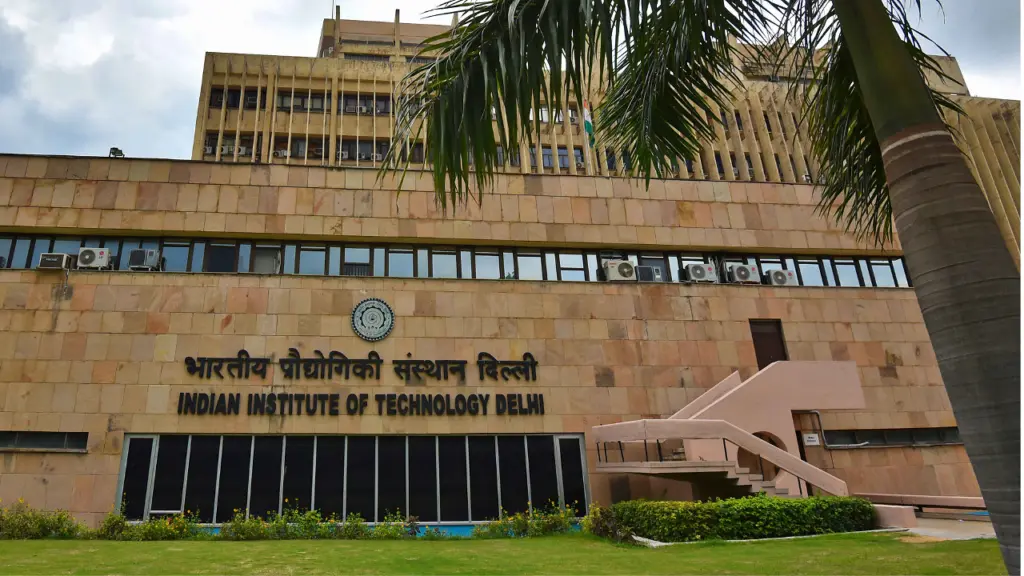
A one-day workshop co-hosted by University College Dublin, the Centre for Science and Environment, and IIT Delhi will place Human Biomonitoring (HBM) at the centre of discussions on chemical exposures in India's waste sector. Waste workers, who play a vital role in the country's waste management and recycling systems, are exposed to toxic elements and pollutants with limited protective equipment and minimal health monitoring.
The workshop brings together experience from Ireland's HBM4IE programme, Germany's national biomonitoring programme, and EU frameworks, alongside Indian expertise in policy and exposure science. Participants will map what a sector-specific HBM pilot in India could look like and the practical steps needed to advance it.
The event is open to policymakers, regulators, public health officials, researchers, and professionals working at the intersection of waste management, circular economy, and environmental health. The participants' inputs will feed directly into a joint policy brief and workshop report.
Indian Opinion Analysis
Human Biomonitoring measures chemicals and their metabolites in blood and urine, providing direct evidence of what people absorb from their work and environment. India currently lacks systematic HBM data for waste workers, though the National Centre for Disease Control under the Union Health Ministry has begun national biomonitoring efforts. The workshop aims to create a sector-specific pilot that could inform regulation and targeted occupational health policies. A key next step will be whether the pilot receives government backing and funding to scale beyond the research phase.
Source: cseindia.org
This story was synthesised by AI from the source linked above. Methodology and corrections.