











Now Reading: Railway noise exceeds limits; health impacts unclear
-
01
Railway noise exceeds limits; health impacts unclear


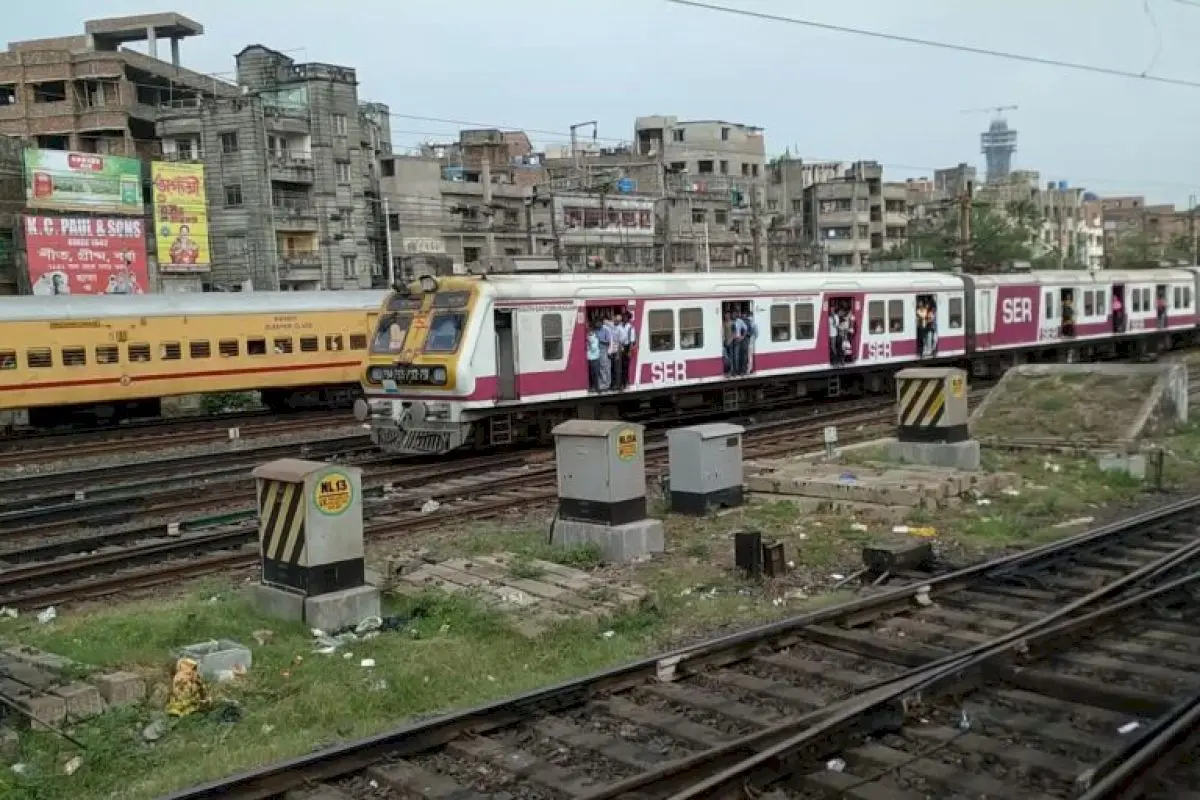
A 2024 study measured noise at 10 sites near Delhi railway stations and found levels exceeding Central Pollution Control Board limits. Residents reported sleep disturbance and other effects. A follow-up study in…
The Story in Brief
A 2024 study measured noise at 10 sites near Delhi railway stations and found levels exceeding Central Pollution Control Board limits. Residents reported sleep disturbance and other effects. A follow-up study in 2025 monitored 1,057 train pass-bys in 14 informal settlements in Delhi; noise exceeded residential limits at every site. Freight trains were loudest, and diesel locomotives were louder than electric ones. However, researchers say long-term epidemiological evidence linking railway-noise exposure to clinically measurable health outcomes in India remains limited. Experts also note that current monitoring methods overlook night-time disturbance, cumulative exposure and ground vibration, which together shape health impacts.
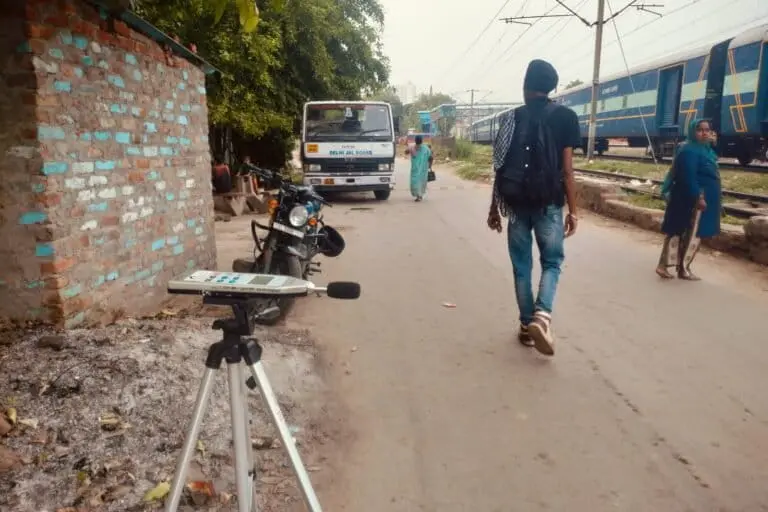
Rajeev Kumar Mishra of Delhi Technological University led both studies. Former chief scientist Mahavir Singh said India's monitoring framework should become more exposure-oriented and community-centric. Without long-term data, the true public-health burden of railway noise is poorly understood.
The Indian Opinion
The usual narratives push either that noise is a minor nuisance or that no action is justified without conclusive evidence. Both miss the point. Communities already report disrupted sleep and stress. The lack of epidemiological studies is a policy failure, not a reason for inaction. India can start with low-cost measures: set night-time noise limits for railways, require electric locomotives near settlements, and fund long-term health studies. The real test is whether the Railway Ministry will commission a comprehensive health survey along high-density corridors, or keep treating this as an engineering problem.
Source: india.mongabay.com
This story was synthesised by AI from the source linked above.