















Now Reading: Yen’s Four-Decade Low Tests Japan’s Monetary Policy Options
-
01
Yen’s Four-Decade Low Tests Japan’s Monetary Policy Options


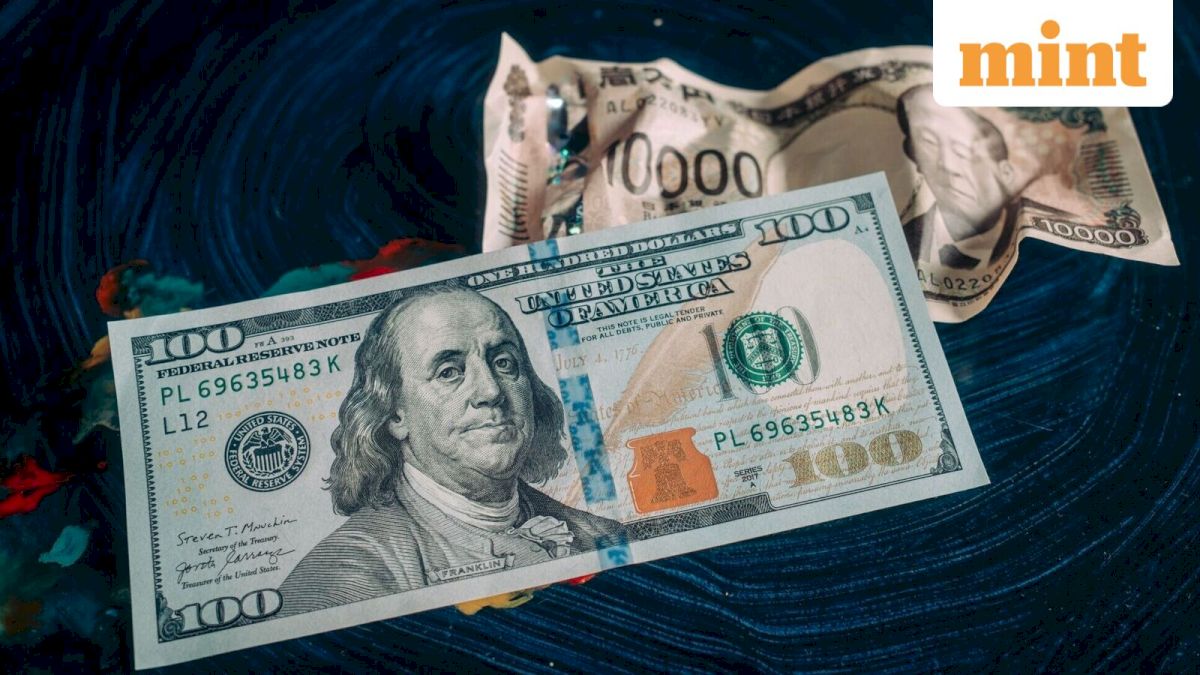
The yen fell below 160 per dollar, its weakest level in nearly four decades, as wide US-Japan interest-rate differences, costly energy imports and Japan’s heavy debt pressured the currency. Livemint reports that…
The Story in Brief
The yen fell below 160 per dollar, its weakest level in nearly four decades, as wide US-Japan interest-rate differences, costly energy imports and Japan’s heavy debt pressured the currency. Livemint reports that Japanese authorities have repeatedly intervened, with only temporary results. The Bank of Japan’s rate remains below US rates, encouraging investors to hold dollar assets and continue yen-funded carry trades.
A second Livemint report says the US joined Japan in buying yen and may intervene again. It attributes the move to concerns over Japan’s currency and the effect of Japanese Treasury sales on US borrowing costs. The reports differ on some timing and market details, but agree that intervention may offer only short-term relief while deeper economic pressures remain.
The Indian Opinion
An ordinary Indian reader may see the yen’s fall as a reminder that currency management cannot easily overcome differences in interest rates, trade costs and public debt. Claims that intervention will permanently rescue the currency appear too strong when earlier measures brought limited relief. The reports also contain complex and changing market details, so the longer-term outcome remains uncertain.
Sources (2): livemint.com, livemint.com (2)
This story was synthesised by AI from the 2 sources linked above.
Updated: this story now draws on 2 sources.