














Now Reading: Prashant Kishor ends BJP’s Bankipur run in three-seat bypoll shock
-
01
Prashant Kishor ends BJP’s Bankipur run in three-seat bypoll shock


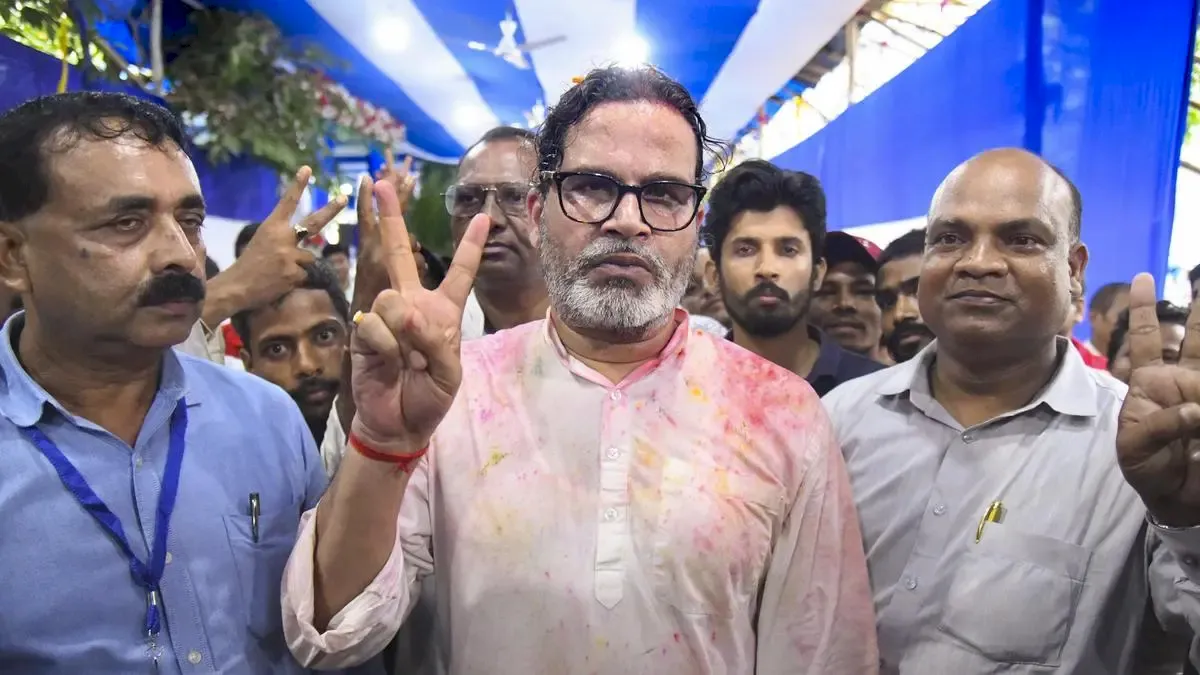
Prashant Kishor defeated the BJP’s Neeraj Kumar by 19,324 votes in Bankipur, ending the party’s decades-long hold over the Patna seat. The Jan Suraaj Party’s first major electoral win came months after…
The Story in Brief
Prashant Kishor defeated the BJP’s Neeraj Kumar by 19,324 votes in Bankipur, ending the party’s decades-long hold over the Patna seat. The Jan Suraaj Party’s first major electoral win came months after it drew just 3.34% in Bihar’s Assembly election. In Madhya Pradesh’s Datia, Congress candidate Ghanshyam Singh defeated BJP nominee Ashutosh Tiwari by just over 6,000 votes. The BJP retained Gujarat’s Manjalpur, where Satish Govindbhai Patel won by more than 30,000 votes.
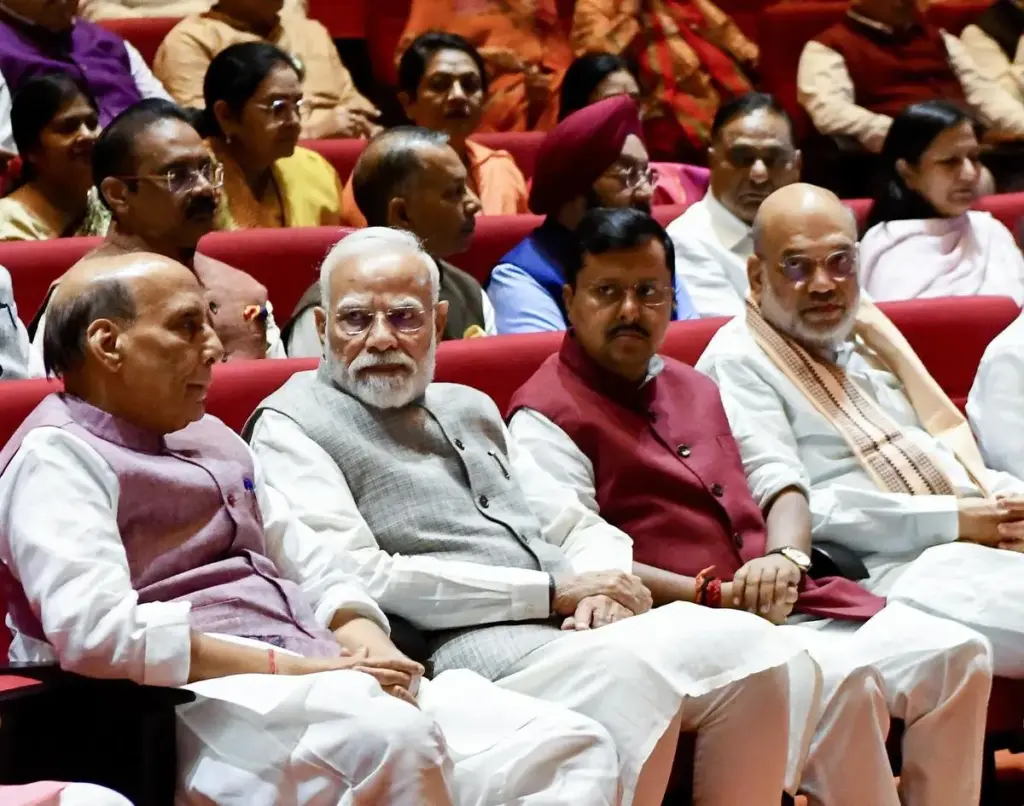
The Hindu reports that the BJP’s Bankipur vote share fell to 34.4%, from more than 60% in most earlier contests. Analysts point to student anger, local grievances, caste shifts and candidate factors, but caution against treating three bypolls as proof of a lasting national trend. The results do show that BJP dominance was not uniform, even in a stronghold. The Hindu says Bankipur’s electorate cut across traditional caste and community lines.
The Indian Opinion
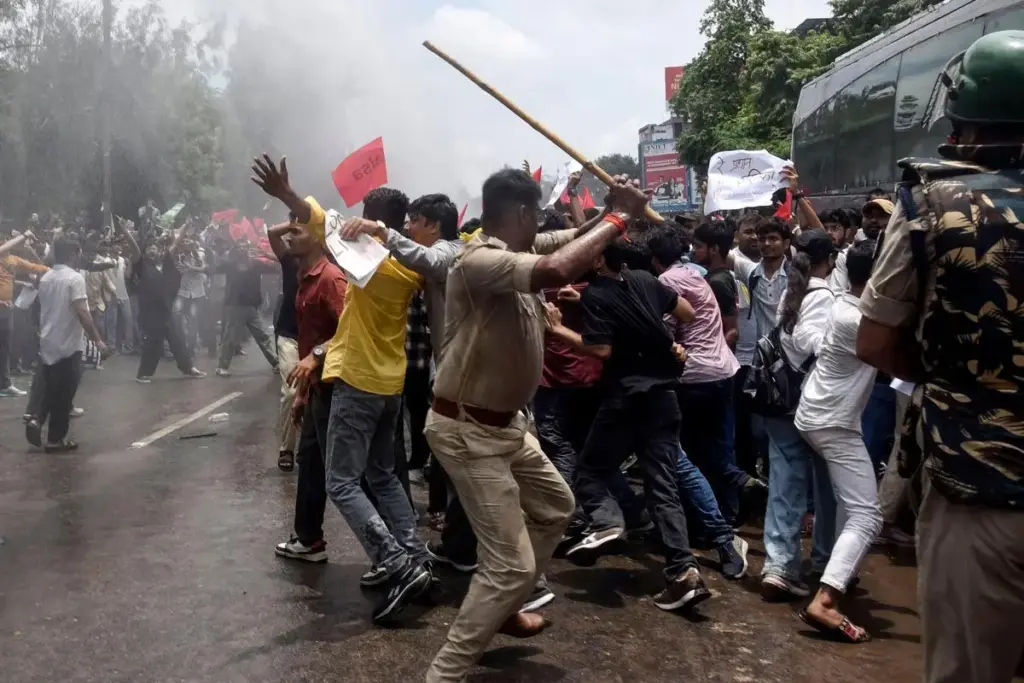
The loudest claims are that Gen Z alone delivered Kishor’s win, or that one defeat marks the collapse of the BJP. Both are lazy readings. Student anger may have mattered, but local caste equations, candidate choice and anti-incumbency also shaped the result. Nor should Manjalpur’s BJP victory be used to dismiss the other contests. The useful test is whether Jan Suraaj can repeat this performance beyond Bankipur and turn one breakthrough into a wider vote base.
Sources (4): frontline.thehindu.com, frontline.thehindu.com (2), thehindu.com, thehindu.com (2)
This story was synthesised by AI from the 4 sources linked above.
Updated: this story now draws on 4 sources.