







Now Reading: BJP backs UPI fee, NCP(SP) says it will hit consumers
-
01
BJP backs UPI fee, NCP(SP) says it will hit consumers


The RBI has backed the new 0.4% Merchant Discount Rate (MDR) on UPI payments above Rs 2,000 from October 15, calling it a step towards long-term sustainability. The BJP defended the charge,…
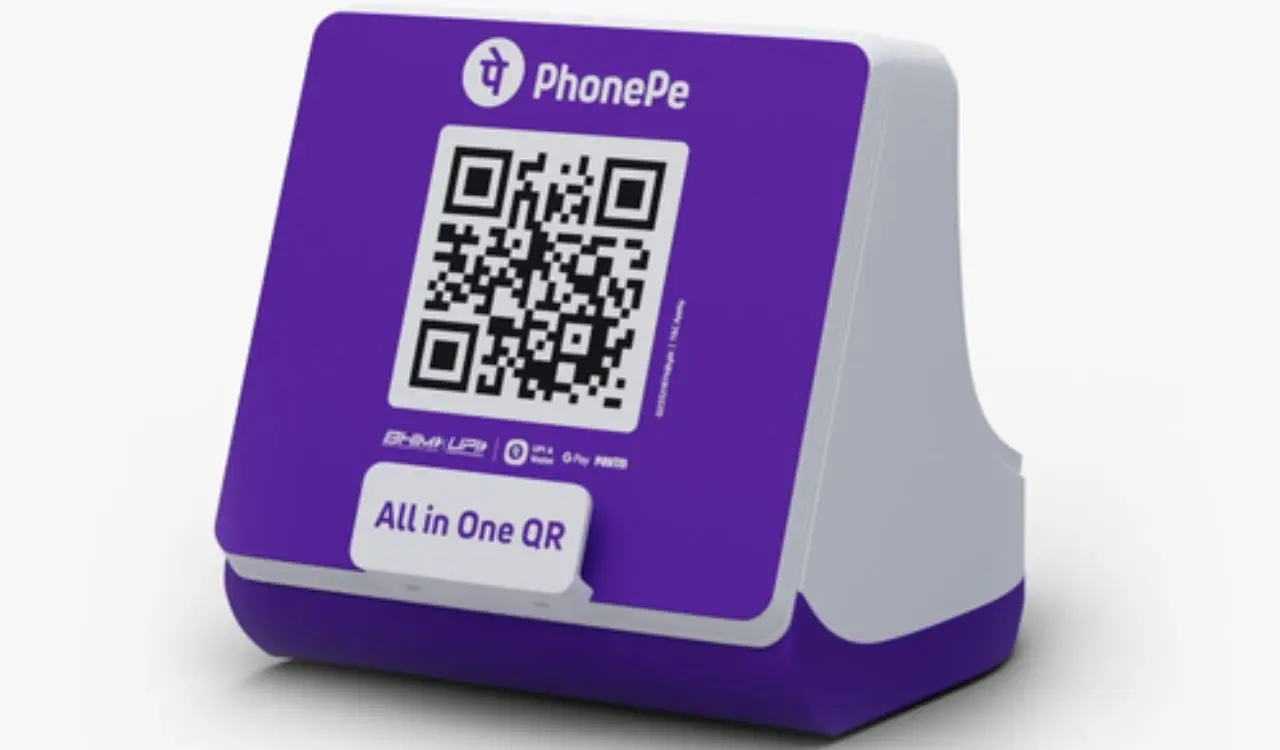
The RBI has backed the new 0.4% Merchant Discount Rate (MDR) on UPI payments above Rs 2,000 from October 15, calling it a step towards long-term sustainability. The BJP defended the charge, while the NCP(SP) criticised it as a burden that merchants will pass to consumers. The NPCI circular keeps person-to-person transfers and transactions up to Rs 2,000 free, covering 96% of merchant payments.
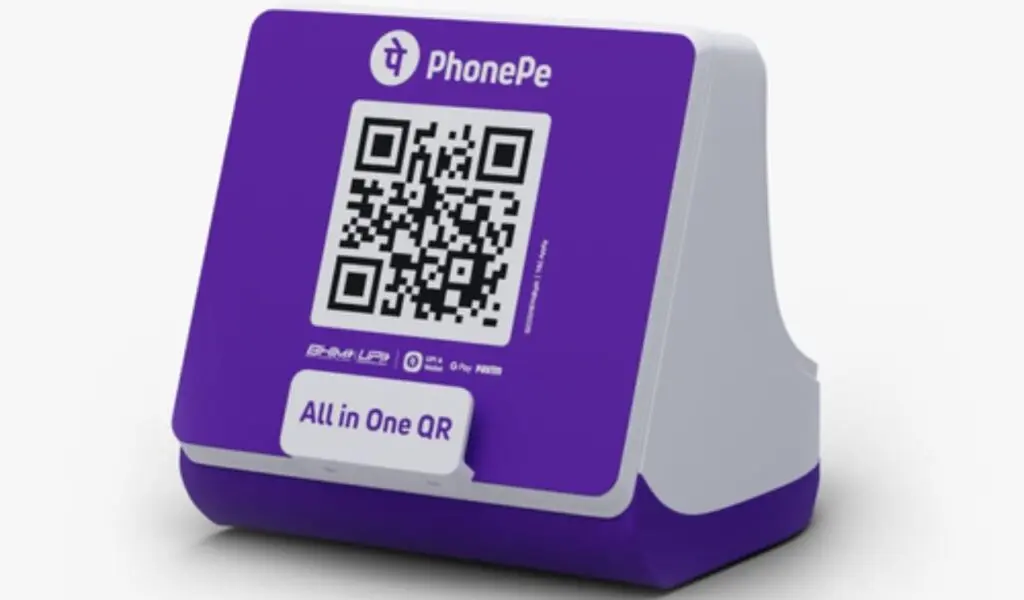
Small merchants earning up to Rs 1 lakh monthly through UPI QR codes remain exempt. The charge applies to large merchants and e-commerce platforms, capped at Rs 300 per transaction. Essential sectors like railways, telecom, and fuel attract a flat Rs 5 fee. NPCI said the MDR will fund infrastructure, cybersecurity, and a dedicated fund to expand digital payments among small merchants in Tier 3 to Tier 6 centres, with a detailed framework due within three months.
Indian Opinion Analysis
The RBI and the BJP frame the MDR as a sustainability measure for UPI, emphasising that 96% of merchant transactions remain free. NCP(SP) and social-media critics frame it as a hidden tax passed to consumers. BBC and Medianama provide granular detail on exemptions and caps, while Telangana Today reports political quotes in full. The balanced reading is that the fee is narrow in scope but structurally important: it shifts some cost from taxpayers to large merchants, while small merchants and all consumers are untouched. The NPCI will finalise the small-merchant fund framework within three months.
Coverage: 4 sources, 1 pro-government, 3 neutral
Sources (4): telanganatoday.com (neutral report), bbc.co.uk (neutral report), businesstoday.in (pro government), medianama.com (neutral report)
This brief was synthesised by AI from the 4 sources linked above, so one read covers every framing they carry.
Updated: this story now draws on 4 sources.