













Now Reading: No UPI charges for users, most merchants, says government
-
01
No UPI charges for users, most merchants, says government


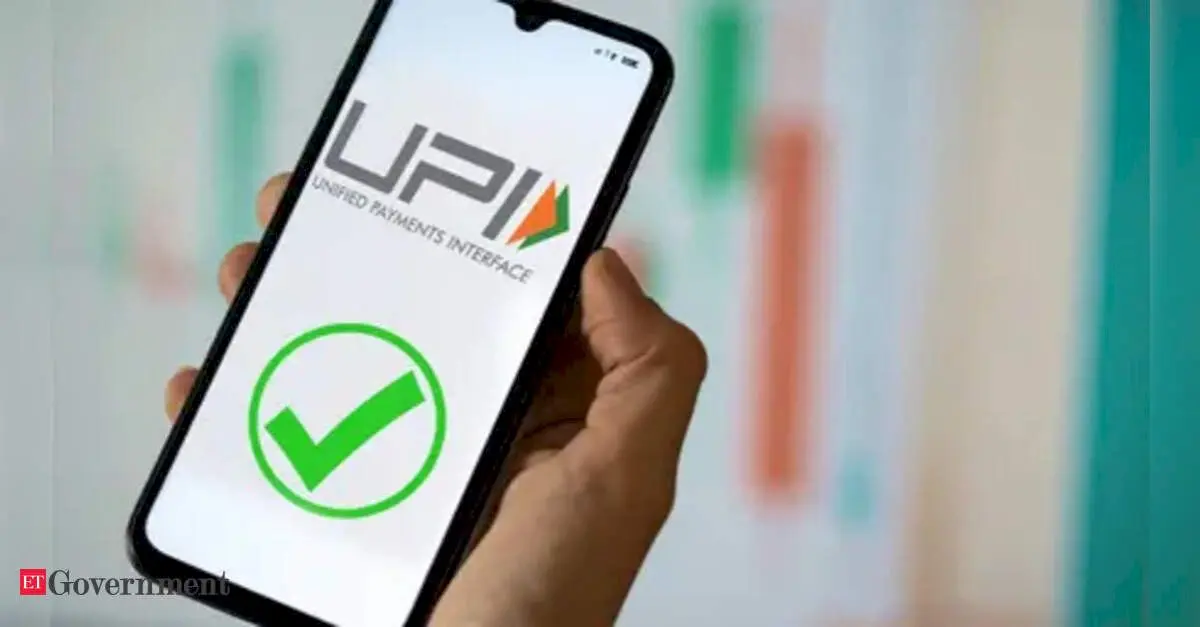
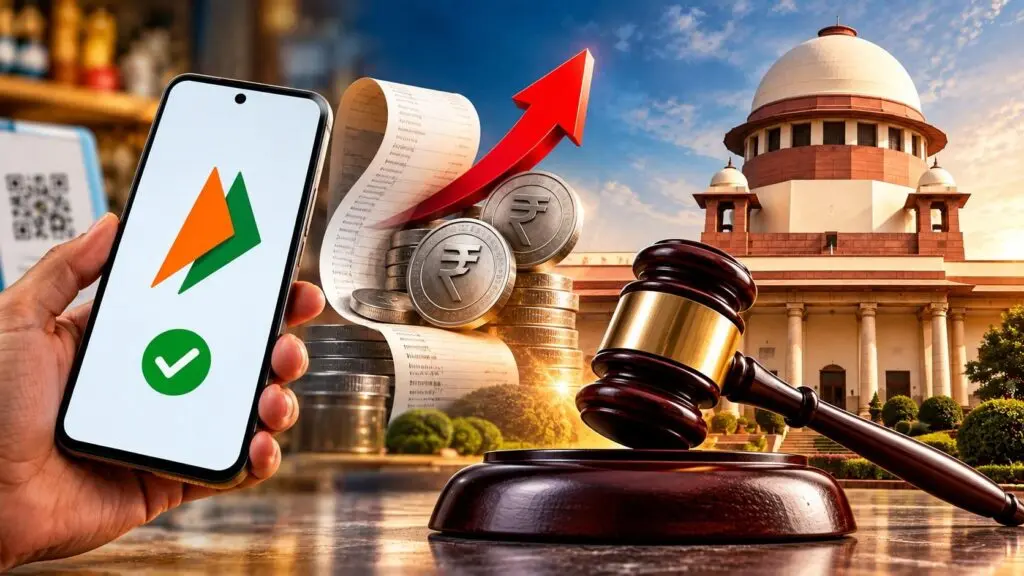
The government on Saturday clarified that UPI will remain free for all users and the vast majority of merchants. The statement came after the Lok Sabha passed a bill amending the Payment…
The Story in Brief
The government on Saturday clarified that UPI will remain free for all users and the vast majority of merchants. The statement came after the Lok Sabha passed a bill amending the Payment and Settlement Systems Act, 2007, sparking fears of transaction charges. The government said any future merchant discount rate (MDR) would apply only to merchant transactions above a specified threshold and at a nominal rate, lower than card MDRs. PhonePe CEO Sameer Nigam and Razorpay CEO Harshil Mathur also backed keeping UPI free for consumers. The NPCI-led steering committee will decide on any MDR if the bill becomes law.

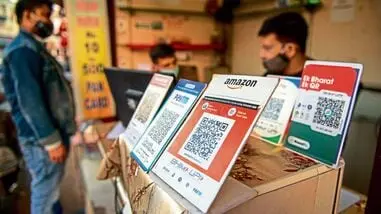
The Indian Opinion
The enabling amendment is being spun as a stealth tax by some, while others dismiss all concern as misinformation. The truth is more nuanced: the bill passed without debate, and the steering committee has not yet set any threshold. Citizens should watch the committee's first meeting and the actual threshold proposed. Will it be high enough to protect the small shopkeeper, or will it creep down over time?
Sources (3): government.economictimes.indiatimes.com, livemint.com, ndtvprofit.com
This story was synthesised by AI from the 3 sources linked above.
Updated: this story now draws on 3 sources.