











Now Reading: 7 things Indian first-time visitors to Canada should know
-
01
7 things Indian first-time visitors to Canada should know


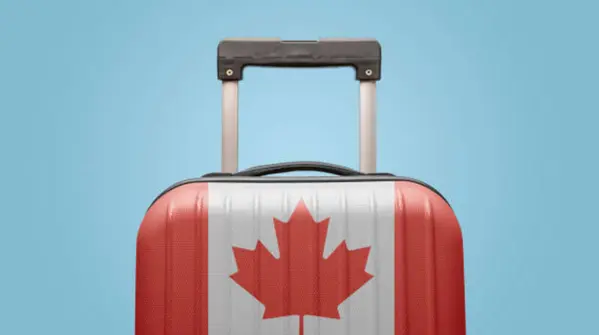
Indian passport holders need a visitor visa for Canada, which is different from an eTA. Travellers must carry valid documents and show sufficient funds and intent to return. Homemade food, spices, and…
Indian passport holders need a visitor visa for Canada, which is different from an eTA. Travellers must carry valid documents and show sufficient funds and intent to return. Homemade food, spices, and agricultural products must be declared at customs, as restricted items may be confiscated.
Canada's displayed prices do not include sales tax, which varies by province. A $100 item may cost more after GST, HST, or provincial tax. Cash of CAN$10,000 or more must be declared to border authorities. Credit and debit cards are widely accepted, but a small amount of local currency is useful.
The country is vast: Toronto, Vancouver, Calgary, and Montreal are separated by hours of travel. First-time visitors are advised to focus on one region per trip. Weather varies greatly by city and season, packing layers and checking forecasts for each destination is recommended.
Indian Opinion Analysis
India is among the largest sources of international students and temporary workers for Canada, so these practical tips address a recurring pain point for travellers who arrive without knowing customs or tax rules. The food declaration rule stems from Canada's strict biosecurity framework under the Canada Border Services Agency, which bars many plant and animal products even in small quantities. Indian travellers who fail to declare cash above CAN$10,000 risk seizure and a penalty, not just a fine. For first-time visitors, the real cost of a trip can be 13% higher than shelf prices in provinces such as Ontario, where HIT is 13%. The next step for anyone planning a trip is to check the official visa processing times on the Immigration, Refugees and Citizenship Canada website, which can stretch several weeks.
Source: timesofindia.indiatimes.com
This brief was synthesised by AI from the source linked above.