









Now Reading: 7 TISS students get bail over Saibaba event, 2 denied, 1 arrested
-
01
7 TISS students get bail over Saibaba event, 2 denied, 1 arrested



A Mumbai sessions court granted anticipatory bail to seven former Tata Institute of Social Sciences (TISS) students on Friday, nearly ten months after they sought it in a case over an unauthorised…
The Story in Brief
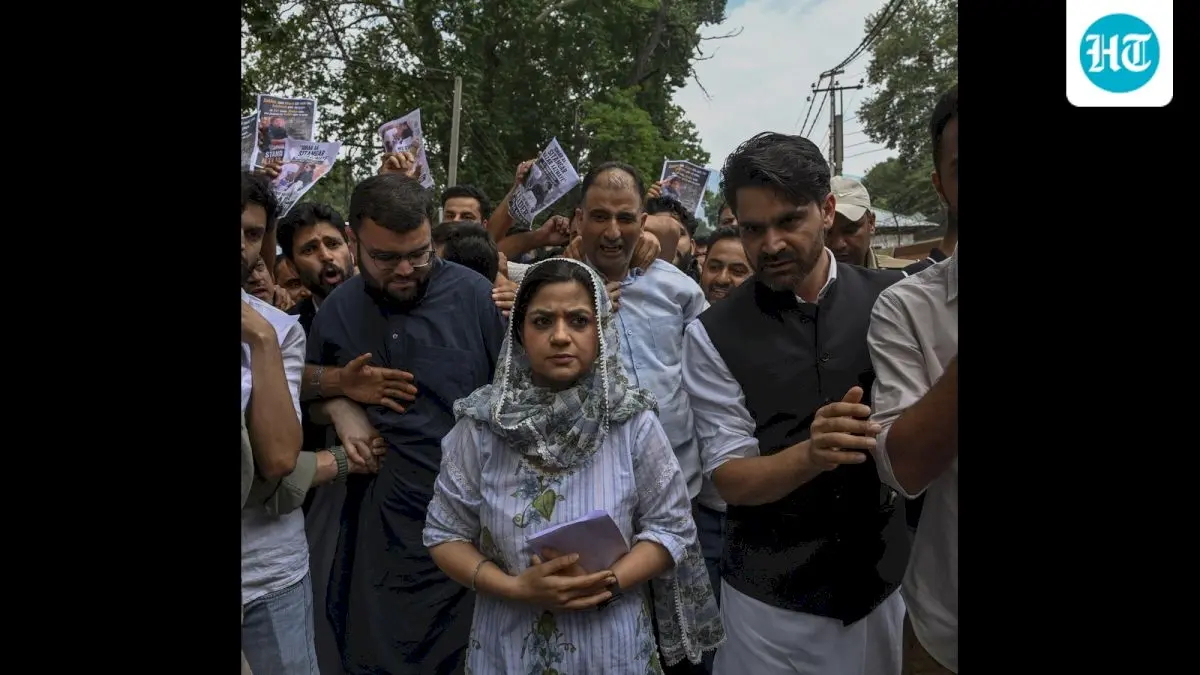
A Mumbai sessions court granted anticipatory bail to seven former Tata Institute of Social Sciences (TISS) students on Friday, nearly ten months after they sought it in a case over an unauthorised memorial for professor GN Saibaba. The court said paying homage to the acquitted activist was not illegal. However, it denied relief to Abhirup Paul and Kamakhya Das, citing material on their devices allegedly showing Maoist influence and non-cooperation. Hours later, Paul was arrested and sent to police custody till August 10. Das remains at large.

The case stems from an October 2025 event on campus without permission. The prosecution alleged students raised slogans for Umar Khalid and Sharjeel Imam. The judge noted the delay in deciding the bail pleas, blaming heavy case pendency. TISS postponed its convocation, originally scheduled for August 2, to August 22, citing unforeseen circumstances. The seven students granted bail include Nikita Monica D’Souza, Uttkarsh Khuntia, Yash Kaundilya, Avantika, Ishpreet Kaur, Hardika Bhagat and Satyam Yadav.

The Indian Opinion
The usual battle lines are drawn: some see a routine police case against unauthorised campus events, others a crackdown on dissent. The court’s rare admission that its own delay stemmed from heavy workloads is a quiet indictment of the system. But the specific allegations of Maoist material on two students’ devices need scrutiny, not slogans. The real test will be what custodial interrogation of Abhirup Paul reveals, and whether the postponed convocation is a coincidence or a signal.
Sources (2): hindustantimes.com, timesofindia.indiatimes.com
This story was synthesised by AI from the 2 sources linked above.
Updated: this story now draws on 2 sources.